


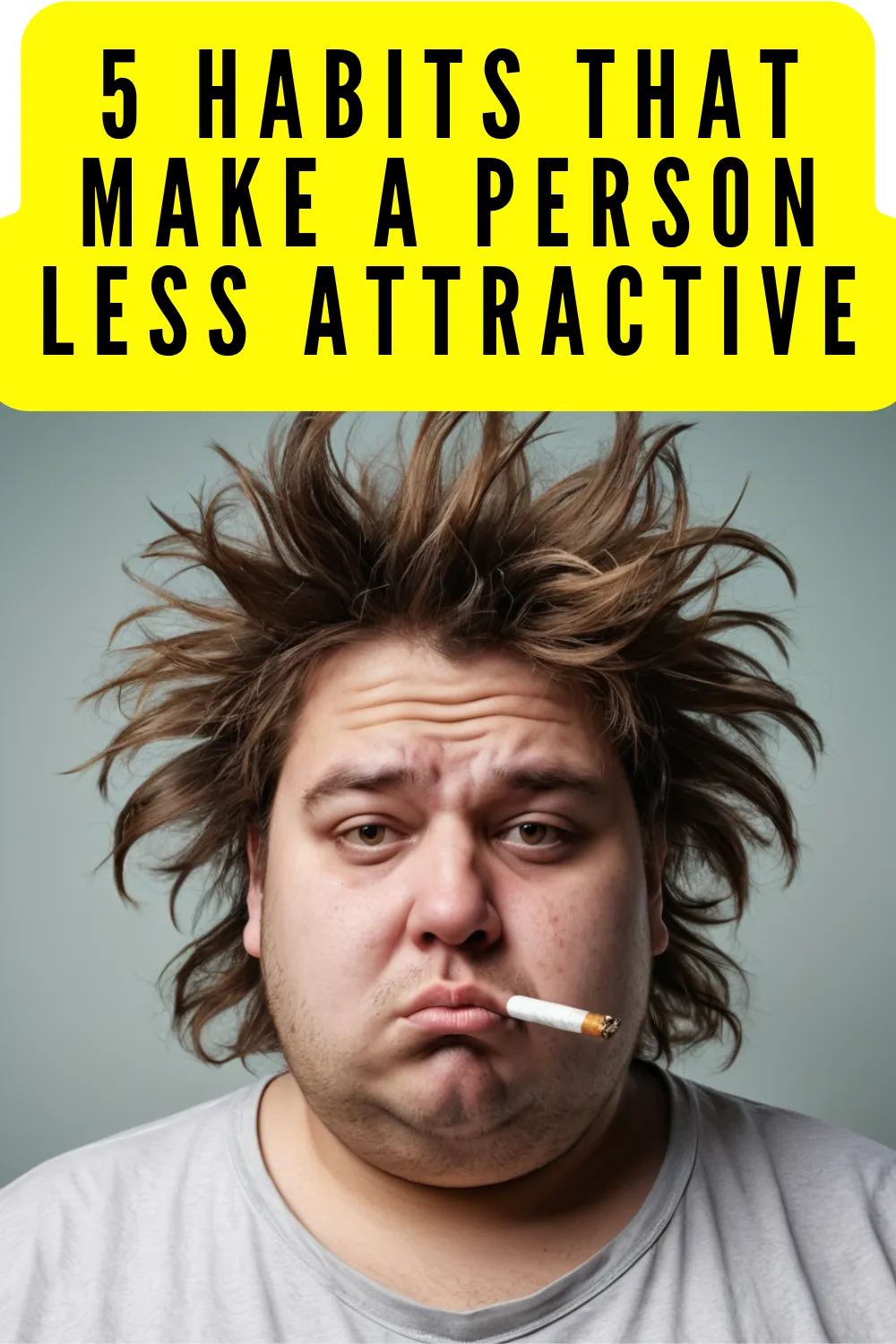
Maintaining attractiveness goes beyond physical appearance—it encompasses personality, social skills, and emotional health. While many factors contribute to charm, certain habits can significantly diminish how others perceive us. Backed by scientific research, here are five habits that science says can make a person less attractive and why avoiding them is essential.
1. Skipping Sleep: The Beauty Sleep Effect
Sleep deprivation doesn’t just harm your health; it impacts how others see you. A 2010 Swedish study published in The BMJ demonstrated that lack of sleep makes people appear less healthy, less happy, and consequently, less attractive.
In the study, 23 participants had their photos taken twice: once after a good night's sleep and once after staying awake all night. The results were striking—observers rated the sleep-deprived individuals as less appealing compared to their well-rested counterparts.
Key Takeaway:
Prioritize 7-9 hours of quality sleep each night. Rested individuals radiate health and positivity, making them naturally more attractive.
2. Negativity and Meanness: The Impact of Personality on Appearance
“Beauty is more than skin deep” holds true when it comes to personality. Research conducted by Chinese scientists found that negative personality traits, like cruelty, can make people seem less attractive.
The study divided 120 participants into groups that assessed facial expressions before and after being given personality information (positive, neutral, or negative). Faces associated with negative traits were consistently rated as less attractive, confirming the connection between goodness and perceived beauty.
Key Takeaway:
Cultivate kindness and empathy. A pleasant personality not only enriches relationships but also enhances how others perceive your physical appearance.
3. Chronic Stress: The Invisible Beauty Killer
Stress doesn't just weigh on your mind—it manifests in your appearance. A 2013 study from the UK’s National Academy of Sciences linked chronic stress to reduced facial attractiveness in men, partly due to hormonal imbalances and weakened immunity.
The research revealed that stress-induced changes, such as high cortisol levels and unhealthy body fat distribution, negatively influence how others perceive attractiveness. While these effects are most prominent in men, the findings suggest stress could also impact women's perceived beauty.
Key Takeaway:
Manage stress through regular exercise, mindfulness, or therapy. A calm demeanor not only benefits your health but also boosts your attractiveness.
4. Lacking a Sense of Humor: A Turnoff for Potential Partners
Humor is a universal trait of attraction. A 2009 study by the University of California confirmed that individuals with a good sense of humor were rated as more appealing than those who lacked it.
During the experiment, participants reviewed photos paired with descriptions. Profiles labeled as “funny” or “enjoyed jokes” consistently scored higher in attractiveness than neutral or humorless ones.
Key Takeaway:
Embrace humor in your life. Whether sharing a laugh or appreciating others’ wit, humor fosters social connections and enhances charm.
5. Dishonesty: The Dealbreaker
Integrity isn’t just a moral virtue—it’s an attractive quality. A study by the University of Illinois revealed that individuals perceived as dishonest were rated significantly less attractive.
Participants reviewed photos of people with accompanying descriptions of honesty or dishonesty. Those labeled as honest consistently received higher ratings, underscoring the importance of trustworthiness in attraction.
Key Takeaway:
Practice honesty in all interactions. Being truthful not only strengthens relationships but also positively influences how others perceive you.
Closing Thoughts
Attractiveness is a holistic concept influenced by physical, emotional, and social factors. By addressing these five habits, we can cultivate a more appealing presence—both inside and out.
To visualize how these habits interact, consider the diagram below:
By focusing on positive habits like adequate sleep, kindness, stress management, humor, and honesty, we can enhance not just our outward beauty but also the deeper connections we form with others.

Lamartine P is a health and wellness researcher focused on supplements, lifestyle, and evidence-based content. He analyzes products, studies market trends, and translates complex information into practical insights to help readers make informed decisions.