

Salal is a Pacific Northwest evergreen shrub valued for its dark berries, useful leaves, and long history in Indigenous food traditions. Its fruit provides vitamins, minerals, and plant compounds that may support a balanced diet, while its culinary uses make it easy to enjoy in simple recipes.
Native to the western coast of North America, this hardy plant grows from Alaska to California. You may find it in shaded woodland areas as well as sunny coastal places. Its story combines nutrition, traditional knowledge, cooking, and the need for careful conservation.

Discover How This Simple “Meal Plan” Change My Life
What Is Salal?
Salal, also known by its scientific name Gaultheria shallon, is an evergreen shrub in the Ericaceae family. This plant group includes about 4,250 known species across 124 genera. Salal usually reaches about 0.3 to 2 meters in height.
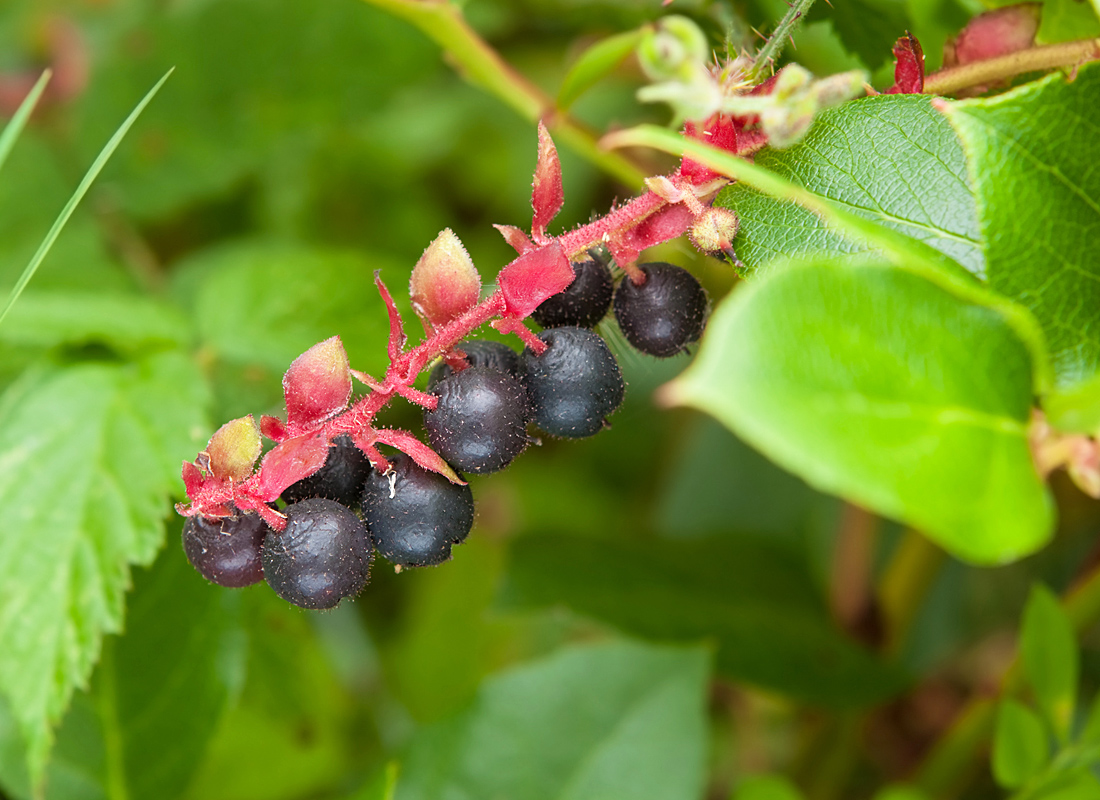
Its leathery leaves stay dark green throughout the year. In summer, small bell-shaped pink flowers appear. Later, the flowers develop into dark purple berries that ripen in late summer and fall. Therefore, the shrub offers both visual interest and edible parts.
- Native range: Western North America, from Alaska to California.
- Typical setting: Shaded forests and coastal bluffs.
- Edible part: Dark purple berries.
- Traditional use: Food, sweetener, flavoring, and leaf tea.
Why The Plant Matters Traditionally
Indigenous communities, including the Quinault and Bella Coola peoples, have respected Salal as both food and medicine. The berries could be eaten fresh or prepared as jams and jellies. They also added sweetness and flavor to other dishes.
Meanwhile, the leaves served as a source for tea. These long-standing uses show how local plants supported daily life before modern food systems became common.
Salal Nutrition At A Glance
The berries contain several nutrients that can add value to your eating pattern. The figures below describe 100 grams of raw berries. They offer useful context, although nutrition values can vary with growing conditions and preparation.
| Nutrient | Amount or Daily Value |
|---|---|
| Calories | 309 kcal |
| Protein | 2 grams |
| Vitamin C | 58% of the Daily Value |
| Vitamin K | 32% of the Daily Value |
| Vitamin E | 18% of the Daily Value |
| Manganese | 174% of the Daily Value |
| Copper | 25% of the Daily Value |
| Potassium | 23% of the Daily Value |
In practical terms, the fruit supplies plant-based nutrients rather than functioning as a cure or replacement for medical care. If you have a health condition or take medicine, discuss major diet changes with a qualified health professional.

Health Benefits Of Salal
The nutrition profile helps explain why these berries attract interest. Salal also contains plant compounds linked with several areas of wellness. However, you should view these benefits as part of a healthy lifestyle, not as guaranteed treatment for disease.
Antioxidant Support
Salal berries contain antioxidants, including anthocyanins. Antioxidants help protect cells from damage caused by free radicals, which are unstable molecules formed during normal body processes and environmental exposure.
Because oxidative stress is associated with several health concerns, a diet rich in colorful fruits may support long-term wellness. Therefore, Salal can complement other berry, fruit, and vegetable choices.
Immune System Support
The berries provide vitamin C, a nutrient involved in normal immune function. Vitamin C also supports the body’s production and activity of white blood cells, which help defend against unwanted organisms.
That does not mean Salal can prevent every cold or flu. Still, including vitamin C foods in a varied diet may help you meet your daily nutrient needs.
Eye Health
Salal is also associated with vitamin A, a nutrient important for normal vision. Vitamin A supports the surface of the eye and helps the eyes adjust in low-light conditions.
It may also play a role in maintaining healthy vision as you age. For more detailed information about this nutrient, see vitamin A.
Heart And Fluid Balance
Potassium helps the body manage fluid balance and supports normal muscle and nerve function. It also plays a role in maintaining healthy blood pressure when included in an overall balanced diet.
Consequently, potassium-rich foods may support cardiovascular wellness. However, people with kidney disease or certain medical conditions may need to limit potassium, so professional advice matters.
Bone Strength
Vitamin K contributes to normal blood clotting and bone metabolism. Bone metabolism describes the ongoing process through which the body builds, maintains, and reshapes bone tissue.
Salal berries can therefore contribute to a nutrient-rich diet that supports bone health. Yet strong bones also depend on many factors, including overall nutrition, movement, age, and medical history.
Simple Ways To Use Salal
You can use the berries and leaves in several familiar foods. These ideas make the plant approachable, whether you prefer a spread, drink, topping, or dessert.
- Berry jam: Cook the berries with sugar and lemon juice for a rich spread.
- Leaf tea: Steep the leaves in hot water to create an aromatic herbal drink.
- Berry syrup: Drizzle it over pancakes or include it in cocktails.
- Berry tart: Bake the fruit into a tart or pie for a sweet dessert.
Use only plant material that you can identify with certainty and that comes from a safe, suitable source. Furthermore, wash edible berries before use and follow reliable food-handling practices.
Protecting Salal In The Wild
Enjoying Salal also means protecting the places where it grows. Urban development and habitat loss have caused a sharp decline in some local populations. As a result, careless harvesting can place extra pressure on wild plants.
- Harvest responsibly and avoid damaging the shrub.
- Leave enough berries and leaves for natural growth and wildlife.
- Follow local rules for gathering plants on public or protected land.
- Choose cultivated sources when possible.
Conservation supports future access to this useful native plant. In addition, it respects the communities that have valued Salal as food, tea, and traditional medicine for generations.
Frequently Asked Questions About Salal
What Is Salal Used For?
Salal berries can be eaten fresh or made into jam, jelly, syrup, tarts, and pies. The leaves can also be steeped as tea. Traditionally, the berries served as food, sweetener, and flavoring.
Where Does Salal Grow?
Salal grows along the western coast of North America, from Alaska to California. It can thrive in shaded forests and in sunny coastal areas.
What Nutrients Are In Salal Berries?
The listed nutrition data for 100 grams of raw berries includes vitamin C, vitamin K, vitamin E, manganese, copper, potassium, protein, and 309 calories.
Can Salal Replace Medical Treatment?
No. Salal may add nutrients and variety to your diet, but it should not replace prescribed treatment or professional medical advice. People with health conditions should ask a qualified clinician before making major dietary changes.
Why Should Salal Be Conserved?
Habitat destruction and urban growth have reduced Salal in some areas. Responsible harvesting helps protect wild populations and keeps this valuable native plant available for future generations.

Lamartine P is a health and wellness researcher focused on supplements, lifestyle, and evidence-based content. Enthusiastic researcher and content creator specializing in evidence-based supplement reviews. With over 4 years of experience analyzing dietary supplements. He analyzes products, studies market trends, and translates complex information into practical insights to help readers make informed decisions.
Affiliate disclosure: This review may contain affiliate links. If you purchase a product through one of these links, we may receive a commission at no additional cost to you. This does not affect the price you pay or the standards we use when reviewing products.
Medical disclaimer: The products discussed on this website are dietary supplements and are not intended to diagnose, treat, cure, or prevent any disease. These products are not substitutes for professional medical advice or prescribed treatments. Always consult a qualified healthcare professional before starting any new supplement, especially if you have a medical condition, are pregnant or breastfeeding, or take prescription medications.