

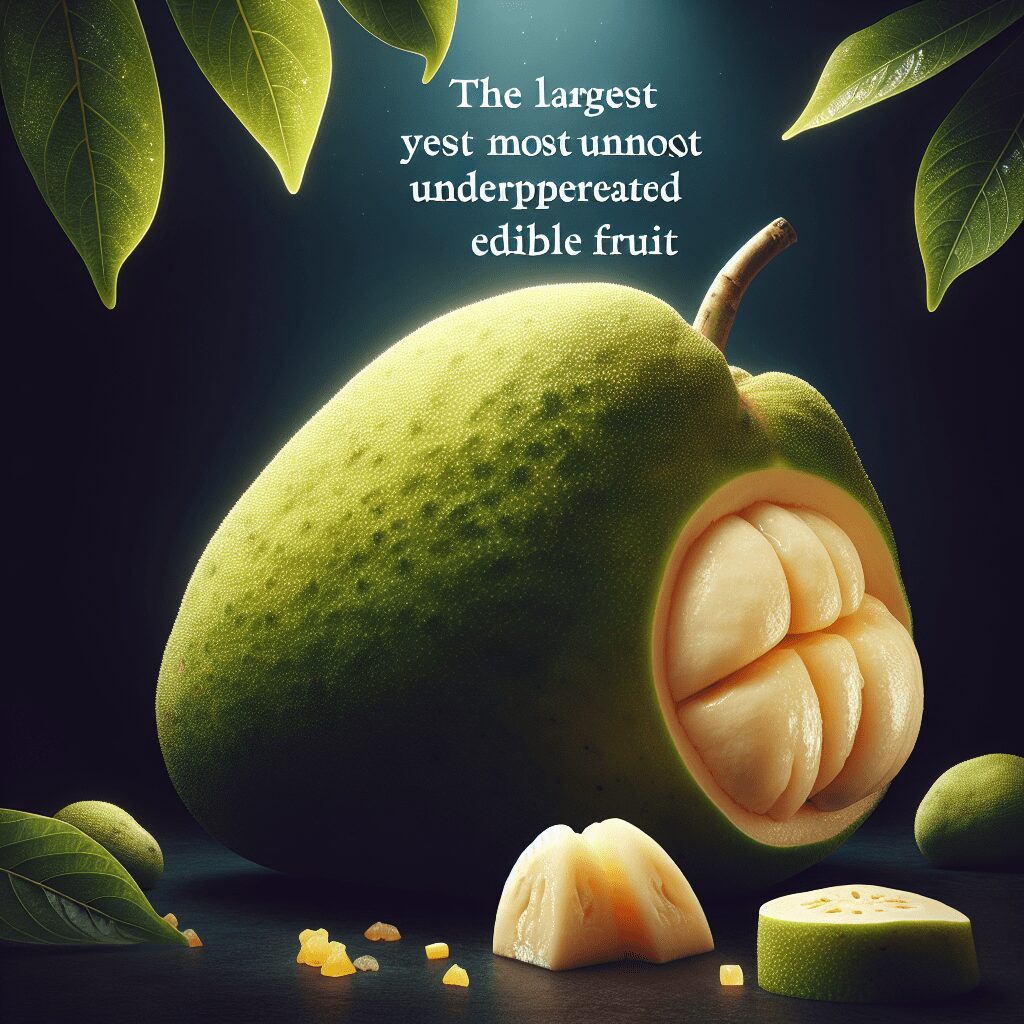
Pawpaws are one of North America’s most unusual native fruits, yet many shoppers have never tasted one. Also called the “Appalachian Banana” and “Poor Man’s Banana,” this large fruit grows across the eastern United States and Midwest, reaching from southern Canada to Florida. It appears in 26 states and may grow near familiar trails, streams, or wooded areas without drawing much attention.
What makes pawpaws especially notable is their size. A single fruit can be about as large as a big potato and may weigh more than a pound. That gives the pawpaw an important distinction: it is the largest edible fruit native to North America. Its short harvest window and delicate nature make it rare in regular grocery stores, but that scarcity also adds to its appeal.
Why Pawpaws Stand Out Among Native Fruits
Pawpaws belong to the custard apple family, a group that also includes tropical fruits such as soursop and cherimoya. Their soft flesh has a flavor often compared with banana, papaya, and mango. However, the texture remains distinctly creamy, almost like a thick custard.
That combination can surprise you if you expect an apple-like bite. The fruit is better known for its smooth, rich pulp than for a crisp texture. Therefore, tasting a ripe pawpaw on its own offers the clearest way to understand its unusual character.
| Feature | What You Can Expect |
|---|---|
| Common names | Appalachian Banana and Poor Man’s Banana |
| Native range | Eastern and Midwestern United States, from southern Canada to Florida |
| Typical size | About the size of a large potato |
| Weight | Some fruits can weigh more than one pound |
| Texture | Soft, creamy, and custard-like |
| Flavor comparisons | Banana, papaya, and mango |
A Fruit Worth Eating Fresh
Fresh pawpaw is best approached simply. Cut into the fruit and taste the pulp by itself before adding it to another dish. This lets you notice the blend of tropical fruit notes and its soft, custard-like body.
When you have more fruit than you can eat fresh, the pulp can also support several familiar desserts. Pawpaws work well in ice cream, sorbet, and pudding. Furthermore, these dishes make good use of the fruit’s creamy texture instead of trying to hide it.
The History Behind Pawpaws
Pawpaws have a long place in North American food history. Before industrial agriculture became common, people often relied on foods gathered from the wild. The fruit formed part of that seasonal food supply, especially in regions where pawpaw trees grew naturally.
Native Americans included pawpaws in their diets. Later, the fruit appeared in the story of Lewis and Clark. During their 1806 expedition, the explorers ate pawpaws when their other food supplies became limited. Thomas Jefferson also valued the fruit and grew pawpaw trees at his estate.
These details show why the pawpaw is more than a botanical curiosity. It connects native plant life, regional food traditions, and early American history. Even today, its strongest presence remains in the areas where it has long grown naturally.
- Native food: Indigenous communities used pawpaws as part of their diets.
- Expedition food: Lewis and Clark ate them during their 1806 journey.
- Estate gardening: Thomas Jefferson cultivated pawpaw trees.
- Modern interest: Small orchards and foragers continue to keep the fruit in circulation.
Where To Find Pawpaws
Pawpaws are difficult to find in ordinary supermarkets because they spoil quickly after harvest. At room temperature, fresh fruit generally lasts only about three to five days. As a result, stores face a narrow window for selling them.
Unlike many better-known North American fruits, pawpaws are not widely grown through commercial farming. Most fruit is hand-harvested or gathered from the wild. Although growers are working to expand production, only a small number of orchards currently produce pawpaws.
Best Places To Shop
Your strongest chance of finding fresh pawpaws comes during the local harvest season, which runs from August through October. Therefore, timing matters as much as location. Check sellers in the Midwest and Eastern United States when the season begins.
- Farmers’ markets
- Produce co-ops
- Specialty grocery stores
- Small local orchards
- Online produce vendors selling fresh or frozen pawpaw pulp
Online sellers can offer access when local markets have none. However, fresh or frozen pulp may cost more because quick shipping is often needed. The short shelf life makes speed important from harvest to delivery.
Foraging And Growing Options
If you live where pawpaw trees grow naturally, you may find fruit during a hike in the right season. Still, responsible foraging requires care. You should identify the plant correctly and follow local rules before gathering anything in the wild.
Another option involves growing your own tree. Seeds and young pawpaw plants are available online for people who have enough space and are willing to wait. This choice requires patience, but it can provide a more reliable way to enjoy the fruit in future seasons.
| Finding Method | Main Consideration |
|---|---|
| Farmers’ market | Best during the August-to-October season |
| Specialty store | More likely in the Midwest and Eastern United States |
| Online vendor | May offer fresh or frozen pulp, often at a higher price |
| Foraging | Possible in areas where pawpaws grow wild |
| Home growing | Requires space, seeds or plants, and patience |
Frequently Asked Questions About Pawpaws
What are pawpaws?
Pawpaws are native North American fruits also known as Appalachian Bananas or Poor Man’s Bananas. They grow across the East Coast and Midwest, from southern Canada to Florida.
Are pawpaws the largest edible fruit in North America?
Yes. Pawpaws hold the distinction of being the largest edible fruit native to North America. They can reach the size of a large potato and may weigh more than one pound.
What do pawpaws taste like?
The flavor resembles a blend of banana, papaya, and mango. Their flesh has a smooth, rich texture similar to custard. Therefore, the fruit tastes both tropical and creamy.
Why are pawpaws hard to find in stores?
Fresh pawpaws last only about three to five days at room temperature. They also are not widely produced by commercial farms. Consequently, farmers’ markets, co-ops, specialty shops, and small orchards offer better chances.
When is pawpaw season?
Pawpaw season generally runs from August through October. During that period, check local markets in the Midwest and Eastern United States before searching farther away.
How can you use extra pawpaws?
You can eat the fruit fresh or use its pulp in ice cream, sorbet, and pudding. These recipes suit the pawpaw’s soft texture and distinctive fruit flavor.

Lamartine P is a health and wellness researcher focused on supplements, lifestyle, and evidence-based content. Enthusiastic researcher and content creator specializing in evidence-based supplement reviews. With over 4 years of experience analyzing dietary supplements. He analyzes products, studies market trends, and translates complex information into practical insights to help readers make informed decisions.
Affiliate disclosure: This review may contain affiliate links. If you purchase a product through one of these links, we may receive a commission at no additional cost to you. This does not affect the price you pay or the standards we use when reviewing products.
Medical disclaimer: The products discussed on this website are dietary supplements and are not intended to diagnose, treat, cure, or prevent any disease. These products are not substitutes for professional medical advice or prescribed treatments. Always consult a qualified healthcare professional before starting any new supplement, especially if you have a medical condition, are pregnant or breastfeeding, or take prescription medications.