


The Big Mac is more than a familiar fast-food meal. Since its launch in 1967, it has become a sign of changing food habits, business growth, and global culture. Its story shows how one menu item can influence diets, farming, supply chains, work, and public debate.
When you look beyond the bun, beef, sauce, and layered design, the Big Mac offers a useful view of modern food systems. It connects speed and convenience with larger questions about health, sustainability, cultural change, and corporate responsibility.
The Big Mac And Global Food Culture
The Big Mac reflects the worldwide reach of fast food. From busy American streets to distant markets, McDonald’s has helped make quick-service meals part of daily life. Furthermore, the burger shows how a common product can take on new meaning in different places.
Its special sauce and familiar format combine comfort with convenience. However, local markets may adapt fast-food products to match regional preferences. These changes show that global brands do not simply export one fixed food culture. Instead, they often blend a standard identity with local tastes.
| Area of influence | What the Big Mac represents |
|---|---|
| Culture | The spread of American-style fast food |
| Convenience | A quick meal built for modern routines |
| Local identity | Regional changes shaped by customer taste |
| Business | The reach of a large international franchise |
A Product With A Long History
McDonald’s began as a small burger business in 1937. The company later expanded through franchising, a business model that allows separate operators to run locations under the same brand. The Big Mac arrived in 1967 and became a major part of that growth.
Its consistent design and recognizable taste helped create a shared fast-food experience. Therefore, customers in different locations could expect a similar meal, even when the surrounding culture, language, and dining habits differed.
- 1937: McDonald’s began as a modest burger business.
- 1967: The Big Mac entered the menu.
- Following decades: The brand expanded across many parts of the world.
The Big Mac And The Modern Food Economy
The Big Mac also illustrates how consumer demand can shape a large food economy. Billions of burgers sold worldwide require organized farming, transport, food preparation, retail work, and distribution. Each stage supports the meal you see at the counter.
Fast food depends on supply-chain logistics. This term describes the planning needed to move ingredients and products from suppliers to restaurants. As demand grows, businesses need reliable systems that can handle high sales volume while maintaining consistent quality.
Where The Economic Effects Appear
- Agriculture: Large food demand can influence farming practices and production levels.
- Transportation: Ingredients must move through an organized supply network.
- Employment: Restaurants and suppliers create jobs across several parts of the system.
- Retail: High-volume sales support a broad network of restaurants and franchise operations.
These benefits also raise important questions. For example, people may ask whether large-scale production can support sustainable farming and ethical sourcing. Ethical sourcing means paying attention to how food is produced, who supplies it, and how workers and resources are treated.
The Big Mac Health And Environmental Debate
The Big Mac sits within a wider discussion about health and eating patterns. Critics connect the broad availability of fast food with concerns such as obesity and heart disease. These conditions have many causes, so one meal cannot explain them alone. Nevertheless, frequent reliance on rich, highly convenient meals can form part of a wider diet pattern.
Portion choices, meal frequency, activity, and overall food variety all matter. However, people have different health needs. If you manage a medical condition or follow a special diet, a registered dietitian or qualified health professional can offer advice suited to you.
Why The Debate Is Still Changing
Fast-food companies face growing pressure to respond to customer interest in health and environmental care. As a result, the industry has explored healthier menu choices, plant-based alternatives, and more eco-friendly packaging.
| Concern | Area of change |
|---|---|
| Health-conscious eating | Interest in menu choices that support different eating goals |
| Environmental pressure | Attention to packaging and resource use |
| Customer expectations | Demand for greater choice and clearer responsibility |
| Corporate responsibility | Pressure to balance convenience with wider social effects |
Therefore, the Big Mac can be viewed as a case study rather than only a menu item. It helps show the tension between convenience, enjoyment, public health, and responsible business practices.
The Big Mac And Future Fast-Food Trends
The Big Mac continues to reflect changes in the food industry. Consumer preferences are moving toward greater attention to sustainability and health. In response, fast-food brands are testing new products, updated packaging, and different ways to serve familiar meals.
Plant-based alternatives may give customers more choice, while eco-friendly packaging may help reduce some environmental pressures. These developments do not remove every concern. Still, they show how the industry can adapt when expectations change.
What Adaptation May Mean For Customers
- More menu variety for different food preferences.
- Greater attention to packaging materials.
- Continued focus on fast service and familiar products.
- More public discussion about sourcing and sustainability.
The future of fast food will likely depend on how well companies balance speed, taste, price, health, and environmental care. In that sense, the Big Mac’s evolution mirrors the wider direction of global dining.
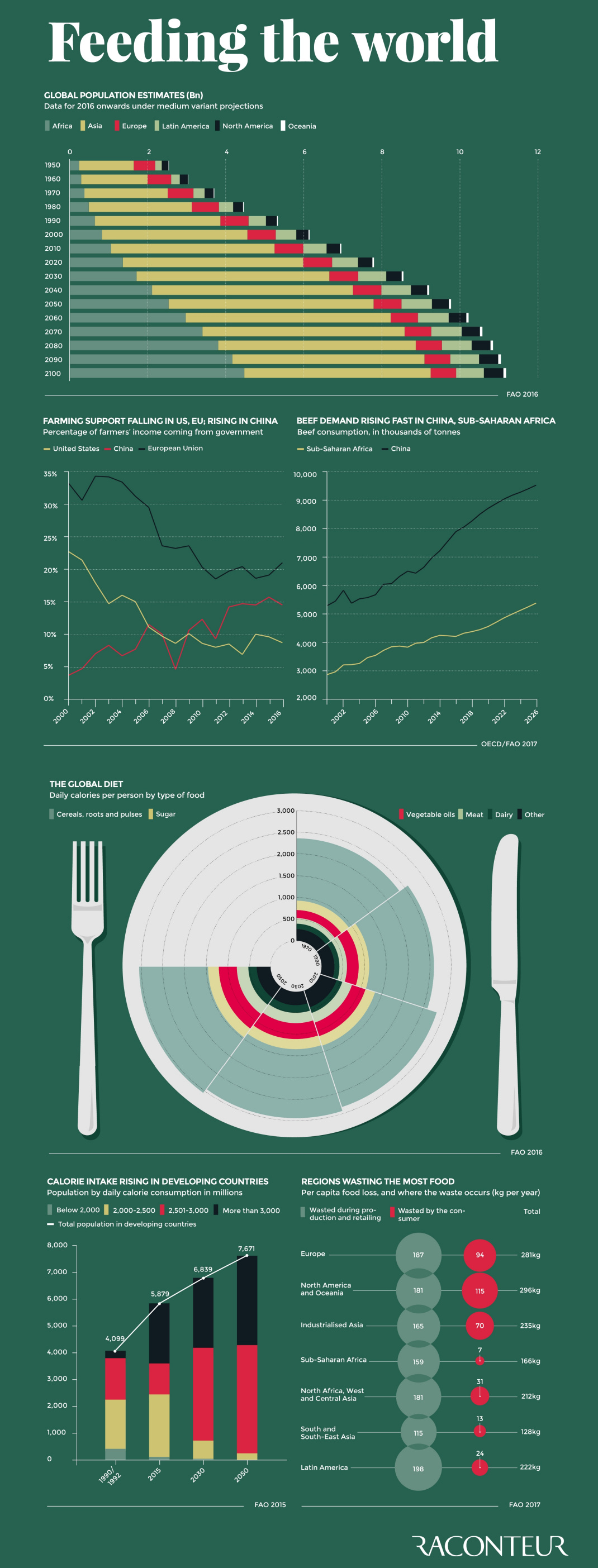
Source: https://www.visualcapitalist.com
What The Big Mac Reveals About Global Diets
The Big Mac remains a clear example of how food can carry cultural, economic, and social meaning. Its history links a 1960s menu launch with today’s conversations about global diets, responsible sourcing, health, and sustainability.
That wider view can help you make more informed choices. You can enjoy convenience while also considering how often fast food fits into your routine, how much variety your diet includes, and which values matter to you as a customer.
Frequently Asked Questions About The Big Mac
When Was The Big Mac Introduced?
The Big Mac was introduced in 1967. Its consistent taste and design helped it become one of McDonald’s best-known products and a symbol of fast-food expansion.
Why Is The Big Mac Culturally Important?
The burger represents the spread of American-style fast food around the world. At the same time, local adaptations show how international brands can respond to regional tastes.
How Does It Affect The Economy?
High demand influences farming, supply-chain planning, transportation, restaurant work, and franchise operations. Therefore, its impact reaches well beyond the restaurant counter.
Is Fast Food Part Of The Health Debate?
Yes. Critics discuss links between widespread fast-food access and concerns such as obesity and heart disease. However, health outcomes depend on broader eating patterns and individual circumstances.
How Is Fast Food Adapting?
Companies are responding to changing preferences through healthier choices, plant-based alternatives, and eco-friendly packaging. These efforts reflect growing interest in health and sustainability.

Lamartine P is a health and wellness researcher focused on supplements, lifestyle, and evidence-based content. Enthusiastic researcher and content creator specializing in evidence-based supplement reviews. With over 4 years of experience analyzing dietary supplements. He analyzes products, studies market trends, and translates complex information into practical insights to help readers make informed decisions.
Affiliate disclosure: This review may contain affiliate links. If you purchase a product through one of these links, we may receive a commission at no additional cost to you. This does not affect the price you pay or the standards we use when reviewing products.
Medical disclaimer: The products discussed on this website are dietary supplements and are not intended to diagnose, treat, cure, or prevent any disease. These products are not substitutes for professional medical advice or prescribed treatments. Always consult a qualified healthcare professional before starting any new supplement, especially if you have a medical condition, are pregnant or breastfeeding, or take prescription medications.