


A Guide to Healthier Living with Nature's Bounty
Imagine a lifestyle where you can nurture your body with wholesome, delicious foods straight from the earth-without the worry of gluten-related discomfort. Whether you're tending to a vegetable garden or simply seeking better health, embracing a gluten free diet could be your path to vitality. In this guide, we'll dig deep into what a gluten free lifestyle means, why it matters, and how it can bloom into a sustainable choice for you. Ready to grow your knowledge and wellness? Let's get started!
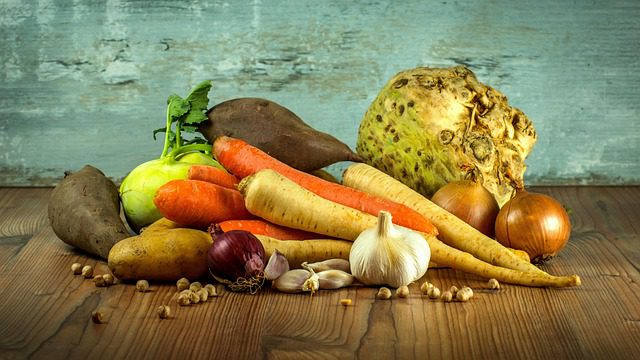
What Is a Gluten Free Diet? Unraveling the Basics
A gluten free diet isn't just a trend-it's a necessity for many and a choice for others seeking better health. It involves avoiding gluten, a protein found in wheat, rye, and barley. But don't worry; saying goodbye to gluten doesn't mean sacrificing flavor or variety, especially with nature's gluten free offerings like quinoa and millet waiting to be harvested!
From my years of nurturing gardens, I've learned that the earth offers abundant alternatives to gluten-heavy grains. Think of nutrient-rich wild rice or hearty buckwheat-perfect for your table and your health. Curious about where gluten hides? Let's explore.
Where Does Gluten Hide in Our Food?
Gluten lurks in many everyday staples-breads, cereals, and even processed snacks. It's often used as a food additive, sneaking into sauces and packaged goods. But not all grains are culprits!
Here's a quick guide to gluten free wonders you can grow or buy:
- Quinoa: A protein-packed seed that rivals any grain.
- Amaranth: A versatile, ancient crop with a nutty flavor.
- Corn: A garden staple, naturally free of gluten.
- Sunflower Seeds: Nutrient-dense and perfect for snacking.
Fun Fact: Did you know that nearly 1 in 100 people worldwide may have celiac disease, a condition requiring a strict gluten free diet? Awareness is growing, and so are the options!
Who Should Consider a Gluten Free Lifestyle?
For some, going gluten free isn't a choice-it's a lifeline. If you're battling celiac disease, an autoimmune condition affecting the small intestine, eliminating gluten is essential. Symptoms like chronic diarrhea, fatigue, and joint pain often signal this hidden struggle, frequently misdiagnosed as irritable bowel syndrome.
But it's not just for celiac sufferers. Individuals with fibromyalgia report reduced pain on a gluten free plan, while some with diabetes find it helps manage blood sugar-though caution is key due to added sugars in processed substitutes. Always consult your doctor before planting the seeds of dietary change. Have you ever considered if gluten could be affecting your energy or health?
Could a Gluten Free Diet Be Right for You? Let's Discuss!
Not sure if this path suits you? Reflect on your body's signals-bloating, tiredness, or unexplained aches might be clues. For gardeners like us, growing gluten free crops like millet or teff can be both a hobby and a health boost. Why not experiment with these in your next planting season?
Benefits of Going Gluten Free: Harvesting Health
Switching to a gluten free diet can yield a rich harvest of benefits, much like a well-tended garden. For those with celiac disease, it's a remedy that can heal the gut and restore energy. Others may notice improved digestion, clearer skin, or even a lighter mood.
Consider this: A 2021 survey found that 25% of Americans follow a gluten free diet, even without a medical need, citing better overall wellness. Plus, exploring gluten free gardening-think corn or soybeans-adds diversity to your plot and plate. What benefits are you hoping to reap?
Myths vs. Reality: Debunking Gluten Free Misconceptions
There's a lot of mulch to clear around gluten free living. Let's separate fact from fiction:
- Myth: Gluten free means flavor-free. Reality: With recipes and substitutes galore, taste thrives!
- Myth: It's only for celiac patients. Reality: Many adopt it for non-medical boosts in energy.
- Myth: Gluten free is expensive. Reality: Growing your own grains like quinoa cuts costs!
How to Thrive on a Gluten Free Diet: Tips from the Garden
Starting a gluten free journey is like planting a new seed-it takes care but yields rewards. Thankfully, manufacturers are cultivating more gluten free products than ever. From breads to snacks, the market is blooming, and if you can't find a substitute, the internet is a treasure trove of recipes.
As a gardener, I encourage growing your own gluten free staples. Imagine harvesting fresh corn or quinoa right from your backyard! Pair this with diligent label-reading to avoid hidden gluten, and you're set. Need inspiration for gluten free meals? Check out dedicated cookbooks or online communities.
Start Planting Gluten Free Today: Call to Action
Why not sow the seeds of change in both your diet and garden? Try planting a small patch of buckwheat or millet this season. Share your progress or favorite gluten free recipes in the comments-I'd love to hear how your garden and health flourish!

Mother Of 2 Reverses Dangerous Inflammation And Loses Over 70 Pounds
Watch Now Here
Conclusion: Cultivate Wellness with a Gluten Free Diet
Just as we nurture rare plants and tender vegetables, adopting a gluten free lifestyle is about caring for ourselves with intention. Whether driven by necessity or curiosity, this dietary shift can blossom into better health, vibrant meals, and even a closer bond with the earth through gluten free gardening. Have you found value in this guide? Save it for reference, share it with fellow garden enthusiasts, or drop a comment with your thoughts-I'm eager to chat!
FAQs: Your Gluten Free Diet Questions Answered
1. Is a gluten free diet suitable for everyone?
Not necessarily. It's vital for those with celiac disease or gluten sensitivity, but others may not need it. Consult a healthcare provider to ensure it aligns with your health goals, especially if you have conditions like diabetes.
2. Are there gluten free grains I can grow in my garden?
Absolutely! Crops like quinoa, millet, corn, and buckwheat are naturally gluten free and can thrive in many climates. They're a fantastic way to combine gardening passion with dietary needs.
3. Does gluten free mean healthier?
Not always. While it benefits specific conditions, many gluten free products contain added sugars or fats. Focus on whole, natural foods-like homegrown grains-to truly nourish your body.

Lamartine P is a health and wellness researcher focused on supplements, lifestyle, and evidence-based content. He analyzes products, studies market trends, and translates complex information into practical insights to help readers make informed decisions.