

Benefits of Eating Papaya After Dinner include easier digestion, a lighter dessert choice, and useful nutrients such as vitamin C, vitamin A, folate, potassium, and fiber. This sweet tropical fruit can fit well into an evening routine when you choose a ripe portion.
Papaya is not a treatment for disease, and eating it at night does not create special results for everyone. However, its nutrition and gentle sweetness may support practical goals, including fewer heavy desserts and more fruit in your diet.
Discover How This Simple “Meal Plan” Change My Life
Why Papaya Fits An Evening Meal
The benefits of eating papaya after dinner begin with its nutrient profile. Papaya contains few calories compared with many rich desserts, while its water, fiber, and natural sweetness can make a meal feel complete.
| Nutrient | Amount per 100 g | Role described in the source |
|---|---|---|
| Vitamin C | 60 mg | Supports immune and skin health |
| Vitamin A | 1,274 IU | Helps support vision and skin health |
| Folate | 37 mcg | Supports cell function and tissue growth |
| Potassium | 182 mg | Helps support heart, kidney, and digestive function |
| Fiber | 1.7 g | Supports regular bowel movements |
A Nutrient-Dense Dessert
Instead of ending dinner with a heavy, high-calorie option, you can serve ripe papaya on its own. Therefore, it offers a simple way to add fruit without making your evening meal feel restrictive.
Digestive Support After Dinner
One of the best-known benefits of eating papaya after dinner involves digestion. Papaya contains papain, an enzyme that helps break down protein. This may help your body process a meal more comfortably.
Papain And Protein
Papain is a natural digestive enzyme found in papaya. It may support the breakdown of protein, although it should not replace medical care for ongoing pain, reflux, bloating, or other digestive symptoms.
Fiber And Regularity
Papaya also supplies fiber. Fiber adds bulk to stool and helps food move through the digestive tract. Consequently, a serving may support regular bowel movements and help reduce constipation as part of a balanced diet.

Weight And Blood Sugar Considerations
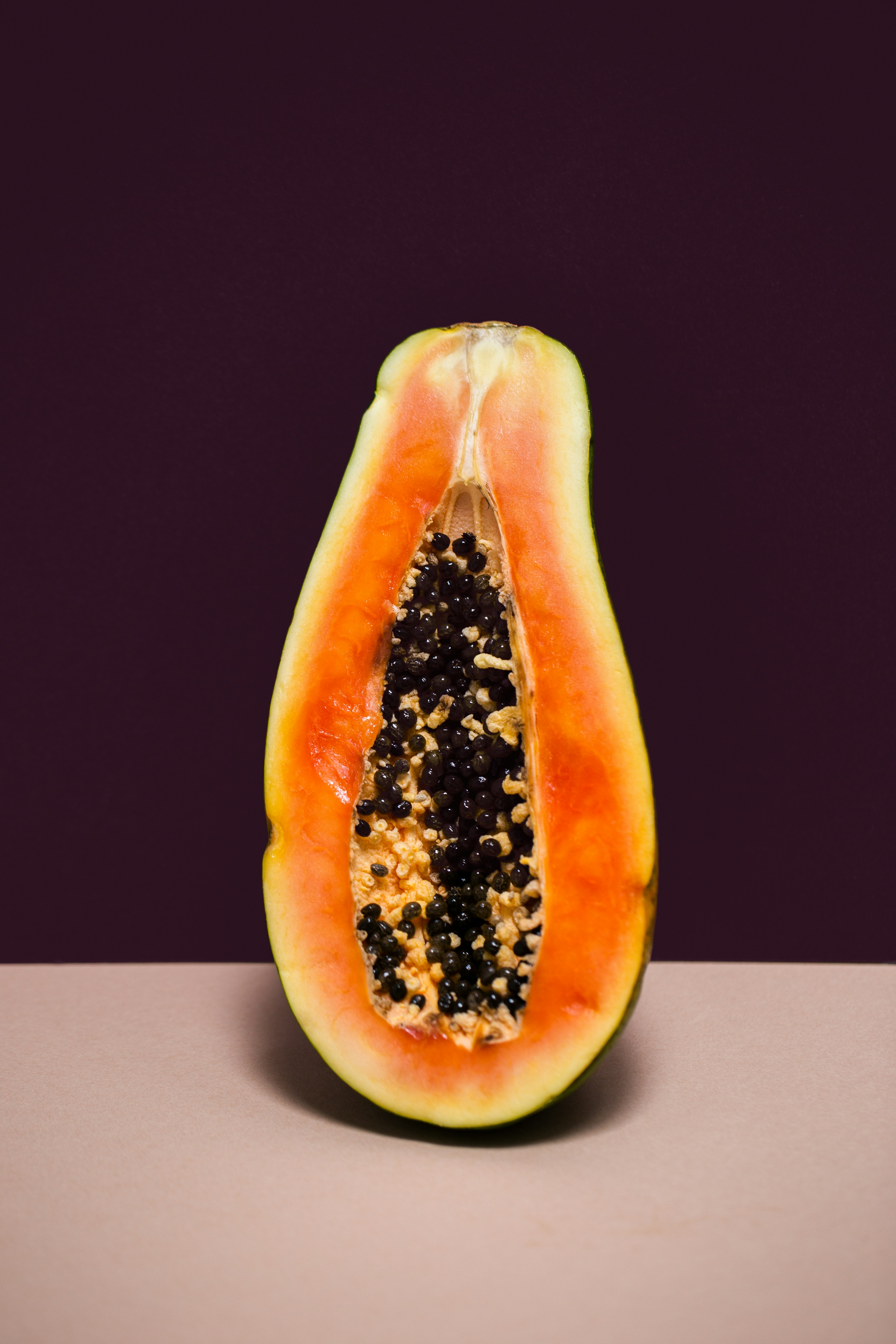
The benefits of eating papaya after dinner may also support mindful eating. Its sweet taste can satisfy a dessert craving, while its fiber may help you feel full for longer. However, portion size still matters.
A Lighter Sweet Choice
Replacing a richer dessert with papaya can lower the overall calorie load of your meal. This change may help with weight goals when it fits your wider eating pattern and activity level.
Fiber And Blood Sugar
The source describes papaya as a low-glycemic-index fruit. The glycemic index measures how quickly a food may raise blood sugar. Still, individual responses vary, and people with diabetes should follow their clinician’s advice.
Antioxidants, Skin, And Immune Health
Papaya provides vitamin C, vitamin A, and beta-carotene. These nutrients act as antioxidants, which help protect cells from oxidative stress. Oxidative stress occurs when unstable molecules, called free radicals, build up in the body.
Support For Skin
The fruit’s nutrients may help support normal skin health. Its water content also contributes to food-based hydration. Nevertheless, eating papaya cannot guarantee fewer wrinkles or reverse aging.
Vitamin C And Immunity
Vitamin C supports normal immune function. Therefore, papaya can contribute to a varied diet that supplies immune-related nutrients. It cannot prevent every infection, but it can be a flavorful part of healthy eating.
Heart-Friendly Nutrients
Papaya supplies potassium and fiber, two nutrients linked with heart-supportive eating patterns. Potassium helps balance sodium’s effects in the body, while fiber can support healthy cholesterol levels.
Potassium And Blood Pressure
A diet that includes potassium-rich foods may support healthy blood pressure. However, people with kidney disease or potassium restrictions should ask a health professional before increasing high-potassium foods.
Fiber And Cholesterol
Fiber can support cholesterol management when you eat enough of it over time. Papaya alone will not lower cholesterol, so pair it with vegetables, whole grains, beans, and other nutritious foods.
Simple Ways To Serve Papaya
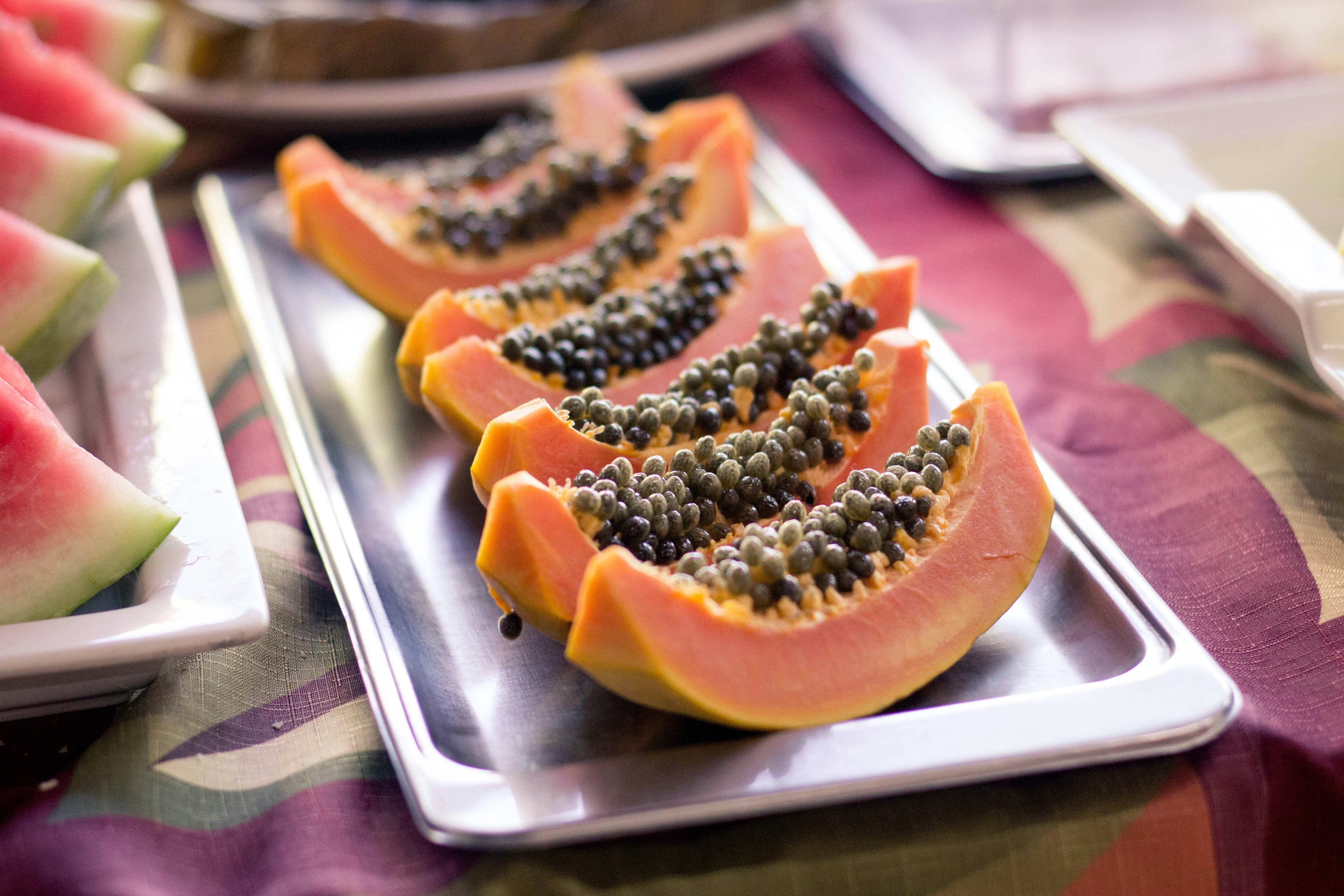
You do not need a complex recipe to enjoy the benefits of eating papaya after dinner. Choose a ripe fruit, cut it open, remove the seeds, and scoop out the flesh.
- Plain: Serve chilled for a quick dessert.
- With lime: Add lime juice for a sharper flavor.
- In a smoothie: Blend papaya with bananas or berries.
- In fruit salad: Combine it with other fresh fruit.
- As salsa: Mix diced papaya with onion, peppers, lime juice, and cilantro.
Papaya salsa adds a tropical flavor to grilled fish or meat. Furthermore, using fruit in a savory dish can make dinner more varied without relying on a heavy sauce.
Safety Notes Before You Eat It
Most people can enjoy ripe papaya as part of a balanced diet. Still, allergies and health conditions deserve attention, especially when you are pregnant or take advice for blood sugar, kidney, or digestive concerns.
Allergy Awareness
Some people may react to papaya. If you have a latex allergy, use caution because papaya contains enzymes that resemble compounds found in latex. Stop eating it and seek medical advice if symptoms appear.
Choose Fully Ripe Fruit
Unripe papaya contains more latex. The source advises avoiding unripe papaya during pregnancy because it may stimulate contractions. Choose fully ripe papaya, and discuss fruit choices with your pregnancy care provider.
For additional information about raw papaya during pregnancy, read the benefits of raw papaya in pregnancy.

Frequently Asked Questions
Is Papaya Good To Eat After Dinner?
Yes, ripe papaya can be a light evening dessert. Its fiber, natural sweetness, vitamin C, vitamin A, folate, and potassium make it a useful addition to a balanced meal plan.
Can Papaya Help Digestion At Night?
Papain may help break down protein, while fiber supports regular bowel movements. However, persistent bloating, pain, or reflux needs medical evaluation rather than reliance on fruit.
Can Papaya Support Weight Management?
It may help when it replaces a higher-calorie dessert. Papaya still contains calories and natural sugar, so a sensible portion and an overall balanced diet remain important.
Should Pregnant People Eat Unripe Papaya?
The source advises avoiding unripe papaya during pregnancy because its higher latex content may stimulate contractions. Fully ripe fruit may be a safer choice, but personal guidance should come from a pregnancy care provider.
Does Papaya Guarantee Better Sleep?
No. Papaya contains carbohydrates and tryptophan, which the source connects with serotonin and melatonin production. Yet sleep depends on many factors, including stress, routines, health, and the sleep environment.
A Practical Evening Choice
The benefits of eating papaya after dinner make this fruit an appealing choice for a lighter dessert. It may support digestion, regularity, nutrient intake, and mindful eating. Choose ripe papaya, enjoy a reasonable serving, and treat it as part of-not a replacement for-a varied diet.


Lamartine P is a health and wellness researcher focused on supplements, lifestyle, and evidence-based content. Enthusiastic researcher and content creator specializing in evidence-based supplement reviews. With over 4 years of experience analyzing dietary supplements. He analyzes products, studies market trends, and translates complex information into practical insights to help readers make informed decisions.