

If you want to reduce cholesterol and triglyceride levels naturally, a beet juice recipe may fit into a balanced eating plan. Beets provide fiber and antioxidants, while their moderate calorie content makes them a practical choice for many diets. However, this drink works best alongside regular exercise, nutritious meals, and medical guidance.
Cholesterol and triglycerides support normal body functions, but high blood levels may raise cardiovascular risk. Because these conditions often cause no clear symptoms, routine laboratory testing remains important. A healthy drink can support your goals, but it should not replace prescribed treatment.
How Beet Juice May Support Heart Health
Beet juice may help you reduce cholesterol and triglyceride levels naturally when you use it as part of an overall healthy routine. Beets contain soluble fiber and antioxidant compounds that support several aspects of metabolic health.
Soluble fiber is a type of fiber that mixes with water in the digestive tract. It can support healthy blood sugar and blood lipid levels. Antioxidants, meanwhile, help protect cells from oxidative stress, which occurs when harmful free radicals outweigh the body’s defenses.
A study published in Nutrients describes beetroot as a food linked with support for cardiovascular health, blood pressure, inflammation, and oxidative stress. Nevertheless, food effects can vary from person to person. Therefore, you should view beet juice as a supportive habit rather than a stand-alone treatment.

Why Fiber And Antioxidants Matter
- Fiber: May support digestion and help maintain healthier blood sugar, cholesterol, and triglyceride levels.
- Antioxidants: Help the body manage free radicals linked with oxidation and cell stress.
- Moderate calories: Beets can add flavor and nutrients without making a drink overly heavy.
In addition, vegetables offer a simple way to improve diet quality. Replacing sugary drinks with a vegetable-based option may help reduce excess sugar intake. Still, the full diet matters more than one recipe.
Beet Juice Recipe For A Healthier Routine
This beet juice recipe can help you reduce cholesterol and triglyceride levels naturally as part of a balanced lifestyle. It uses a small beet and water, with no added sugar or salt.
| Ingredient | Amount | Purpose |
|---|---|---|
| Small beet | 1, cut into cubes | Provides fiber and plant antioxidants |
| Water | 200 ml | Creates the drink base |
| Optional fruit | Orange, mango, or lime | Adds natural flavor |
How To Prepare The Drink
- Wash the beet and cut it into small cubes.
- Place the cubes in a blender with 200 ml of water.
- Blend until the mixture becomes smooth.
- Drink it without adding sugar or salt.
- Add orange, mango, or lime if you want a different flavor.
Using fruit can make the drink easier to enjoy, especially if the earthy taste of beet feels strong. However, keep the recipe simple and avoid turning it into a high-sugar beverage. Furthermore, drinking it with a meal may suit you better than consuming it on an empty stomach.
Understanding LDL, HDL, And Triglycerides
To reduce cholesterol and triglyceride levels naturally, it helps to understand what your blood test measures. Cholesterol is a waxy substance that the body needs for cell function, vitamin D production, and digestion. The body also makes much of its own cholesterol.
Cholesterol does not travel through the blood alone. Instead, it moves inside particles called lipoproteins. Their role differs, which explains why health reports usually separate LDL and HDL results.
| Term | Plain-language meaning | Why it matters |
|---|---|---|
| LDL | Often called “bad” cholesterol | High levels may contribute to plaque buildup in artery walls. |
| HDL | Often called “good” cholesterol | It helps transport cholesterol for removal from the bloodstream. |
| Triglycerides | A type of fat in the blood | High levels may occur with metabolic and cardiovascular risk. |
Why LDL Can Be A Concern
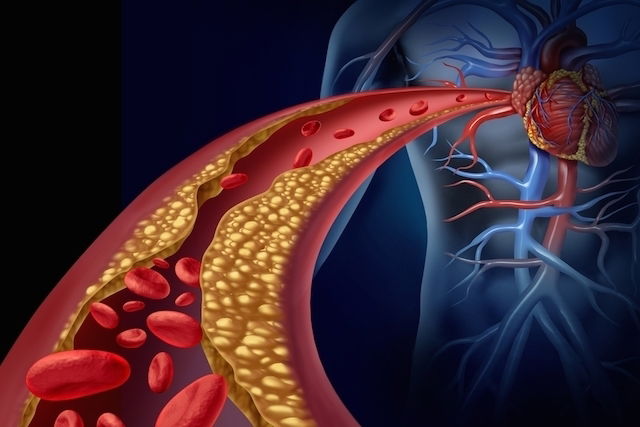
LDL can enter artery walls and contribute to plaque formation. Plaque may narrow blood vessels over time, which can affect blood flow to the heart and brain. Consequently, high LDL levels are linked with heart disease, stroke, and problems involving the aorta, the body’s main artery.
Triglycerides also deserve attention. They store energy, but persistently high levels may add to cardiovascular concerns. A blood test can show whether your levels fall within a healthy range and whether further evaluation is needed.
Why Testing Matters Even When You Feel Well
High cholesterol often causes no noticeable symptoms. You may feel healthy while LDL or triglyceride levels remain above the recommended range. For that reason, routine testing offers information that a drink or home symptom check cannot provide.
The Ministry of Health recommends routine assessment because laboratory testing remains the best way to diagnose abnormal cholesterol levels. Early results give you and your health professional more time to discuss diet, exercise, medicines, and follow-up care.
- Ask a qualified health professional how often you need a lipid test.
- Share your full results instead of focusing only on total cholesterol.
- Discuss family history, blood pressure, diabetes, and other risk factors.
- Continue prescribed medicines unless your clinician tells you to stop.
A beet drink can complement these habits, but it cannot confirm whether your cholesterol has improved. Only follow-up testing can show that change.
Best Ways To Use This Drink Safely
This recipe can be a positive addition to your routine when you keep expectations realistic. Choose it as one part of a broader plan that includes vegetables, regular physical activity, and medical follow-up.
Helpful Practices
- Prepare the drink without added sugar or salt.
- Use fresh ingredients and wash the beet before cutting it.
- Pair the drink with a diet rich in vegetables and other fiber sources.
- Maintain regular physical activity suited to your health and fitness level.
- Track laboratory results with a health professional.
Important Limits
Beet juice should not be described as a cure for high cholesterol, high triglycerides, heart disease, or high blood pressure. Also, people with medical conditions or prescribed diets should ask a clinician whether this recipe fits their needs.
Some people may notice digestive discomfort after increasing fiber. If that happens, use a smaller amount and discuss persistent symptoms with a professional. Therefore, personal tolerance matters as much as the recipe itself.
Frequently Asked Questions About Beet Juice And Cholesterol
Can Beet Juice Lower Cholesterol?
Beet juice may support a heart-healthy diet because beets provide fiber and antioxidants. However, it cannot guarantee lower cholesterol. A balanced diet, exercise, testing, and professional care remain essential.
Can This Drink Help With Triglycerides?
It may support healthier eating habits, particularly when it replaces sugary beverages. Yet triglyceride changes depend on many factors, including overall diet, activity, health conditions, and treatment. A blood test is needed to measure progress.
Should I Add Sugar To Improve The Taste?
No. The recipe is intended without added sugar or salt. You can use orange, mango, or lime to improve the flavor while keeping the preparation simple.
What Is The Difference Between LDL And HDL?
LDL carries cholesterol through the bloodstream and may contribute to artery plaque when levels are high. HDL transports cholesterol for removal. Health professionals consider both values, along with triglycerides and your wider health profile.
Can I Stop My Cholesterol Medicine After Drinking This Recipe?
No. Do not stop or change prescribed medicine without speaking with your clinician. Use this drink as a food choice that may support your routine, not as a replacement for medical treatment.
A Practical Takeaway For Your Heart-Healthy Plan
Beet juice offers a simple, vegetable-based option with fiber and antioxidants. When you prepare it with water and no added sugar or salt, it can support better daily choices. Furthermore, adding physical activity and routine testing makes your plan more useful.
High cholesterol and triglycerides often remain silent, so you should rely on laboratory results rather than symptoms. With consistent habits and appropriate medical guidance, this drink can become one positive part of a plan designed to protect your cardiovascular health.

Lamartine P is a health and wellness researcher focused on supplements, lifestyle, and evidence-based content. Enthusiastic researcher and content creator specializing in evidence-based supplement reviews. With over 4 years of experience analyzing dietary supplements. He analyzes products, studies market trends, and translates complex information into practical insights to help readers make informed decisions.
Affiliate disclosure: This review may contain affiliate links. If you purchase a product through one of these links, we may receive a commission at no additional cost to you. This does not affect the price you pay or the standards we use when reviewing products.
Medical disclaimer: The products discussed on this website are dietary supplements and are not intended to diagnose, treat, cure, or prevent any disease. These products are not substitutes for professional medical advice or prescribed treatments. Always consult a qualified healthcare professional before starting any new supplement, especially if you have a medical condition, are pregnant or breastfeeding, or take prescription medications.