

Emu Berry Fruit is a small Australian native fruit with a bright red-purple color, a sharp yet pleasant taste, and a growing place in modern food culture. Although it receives less attention than strawberries or blueberries, this fruit offers nutritional value, cooking flexibility, and an interesting link to sustainable farming.
Known by several names, including Munya, Native Cranberry, and Emu Apple, it brings a distinctive balance of sweetness and tartness. Its compact size does not limit its appeal. Instead, the fruit’s flavor, color, and nutrient profile make it a useful addition to many meals.
Discover How This Simple “Meal Plan” Change My Life
What Makes Emu Berry Fruit Different?
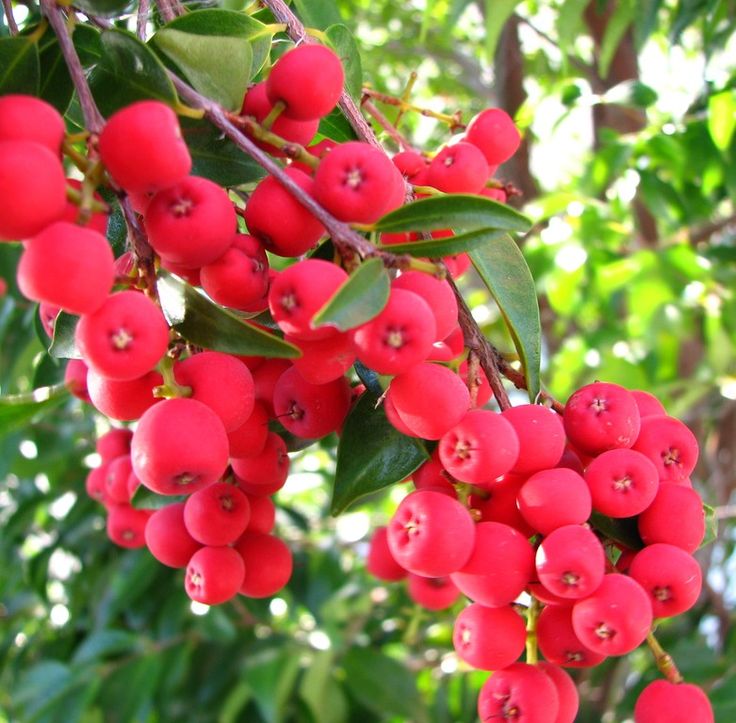
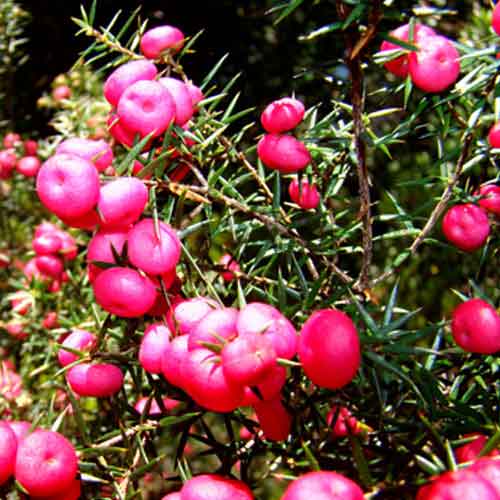
Emu Berry Fruit comes from Kunzea pomifera, a plant native to Australia. Its other names reflect both its origin and its flavor. The terms Native Cranberry and Emu Apple, for example, suggest its tangy character and small-apple-like appearance.
The fruit usually measures about 1-2 centimeters across. Its vivid red-purple skin makes it easy to identify, while its flavor gives recipes a lively contrast. Therefore, it can work well when you want a fruit that adds both color and a sharp, fresh note.
| Feature | What You Can Expect |
|---|---|
| Origin | Native to Australia |
| Scientific name | Kunzea pomifera |
| Common size | About 1-2 centimeters |
| Color | Bright red-purple |
| Flavor | Sweet and tart |
Nutrients And Potential Wellness Support
Emu Berry Fruit contains antioxidants, vitamins, and minerals that support a balanced diet. Antioxidants are compounds that help protect cells from unstable molecules called free radicals. However, no single food should be treated as a cure or replacement for medical care.
Antioxidant Content
Free radicals can form naturally in the body. An excess may contribute to cell stress, which is why antioxidant-rich foods often receive attention in wellness discussions. Including colorful fruits in your meals can support overall dietary variety.
Vitamin C And Other Vitamins
This fruit is described as a source of Vitamin C. The body uses Vitamin C for immune function and improved iron absorption. It also contains vitamins A, E, and K, which contribute to normal body processes.
For practical use, you can enjoy the fruit as part of a varied eating pattern that also includes vegetables, grains, protein foods, and other fruits. Furthermore, people with medical conditions should discuss major dietary changes with a qualified health professional.
Minerals For Everyday Nutrition
Calcium and magnesium are among the minerals associated with Emu Berry Fruit. Both play important roles in normal body function and bone health. The fruit also provides potassium, a mineral linked with healthy blood pressure regulation as part of an appropriate diet.

How Emu Berry Fruit Fits Into Food
Emu Berry Fruit has a flexible taste profile, so you can use it in sweet and savory recipes. Its natural sweetness softens the tart flavor, while its strong color can make a simple dish look more appealing.
- Jams and jellies: Cooking the fruit creates a spread with a bright, balanced flavor.
- Sauces: Its tart note can complement meat dishes and add contrast to savory meals.
- Drinks: The fruit’s color and flavor suit beverages, including craft products.
- Desserts and garnishes: Small pieces can add color and a fresh, tangy finish.
Craft brewers have also used Emu Berry Fruit in beers, ciders, and wines. In these products, the fruit contributes a distinctive taste and rich color. Therefore, it appeals to cooks, drink makers, and producers seeking an unusual native ingredient.
Sustainability And Native Australian Crops
Emu Berry Fruit also attracts interest because the plant is drought-tolerant and naturally resistant to pests. These traits may make it suitable for farming approaches that use fewer resources and support resilient crops.
Its connection to Australian bushland adds another layer of value. Choosing foods made from native plants can help maintain interest in regional crops and encourage the protection of native landscapes. However, responsible growing and harvesting practices remain important.
| Natural quality | Why it matters |
|---|---|
| Drought tolerance | Supports cultivation in conditions with limited water |
| Pest resistance | May improve the plant’s farming practicality |
| Native origin | Connects food choices with Australian plant diversity |
Why Its Popularity May Continue
Emu Berry Fruit brings together several qualities that modern shoppers value: a distinctive flavor, useful nutrients, recipe versatility, and a connection to sustainable agriculture. As interest in native foods grows, this Australian fruit has room to gain wider attention.
It can also help broaden your usual menu. Rather than relying on the same familiar berries, you can explore a fruit with a different taste and cultural background. Furthermore, its use in sauces, desserts, drinks, and preserves gives it more practical value than a novelty ingredient.
Frequently Asked Questions About Emu Berry Fruit
What Is Emu Berry Fruit?
Emu Berry Fruit is a small fruit from the Australian native plant Kunzea pomifera. It is also called Munya, Native Cranberry, or Emu Apple. The fruit has a red-purple color and a sweet-tart flavor.
What Nutrients Are Associated With This Fruit?
Emu Berry Fruit is described as containing antioxidants, Vitamin C, vitamins A, E, and K, plus calcium, magnesium, and potassium. Nutrient levels can vary, so it should form part of a varied diet.
How Can You Use It In Recipes?
You can use Emu Berry Fruit in jams, jellies, sauces, drinks, desserts, and garnishes. Its tart flavor can balance sweetness, while its color adds visual appeal to food and beverages.
Is Emu Berry Fruit A Sustainable Choice?
The plant is drought-tolerant and naturally pest-resistant. Those qualities may support sustainable farming. In addition, interest in native Australian crops can encourage greater care for bushland and plant diversity.
A Bright Addition To A Varied Diet
Emu Berry Fruit offers more than an unusual name. Its nutrient profile, vivid appearance, culinary range, and sustainable farming potential make it an appealing food to explore. Enjoy it as one part of a balanced diet, and its distinctive character can bring fresh variety to everyday meals.

Lamartine P is a health and wellness researcher focused on supplements, lifestyle, and evidence-based content. Enthusiastic researcher and content creator specializing in evidence-based supplement reviews. With over 4 years of experience analyzing dietary supplements. He analyzes products, studies market trends, and translates complex information into practical insights to help readers make informed decisions.
Affiliate disclosure: This review may contain affiliate links. If you purchase a product through one of these links, we may receive a commission at no additional cost to you. This does not affect the price you pay or the standards we use when reviewing products.
Medical disclaimer: The products discussed on this website are dietary supplements and are not intended to diagnose, treat, cure, or prevent any disease. These products are not substitutes for professional medical advice or prescribed treatments. Always consult a qualified healthcare professional before starting any new supplement, especially if you have a medical condition, are pregnant or breastfeeding, or take prescription medications.