

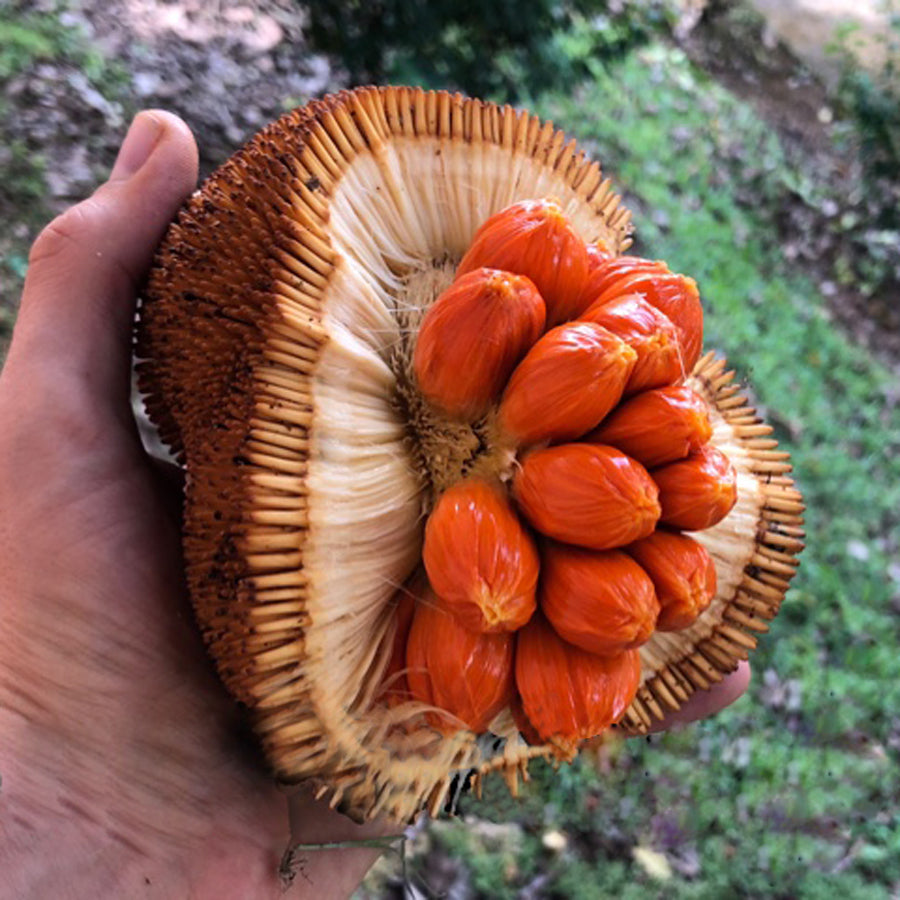
Entawak fruit, also called Butter Fruit, is a tropical food valued for its smooth texture and unusual flavor. Native to the Borneo rain forests, this fruit tree needs warmth, sunlight, fertile soil, careful watering, and ample room. Understanding the optimal growing conditions for Entawak fruit can help you plan a healthier tree and a more reliable harvest.
Entawak cultivation takes patience, but the effort can be worthwhile. When you match the tree’s needs to your garden or orchard, you create better conditions for steady growth and fruit production within about three to four years of planting.
Discover How This Simple “Meal Plan” Change My Life
What Entawak Fruit Is Like
The optimal growing conditions for Entawak fruit begin with knowing the plant. Scientifically called Artocarpus odoratissimus, Entawak belongs to the same family as jackfruit, breadfruit, and figs. It grows naturally in Borneo and is also eaten in Indonesia, Malaysia, and the Philippines.
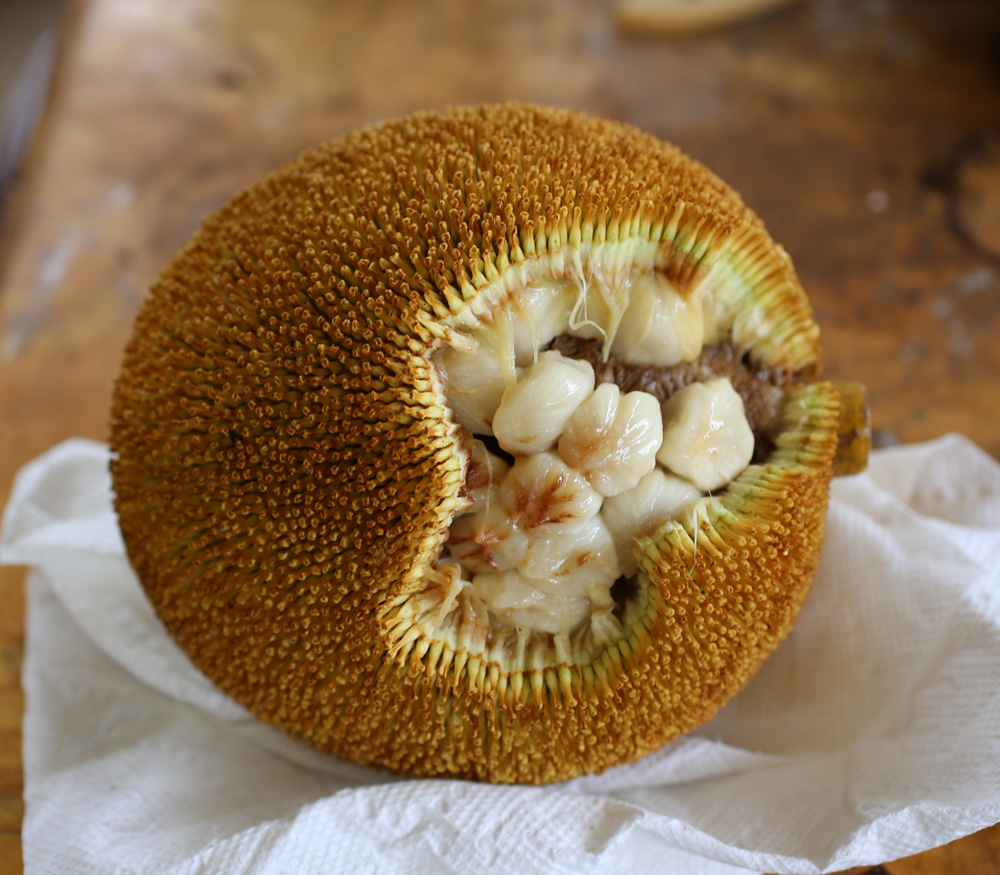
The ripe fruit has a creamy texture and a distinctive taste often compared with pumpkin, avocado, and durian. In addition, the cooked seed kernels are edible and have a flavor similar to chestnuts.
Light And Temperature Needs
For the optimal growing conditions for Entawak fruit, provide strong daily sunlight and a warm climate. The tree needs at least six hours of direct sun each day. This light supports photosynthesis, the natural process plants use to turn light into energy for growth and fruit formation.
- Sunlight: Choose a bright, open site with a minimum of six direct hours each day.
- Preferred warmth: Aim for temperatures between 24°C and 30°C.
- Cold caution: The tree may tolerate temperatures down to 10°C, but colder conditions can cause damage and slow growth.
Therefore, gardeners in areas with severe winters may face added challenges. A warm tropical or frost-free setting offers a more suitable home for this tree.

Soil And Water Balance
Healthy soil is central to the optimal growing conditions for Entawak fruit. Use rich, loamy soil that drains well and contains plenty of organic matter. Loam combines useful drainage with enough structure to support roots. A slightly acidic pH from 6.0 to 6.5 suits the tree.
| Growing factor | Recommended condition | Why it matters |
|---|---|---|
| Soil type | Rich, well-draining loam | Supports roots while reducing standing water |
| Organic matter | Compost or similar material | Helps support steady plant growth |
| Soil pH | 6.0 to 6.5 | Provides a suitable slightly acidic setting |
| Watering | Moderate and consistent | Helps avoid drought stress and root damage |
Water the tree thoroughly, then allow the soil to dry somewhat before watering again. However, avoid both prolonged drought and flooding. Excess water can contribute to root rot, a damaging condition that weakens or kills roots.

Space And Nutrient Planning
The optimal growing conditions for Entawak fruit include generous space and regular soil feeding. In its natural habitat, the tree may reach 20 meters or more. Consequently, a small planting site may become crowded as the tree matures.
- Leave at least 10 meters between Entawak trees.
- Allow room for both the canopy and the root system.
- Keep buildings, paths, and nearby plants clear of future growth.
Entawak trees are heavy feeders, meaning they need a steady supply of plant nutrients. Rich soil can support stronger growth and better fruit production. Add organic compost, manure, or a balanced fertilizer to help supply nitrogen, phosphorus, and potassium.
Pruning For A Healthier Canopy
Pruning supports the optimal growing conditions for Entawak fruit by improving the tree’s shape and light access. Remove weak branches and manage crowded growth, especially while the tree is young.
An open canopy allows more light to reach the remaining branches. Furthermore, early pruning can reduce branch overcrowding and encourage a stronger structure. Use careful cuts and avoid removing healthy growth without a clear reason.
Pest And Disease Checks
Regular inspection protects the optimal growing conditions for Entawak fruit. Insects and plant diseases can become serious problems when you notice them late. Check the leaves, branches, and developing fruit as part of your normal care routine.
- Inspect the tree often for unusual marks or insect activity.
- Look for changes in leaf health or branch strength.
- Act early when you notice a possible pest or disease problem.
This simple habit supports early detection. Therefore, you can respond before a small issue places greater stress on the tree.
Frequently Asked Questions About Entawak
How Much Sun Does Entawak Need?
Entawak needs at least six hours of direct sunlight each day. A bright, open location supports photosynthesis, healthy growth, and fruit production.
What Temperature Is Best For Entawak?
The tree grows best between 24°C and 30°C. It may tolerate temperatures as low as 10°C, but colder weather can damage the plant and restrict growth.
What Soil Does Entawak Prefer?
Choose rich, well-draining loamy soil with organic matter. A slightly acidic pH between 6.0 and 6.5 provides a suitable growing environment.
How Much Space Does An Entawak Tree Need?
Leave at least 10 meters between trees. Entawak can grow 20 meters or more in its natural setting, so plan for wide and tall development.
When Can Entawak Produce Fruit?
With suitable care and growing conditions, Entawak trees may produce fruit within three to four years after planting. Results depend on the tree’s environment and ongoing care.
Growing Entawak requires planning, patience, and consistent attention. Still, the combination of tropical warmth, direct sun, suitable soil, balanced moisture, nutrition, pruning, and pest checks gives your tree a strong foundation for productive growth.

Lamartine P is a health and wellness researcher focused on supplements, lifestyle, and evidence-based content. Enthusiastic researcher and content creator specializing in evidence-based supplement reviews. With over 4 years of experience analyzing dietary supplements. He analyzes products, studies market trends, and translates complex information into practical insights to help readers make informed decisions.
Affiliate disclosure: This review may contain affiliate links. If you purchase a product through one of these links, we may receive a commission at no additional cost to you. This does not affect the price you pay or the standards we use when reviewing products.
Medical disclaimer: The products discussed on this website are dietary supplements and are not intended to diagnose, treat, cure, or prevent any disease. These products are not substitutes for professional medical advice or prescribed treatments. Always consult a qualified healthcare professional before starting any new supplement, especially if you have a medical condition, are pregnant or breastfeeding, or take prescription medications.