

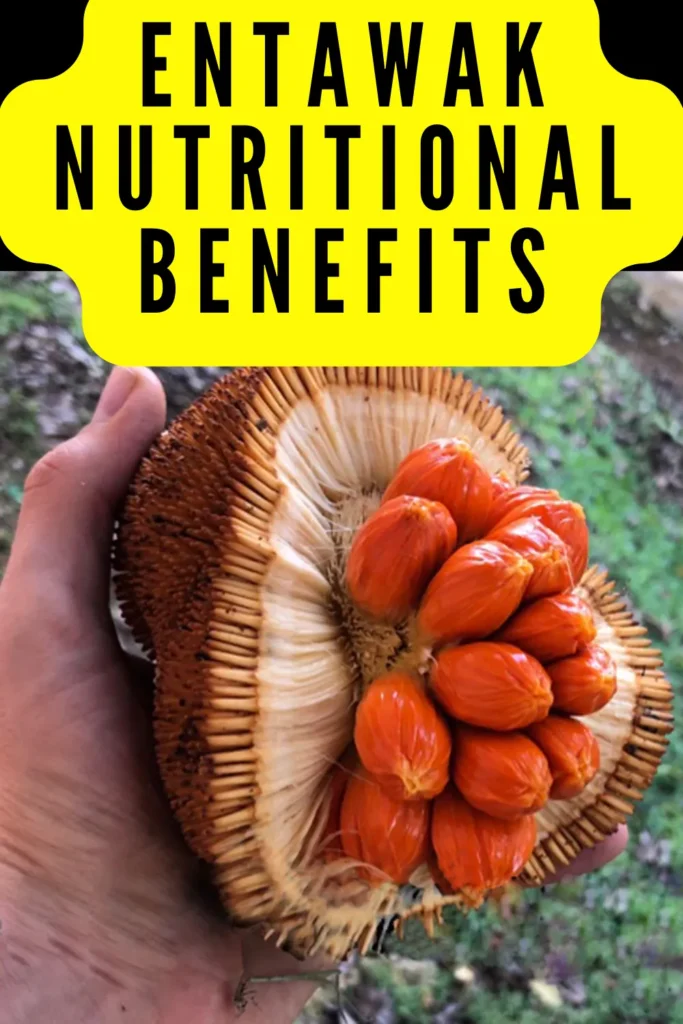
Entawak is a tropical fruit with a creamy texture, sweet flavor, and useful place in Southeast Asian food traditions. Often called wild jackfruit, it belongs to the Moraceae family and offers carbohydrates, fiber, vitamins, and minerals.
Whether you eat it fresh, blend it into a drink, or cook its seeds, this unusual fruit can add variety to your meals. However, you should view it as part of a balanced diet rather than as a treatment for any health condition.
Discover How This Simple “Meal Plan” Change My Life
What Is Entawak?
Entawak is the fruit of Artocarpus integer, a tropical tree native to Southeast Asia. It grows especially in areas such as Malaysia and Indonesia. The fruit is related to jackfruit and breadfruit.
Its oval body can become large and may weigh several kilograms. Inside, the soft flesh has a custard-like feel. Its taste makes it appealing as both a fresh snack and an ingredient in sweet or savory recipes.
Quick Facts About Entawak
| Feature | What To Know |
|---|---|
| Scientific name | Artocarpus integer |
| Plant family | Moraceae |
| Common description | Wild jackfruit |
| Native region | Southeast Asia, including Malaysia and Indonesia |
| Texture | Soft, creamy, and custard-like |
How To Identify Entawak
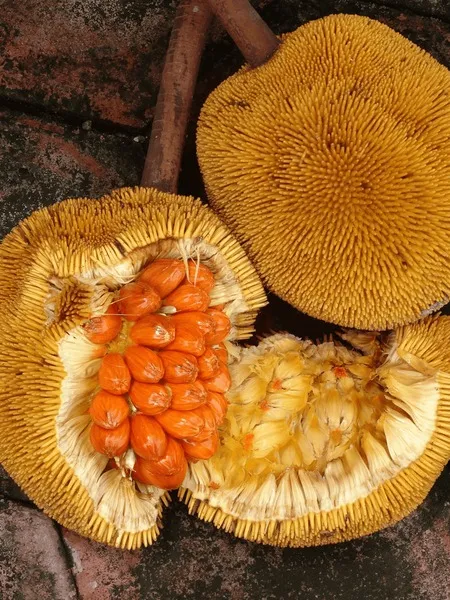
Entawak usually has a thick, spiky rind. As it ripens, the outer color changes from green toward greenish-yellow. Therefore, the rind can help you judge whether the fruit may be ready to eat.
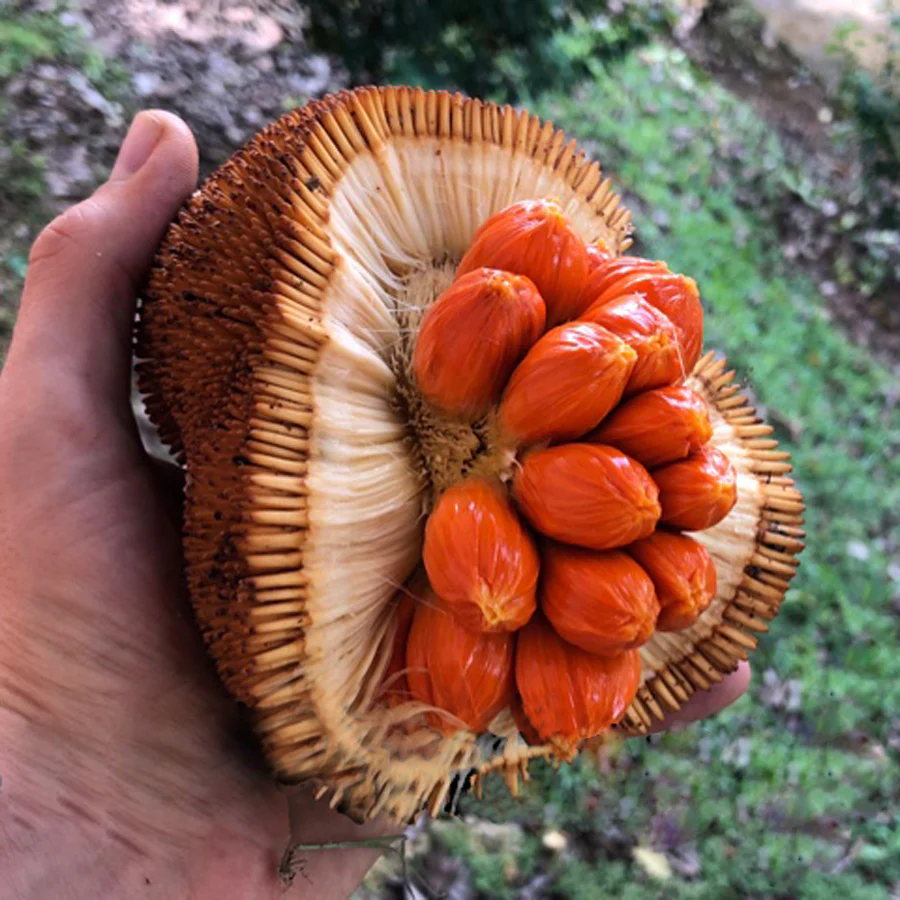
The flesh may appear pale yellow or deep orange, depending on the variety. Its smooth texture sets it apart from many other tropical fruits. Furthermore, the seeds are edible after cooking.
- Outer skin: Thick and covered with small spikes.
- Ripe color: Often greenish-yellow.
- Inner flesh: Creamy and soft.
- Flesh color: Ranges from pale yellow to deep orange.
- Seeds: Suitable for boiling or roasting.
Entawak Nutritional Benefits
Entawak supplies carbohydrates, which your body uses for energy. It also contains dietary fiber. Fiber supports regular bowel movements and may help you feel satisfied after eating.
Its natural sweetness can make it a useful alternative to highly processed desserts. However, portion size still matters, especially if you monitor your carbohydrate or sugar intake.
Key Vitamins And Minerals
- Vitamin C: Supports normal immune function.
- B vitamins: Help your body use food for energy.
- Potassium: Supports normal heart and muscle function and helps maintain fluid balance.
- Magnesium: Contributes to normal muscle, nerve, and bone function.
- Calcium: Helps maintain strong bones and teeth.
These nutrients make the fruit more than a sweet treat. Still, no single food provides every nutrient you need. Pairing it with vegetables, protein, whole grains, and other fruits creates a stronger overall eating pattern.
Discover How This Simple “Meal Plan” Change My Life
Ways To Eat Entawak
Entawak works in several types of meals. Its creamy flesh is easy to enjoy on its own. Moreover, its seeds provide another way to use more of the fruit.
Fresh From The Rind
You can eat the soft flesh raw once the fruit reaches suitable ripeness. This option highlights its natural sweetness and custard-like texture. It also makes a simple snack on a warm day.
Blended Drinks And Desserts
Blend the flesh into smoothies for a thick, sweet drink. You can also use it in ice cream or pudding. Its distinct taste may give familiar desserts a tropical variation.
Cooked Seeds
Boil or roast the seeds before eating them. Cooking changes their texture and can create a crunchy snack. Do not eat the seeds raw unless safe preparation guidance confirms that choice.
Savory Recipes
In some regions, people add the fruit to curries and stews. Its unusual flavor can bring contrast to rich dishes. Start with a small amount when trying it in a familiar recipe.
How Entawak Grows
Entawak grows best in tropical settings with warm temperatures and high humidity. The tree can develop in both lowland and highland areas, provided its basic growing needs receive proper care.
| Growing need | Practical detail |
|---|---|
| Soil | Fertile, well-drained soil |
| Climate | Warm and humid tropical conditions |
| Altitude | Lowland and highland cultivation is possible |
| Tree size | May reach about 30 meters |
| Care | Regular water and fertilizer |
With enough space, water, and nutrients, the tree can produce fruit after several years of growth. Therefore, home growers should plan for a large mature tree rather than a small garden plant.
Harvesting And Storing The Fruit
Entawak does not ripen evenly across every fruit. Farmers often check for a color change and slight softness when they press the fruit gently.
Careful handling matters because rough picking can damage both the fruit and the tree. Once harvested, fresh eating offers the best chance to enjoy its full flavor. Short-term storage is possible, although freshness remains preferable.
Potential Health Benefits
Entawak contains fiber and plant compounds known as antioxidants. Antioxidants help protect cells from oxidative stress, which occurs when unstable molecules build up in the body.
The fruit also provides natural carbohydrates for energy. Its fiber may support digestion and help you feel full. However, claims about preventing disease or treating inflammation require medical evidence beyond the general nutrition described here.
- Energy support: Carbohydrates provide fuel for daily activity.
- Digestive support: Fiber helps promote regular bowel habits.
- Diet variety: The fruit adds new flavor and nutrients to meals.
- Antioxidant intake: Plant foods can contribute protective compounds to your diet.
Traditional Uses And Safety
Entawak has cultural value beyond food. In some traditions, people use parts of the tree, including leaves and bark, in folk preparations for concerns such as fever and digestive discomfort.
These traditional uses do not prove that a preparation is safe or effective. Do not use leaves, bark, or fruit as a substitute for medical care. Speak with a qualified health professional before using plant remedies, especially during pregnancy or while taking medicine.
Environmental Value Of Entawak Trees
Entawak trees can support local ecosystems when growers manage them responsibly. Their structure may offer food and shelter for wildlife. In addition, a broad canopy can help reduce soil erosion.
Sustainable farming matters because poor land practices can harm soil and natural habitats. When possible, choose fruit from growers who protect soil health, reduce waste, and support local biodiversity.
- Provides habitat and food for wildlife.
- May help hold soil in place through its canopy and root system.
- Can contribute to plant diversity in tropical farming areas.
- Encourages responsible sourcing and land care.
Frequently Asked Questions About Entawak
What Does Entawak Taste Like?
Entawak has a sweet flavor and a soft, custard-like texture. Its taste may vary by variety and ripeness, with flesh colors ranging from pale yellow to deep orange.
Can You Eat Entawak Seeds?
Yes, the seeds can be eaten after boiling or roasting. Cooking gives them a firmer texture and makes them suitable for use as a snack.
Is Entawak A Good Source Of Fiber?
Yes. The fruit contains dietary fiber, which supports regular digestion and may help you feel satisfied after meals. Your total daily fiber intake still depends on your whole diet.
Where Does Entawak Grow?
Entawak comes from Southeast Asia, especially Malaysia and Indonesia. It prefers warm, humid conditions and can grow in both lowland and highland areas.
Can Entawak Treat A Health Problem?
It should not replace medical treatment. Although the fruit supplies useful nutrients, traditional remedies made from leaves or bark should be discussed with a health professional before use.
Discover How This Simple “Meal Plan” Change My Life

Lamartine P is a health and wellness researcher focused on supplements, lifestyle, and evidence-based content. Enthusiastic researcher and content creator specializing in evidence-based supplement reviews. With over 4 years of experience analyzing dietary supplements. He analyzes products, studies market trends, and translates complex information into practical insights to help readers make informed decisions.
Affiliate disclosure: This review may contain affiliate links. If you purchase a product through one of these links, we may receive a commission at no additional cost to you. This does not affect the price you pay or the standards we use when reviewing products.
Medical disclaimer: The products discussed on this website are dietary supplements and are not intended to diagnose, treat, cure, or prevent any disease. These products are not substitutes for professional medical advice or prescribed treatments. Always consult a qualified healthcare professional before starting any new supplement, especially if you have a medical condition, are pregnant or breastfeeding, or take prescription medications.