


Finding foods you can eat a lot of without gaining weight starts with one simple idea: choose foods that offer plenty of volume for relatively few calories. Water-rich produce, fiber, lean protein, and sensible portions can help you feel satisfied while supporting a balanced eating plan.
These choices can also make meals more enjoyable. Crisp vegetables, sweet fruit, filling grains, and light protein work well in salads, snacks, breakfasts, and main dishes. However, no food makes weight gain impossible, so your total intake and portion size still matter.
How Foods You Can Eat a Lot of Without Gaining Weight Work
Foods you can eat a lot of without gaining weight usually have low calorie density. Calorie density means the amount of energy in a given weight of food. Foods with high water or fiber content often provide more volume with fewer calories.
Water adds bulk without adding many calories. Fiber also slows digestion and may help you feel full for longer. Therefore, a plate built around vegetables and other nutrient-rich foods can feel generous without becoming overly heavy.
| Food quality | How it may help | Examples |
|---|---|---|
| High water content | Adds volume and hydration | Cucumber, watermelon, celery |
| High fiber | Helps slow digestion | Spinach, broccoli, apples |
| Lean protein | Supports fullness and tissue repair | Egg whites, turkey, tofu |
| Measured healthy fats | Adds flavor and satisfaction | Avocado, almonds |
Water-Rich Produce For Full, Light Meals
Many foods you can eat a lot of without gaining weight come from the produce section. Cucumber, zucchini, lettuce, strawberries, and watermelon contain substantial water. As a result, they can add freshness and volume to meals.
These foods also provide useful nutrients while keeping calorie totals modest. You can serve them raw, add them to salads, or use them as refreshing snacks.
Simple Water-Rich Choices
- Cucumber: One cup contains about 16 calories, making it a useful choice for salads or quick snacks.
- Watermelon: One cup contains about 46 calories, and the fruit is roughly 92% water.
- Celery: One stalk contains about 6 calories and offers a crisp texture.
Fiber-Rich Foods That Help You Stay Satisfied
Fiber-rich foods you can eat a lot of without gaining weight include leafy greens, vegetables, fruit, and beans. Fiber is a type of carbohydrate that your body does not fully digest. It can help food move more slowly through digestion.
That slower process may help manage hunger between meals. Furthermore, fiber-rich choices can make a meal feel more substantial without relying on highly processed foods.
Fiber-Focused Picks
- Spinach: One cup contains about 7 calories and works well in salads or smoothies.
- Broccoli: One cup contains about 55 calories and offers a filling, nutrient-dense side.
- Apples: One medium apple contains about 95 calories and provides around 4 grams of fiber.
A Harvard study reported that increasing daily fiber intake by 10 grams may reduce weight gain over time. Individual results vary, but this supports the value of adding more fiber gradually.
Lean Protein For Better Meal Balance
Lean protein is another part of foods you can eat a lot of without gaining weight when portions fit your needs. Protein supports tissue repair and can help you feel satisfied after eating.
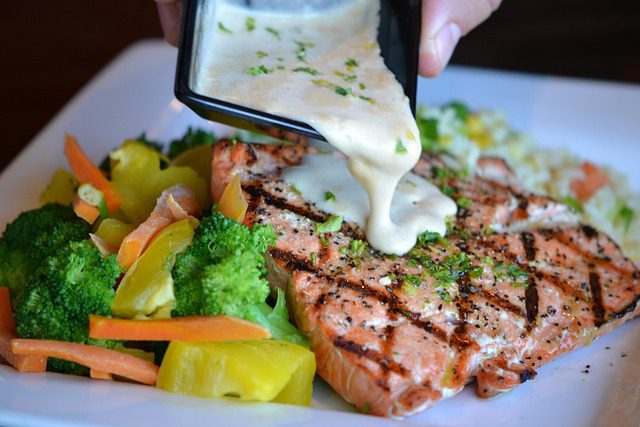
Pairing lean protein with garden-fresh vegetables creates a balanced meal. However, preparation matters. Grilling, steaming, or using a small amount of added fat can keep the meal lighter than deep-frying.
Lower-Calorie Protein Options
- Egg whites: One egg white contains about 17 calories and supplies protein without the yolk’s fat.
- Turkey breast: A 3-ounce serving contains about 135 calories and works in salads, wraps, or main dishes.
- Tofu: One-half cup contains about 94 calories and provides a plant-based protein option.
Healthy Fats In Small, Useful Portions
Healthy fats can appear alongside foods you can eat a lot of without gaining weight, but they deserve more careful portions. Fat contains more calories per gram than protein or carbohydrates. Therefore, a little can provide plenty of flavor and satisfaction.
Avocado and almonds offer rich taste and useful nutrients. Measure them when weight management is your goal, since generous portions can raise calories quickly.
Flavorful Fat Choices
- Avocado: One-quarter of a fruit contains about 50 calories and adds a creamy texture.
- Almonds: One almond contains about 7 calories and provides a crunchy snack option.
Fresh herbs can add flavor without much energy. For example, basil pairs well with avocado toast and can also brighten salads or vegetable dishes.
Whole Grains And Complex Carbohydrates
Whole grains can complement foods you can eat a lot of without gaining weight by providing lasting energy. Unlike heavily refined choices, whole grains retain more of the grain’s natural structure and fiber.
Portions still matter, especially when grains appear with sauces, oils, or sugary toppings. Choose simple preparations and combine them with vegetables or lean protein for a more complete meal.
Light, Filling Grain Choices
- Quinoa: One-half cup cooked contains about 120 calories and provides protein as well as carbohydrates.
- Oats: One-half cup cooked contains about 150 calories and offers a fiber-rich breakfast base.
Low-Calorie Dairy With Protein And Calcium
Low-fat dairy can fit with foods you can eat a lot of without gaining weight when you select lighter options and watch serving sizes. Greek yogurt and skim milk provide protein and calcium without the heavier calorie load found in some full-fat choices.
- Non-fat Greek yogurt: A 6-ounce serving contains about 100 calories and has a creamy texture.
- Skim milk: One cup contains about 83 calories and can be used in smoothies or enjoyed on its own.
Check the serving size on packaged foods. Flavored products may also contain added sugar, so plain options can give you more control over the final meal.
Smart Snacks That Support Your Goals
Smart snacks can include foods you can eat a lot of without gaining weight when you choose high-volume options and keep toppings modest. A planned snack may help you avoid arriving at your next meal overly hungry.
Easy Snack Ideas
- Air-popped popcorn: One cup contains about 31 calories and offers a light, crunchy snack.
- Carrot sticks: A single stick contains about 4 calories and provides a naturally sweet crunch.
Season popcorn with herbs or spices instead of large amounts of butter. You can also keep washed vegetables ready in the refrigerator for fast choices.
Why The Negative-Calorie Food Claim Falls Short
The idea that foods you can eat a lot of without gaining weight burn more calories during digestion than they contain is known as the negative-calorie food theory. Science has not proven that these foods create a calorie deficit through digestion alone.
Celery and cucumber may feel close to this idea because they contain lots of water and few calories. Still, they do not “melt” fat. Their value comes from helping you build meals with volume and freshness.
Mindful Eating And Daily Movement
Choosing foods you can eat a lot of without gaining weight works best when you also pay attention to how you eat. Slow down, chew well, and notice when you feel comfortably full. These habits may reduce accidental overeating.
Try eating near plants or in a garden when possible. A calm setting can make meals feel more satisfying. Furthermore, movement complements a balanced diet. Gardening, for example, may burn about 200 to 400 calories per hour, according to Mayo Clinic statistics.
Frequently Asked Questions
Can You Really Eat Unlimited Amounts Of These Foods?
No. Foods you can eat a lot of without gaining weight still contain calories. Water-rich vegetables may allow larger portions, but frequent overeating of any food can affect body weight.
What Is The Best Food For Weight Control?
No single food works for everyone. A useful plate can combine vegetables, a lean protein, a measured portion of whole grains, and a small amount of healthy fat.
Are Negative-Calorie Foods Real?
Negative-calorie foods have not been scientifically proven. However, low-calorie foods such as celery and cucumber can support a filling eating pattern because they contain substantial water.
Can Healthy Fats Be Part Of A Light Diet?
Yes. Avocado and almonds can add flavor and satisfaction. Since fats are calorie-dense, measure portions rather than eating them freely.
How Can You Make These Foods More Appealing?
Use fresh herbs, varied textures, and simple cooking methods. Basil, crisp vegetables, grilled turkey, steamed broccoli, oats, and fruit can create satisfying meals without relying on heavy sauces.

Lamartine P is a health and wellness researcher focused on supplements, lifestyle, and evidence-based content. He analyzes products, studies market trends, and translates complex information into practical insights to help readers make informed decisions.