


Low self-esteem and shyness can make everyday moments feel harder than they should. You may avoid attention, doubt your value, or worry about how others judge you. However, small daily choices can build confidence, improve social ease, and help you feel more comfortable in your own life.
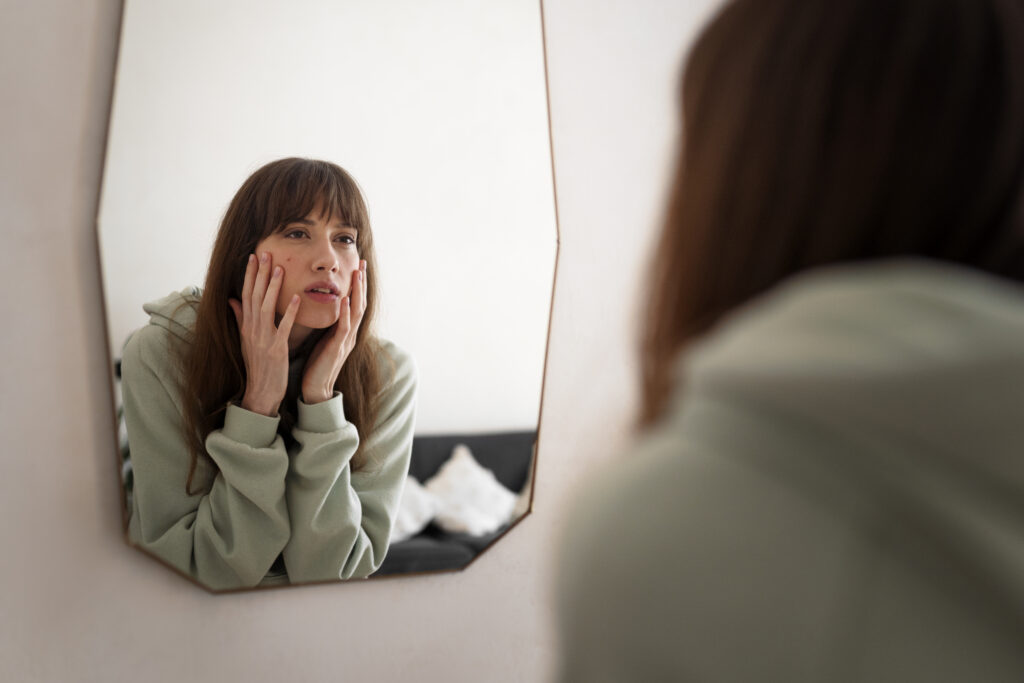
Everyone needs to feel valued and connected. The ideas below bring together 51 practical ways to support that need. You can begin with one or two habits, then add others as they start to feel natural.

Low Self-Esteem And Shyness: Start With Your Basic Needs
Low self-esteem and shyness often grow when your basic emotional needs go unmet. Therefore, building a steadier daily life can make confidence work easier and more realistic.
| Need | Helpful action |
|---|---|
| Attention | Give people your full focus by listening and observing. |
| Meaning and purpose | Value your roles as a student, parent, friend, or worker. |
| Connection | Make time for family, friends, and trusted colleagues. |
| Creativity | Add a small creative activity to your day. |
| Intimacy | Seek safe affection, warmth, and human closeness. |
| Control | Plan your day and face manageable challenges. |
| Status | Understand your place and responsibilities to reduce uncertainty. |
Know What You Are Experiencing
- Depression: Sadness that continues for weeks, often with low energy and motivation.
- Shyness: Awkwardness or insecurity when you are around other people.
- Social anxiety: A strong fear of being judged in social settings. The source describes it as affecting more than 5 million American adults.
- Low self-esteem: A negative view of yourself that may appear behind jokes, loud behavior, or constant effort to impress.
Low Self-Esteem And Shyness: Build Confidence Through Daily Habits
Low self-esteem and shyness respond well to repeated, simple practice. Furthermore, these habits help you notice progress instead of judging yourself by one difficult conversation or quiet day.
- Track your days: Note daily highs and lows so you can see patterns and changing viewpoints. This can help you recognize what affects your mood.
- List your strengths: Write down useful qualities and read them often.
- Choose hopeful thoughts: Replace “What if everything goes wrong?” with a more balanced possibility.
- Stop comparing: Measure your progress against your own past, not someone else’s public image.
- Change harsh self-talk: Replace “I’m stupid” with a fair statement about what you can learn.
- Use affirmations: Repeat brief, supportive statements several times during the day.
- Receive praise: Say “thank you” instead of rejecting or explaining away a compliment.
- Choose supportive people: Spend more time with people who encourage healthy growth.
- State your needs: Speaking up shows that your feelings and limits matter.
- Compliment others: Genuine praise can strengthen connection and generosity.
- Schedule fun: A weekly enjoyable activity can break monotony and support self-kindness.
Low Self-Esteem And Shyness In Social Life And Dating
Low self-esteem and shyness can make social contact feel risky. However, you do not need to become the loudest person in the room. Simple questions, patient listening, and small social goals can create real progress.
Conversation Skills That Reduce Pressure
- Ask easy questions: Try “How are you?” or “Where are you from?”
- Speak with one new person each day: A brief exchange still counts.
- Keep learning: New interests give you useful topics to discuss.
- Smile naturally: A warm expression can make you seem more approachable.
- Use comfortable eye contact: It can show interest and confidence without staring.
- Focus on the other person: Move the conversation from “I” toward “You,” and listen more than you speak.
Dating Ideas For Shy People
- Try online dating: Written messages may make the first contact less intense.
- Consider group dating: Several people can reduce the pressure of one-on-one attention.
- Use phone calls: A call can act as a bridge before meeting in person.
- Bring a trusted buddy: Familiar company may make social opportunities feel safer.
- Flirt in small ways: Smile, send a kind note, or give flowers when appropriate.
Low Self-Esteem And Shyness: Treatment And Positive Action
Low self-esteem and shyness may improve with self-help, yet professional support can offer added structure. Therefore, choose an option that matches your needs, and speak with a qualified health professional before using medication.
| Option | How it may help |
|---|---|
| Medication | Antidepressants such as Prozac, Zoloft, or Paxil may help some people. A doctor must guide this choice. |
| Hypnosis | Some people find it useful, but research providers and claims carefully. |
| Counseling | Therapy can teach lasting coping tools. Finding a good fit matters. |
| Coaching | Goal-based guidance takes a proactive approach to personal progress. |
| Meditation | Guided practice may help you reconnect with yourself. |
| Relaxation | Deep breathing and progressive muscle relaxation can ease anxious tension. |
Actions That Build Competence
- Take a class: Learning a skill creates competence and social contact.
- Join a gym: Exercise can support mood and provide chances to meet people.
- Walk daily: Walking offers a simple mind-body routine.
- Choose a hobby: A creative interest can strengthen identity and structure.
- Read self-help books: Structured ideas can support confidence building.
- Journal: Writing makes thoughts easier to notice. Awareness is the first step to change.
- Visualize success: Mentally rehearse a calm, positive outcome before an important event.
- Reward small wins: Celebrate effort, such as starting a conversation or attending a class.
- Help others: Kind actions can strengthen your sense of worth and connection.
- Make life pleasant: Use music, joy, and supportive people to improve your surroundings.
- Avoid drugs and alcohol: They can interfere with clear, authentic personal growth.
- Be yourself: Authenticity supports self-worth that does not depend on performance.
FAQ About Low Self-Esteem And Shyness
Low self-esteem and shyness usually change through steady practice rather than one quick solution. The following answers summarize the most useful points in this guide.
Can shyness and low self-esteem improve?
Yes. Small actions, supportive relationships, healthier self-talk, and professional guidance can help you build confidence over time. Progress may be gradual, so focus on repeated effort.
What should I try first?
Begin with one manageable habit. You might write one strength, take a walk, smile at someone, or ask a simple question. Once that feels easier, add another action.
When should I consider professional help?
Consider counseling or medical support when sadness, fear, or low confidence affects daily life, relationships, work, or motivation. A qualified professional can help you choose suitable care.
Is online dating helpful for shy people?
It may make first contact feel less intense because you can begin with messages. You can also try group settings, phone calls, or bringing a trusted friend as a gradual bridge.
What is the main goal?
The goal is not to change your personality. Instead, you can build self-respect, take part in meaningful activities, and feel more able to act even when you feel nervous.
A Practical Starting Point
Choose two actions today: write one positive quality and take a short walk, or start one brief conversation and accept a compliment. In time, these small choices can support stronger confidence and a kinder relationship with yourself.

Lamartine P is a health and wellness researcher focused on supplements, lifestyle, and evidence-based content. He analyzes products, studies market trends, and translates complex information into practical insights to help readers make informed decisions.