

Many people enjoy papaya and milk on their own, yet the combination may cause digestive discomfort for some. The possible dangers of combining papaya with milk usually involve bloating, gas, nausea, or a heavy feeling after eating. Your response may depend on digestion, allergies, and portion size.
Papaya offers fiber, antioxidants, vitamins A, C, and E, and papain, an enzyme linked with digestion. Milk provides protein, calcium, vitamins, and minerals. However, nutritious foods can still feel uncomfortable when eaten together, so your body’s signals deserve attention.
Discover How This Simple “Meal Plan” Change My Life
Why Papaya Supports A Balanced Diet
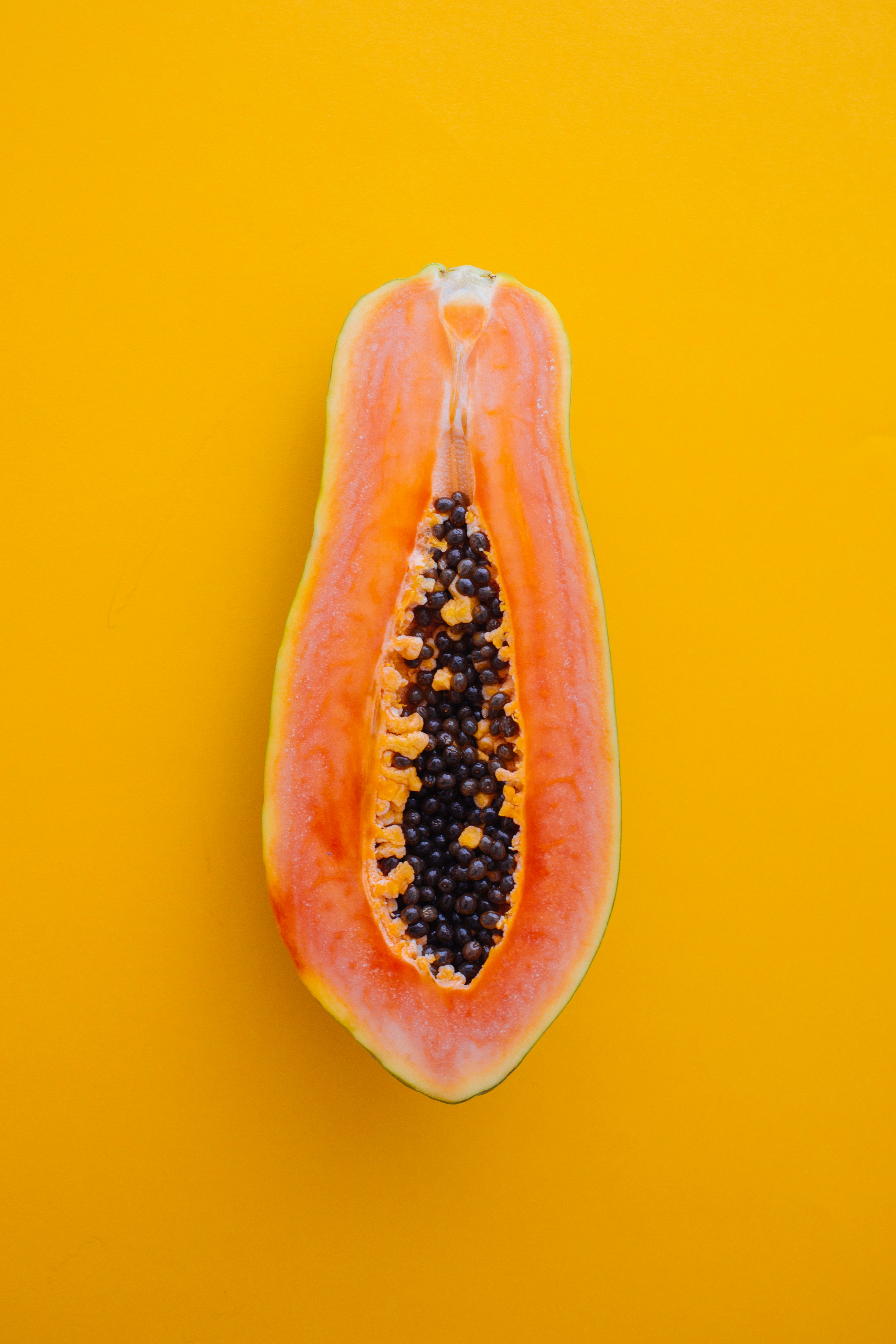
Papaya with milk can seem like a practical breakfast, but first consider what each food brings to your plate. Papaya contains fiber and plant compounds called antioxidants. These compounds help protect cells from everyday stress.
The fruit also contains papain, a digestive enzyme. Enzymes help break food into smaller parts during digestion. Furthermore, papaya supplies vitamins A, C, and E, which support general nutrition, skin health, and immune function.
- Fiber: Supports regular digestion.
- Vitamins A, C, and E: Add important nutrients to meals.
- Papain: An enzyme associated with the breakdown of food.
- Antioxidants: Help protect cells from damage caused by free radicals.
What Milk Adds To Your Meals
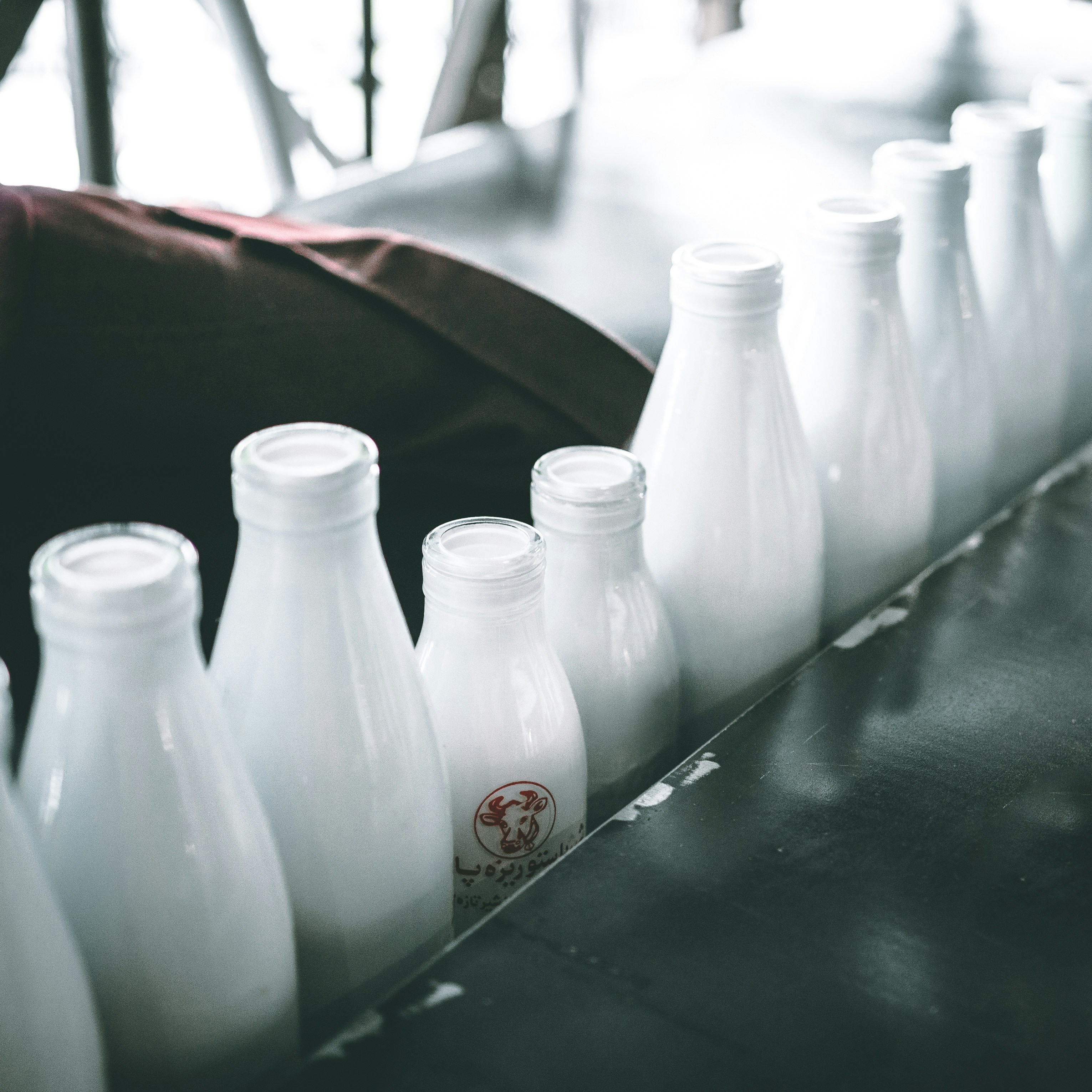
Milk with papaya is not automatically harmful for every person. Milk remains a useful source of calcium, protein, vitamins, and minerals. Calcium helps maintain strong bones, while protein supports the body’s normal repair and maintenance.
However, milk can trouble people who have lactose intolerance. This condition means the body has difficulty breaking down lactose, the natural sugar in milk. Gas, bloating, or loose stools may follow, whether or not papaya is present.
| Food | Main nutritional contribution | Possible concern |
|---|---|---|
| Papaya | Fiber, vitamins, antioxidants, and papain | May feel uncomfortable for sensitive digestion |
| Milk | Calcium, protein, vitamins, and minerals | Lactose may cause symptoms in some people |
Potential Dangers Of Combining Papaya With Milk
The main concern with papaya with milk is digestive discomfort. Papaya contains enzymes that may affect how milk behaves in the stomach. Some people report heaviness, gas, bloating, or nausea after consuming the pair.
These effects do not prove that the combination harms everyone. Instead, they show why individual tolerance matters. A small serving may feel fine for one person, while a larger portion may cause discomfort for another.
Curdling And A Heavy Feeling
Papaya may encourage milk to curdle before digestion is complete. Curdling means that milk proteins clump together. This change may create a heavy stomach feeling and may make the meal less comfortable to digest.
Gas, Bloating, And Nausea
When digestion feels unsettled, gas and bloating can occur. Some people may also experience nausea or an upset stomach. Therefore, avoid repeating the combination if symptoms appear each time you eat it.
Allergy And Food Sensitivity
Either papaya or milk can trigger a reaction in a sensitive person. Mild signs may include an itchy throat or stomach upset. Difficulty breathing requires urgent medical care, because it can signal a serious allergic reaction.
Food Myths And Traditional Views
Some traditional health systems discourage papaya with milk and describe the mixture as harmful or toxic. These views often come from long-held observations and cultural food rules. However, traditional claims and modern medical evidence do not always use the same standards.
That distinction helps you make a calmer choice. You can respect cultural practices while also watching your own symptoms and seeking qualified medical advice when reactions seem strong or repeated.
Discover How This Simple “Meal Plan” Change My Life
Could The Pair Affect Nutrient Use?
Another concern linked with papaya with milk involves nutrient absorption. Some food-combination claims suggest that incompatible foods may reduce the nutrients your body can use. The source of this concern is the way the two foods interact during digestion.
In practical terms, you may not notice a clear change in nutrient use after one meal. Still, building meals that feel comfortable can help you eat well more consistently. Your overall diet matters more than one food pairing.
- Notice how your stomach feels after the meal.
- Keep portions moderate when testing a combination.
- Do not ignore repeated or severe symptoms.
- Ask a health professional about ongoing digestive problems.
Gentler Ways To Enjoy Papaya
If papaya with milk does not suit you, you still have enjoyable options. These choices preserve papaya’s sweet flavor while reducing the chance of discomfort linked with regular milk.
Papaya With Yogurt
Try papaya with yogurt instead of liquid milk. Yogurt contains beneficial probiotics, which are helpful live microorganisms. This pairing offers a creamy texture and may feel easier for some people.
A Smoothie With Plant-Based Milk
Almond or coconut milk can create a smooth drink without using dairy milk. However, plant-based drinks vary in nutrition, so read the label if calcium or protein matters to your meal plan.
A Fresh Papaya Salad
Add papaya cubes to leafy greens, nuts, and other fruit. This simple salad keeps the fruit separate from dairy and adds color, fiber, and varied textures to your plate.

How To Respond To Your Body
Your experience with papaya with milk may differ from someone else’s. If you feel well after eating it, you may not need to avoid the combination. If you notice repeated discomfort, choose another pairing.
A food diary can help you identify patterns. Write down the foods you ate, the portion, and any symptoms that followed. Also note the timing, since this can help a health professional understand the problem.
| What you notice | A sensible response |
|---|---|
| Mild, occasional discomfort | Stop the combination and try a smaller, separate serving later. |
| Repeated gas or bloating | Choose a different pairing and discuss ongoing symptoms with a professional. |
| Itchy throat or swelling | Stop eating the food and seek medical guidance promptly. |
| Difficulty breathing | Seek emergency medical help immediately. |
Frequently Asked Questions About Papaya With Milk
Is Papaya With Milk Always Dangerous?
No. The potential dangers of combining papaya with milk are not the same for everyone. Some people may experience digestive symptoms, while others may tolerate the foods. Your history of allergy, lactose intolerance, and stomach sensitivity matters.
Why Can Papaya And Milk Feel Heavy?
Papaya contains enzymes that may contribute to early milk curdling. That change, along with lactose digestion issues, may produce a heavy feeling, gas, bloating, or nausea in some people.
Can I Eat Papaya With Yogurt Instead?
Many people choose yogurt as an alternative to milk. It provides a creamy texture and contains probiotics. Still, yogurt remains a dairy food, so avoid it if dairy causes you symptoms.
What Should I Do If I Feel Sick After Eating Them Together?
Stop the combination and monitor your symptoms. A food diary may reveal a pattern. Seek professional advice for repeated symptoms, and get urgent help for breathing problems or signs of a severe allergy.
A Practical Choice For Your Diet
Papaya and milk each offer valuable nutrients, yet papaya with milk may not feel comfortable for every digestive system. Choose yogurt, plant-based milk, or a fresh salad when you want a gentler option.
Most importantly, base your choice on your symptoms, portion size, and overall diet. With a little attention, you can continue enjoying papaya while making meals that support comfort and good nutrition.
Discover How This Simple “Meal Plan” Change My Life

Lamartine P is a health and wellness researcher focused on supplements, lifestyle, and evidence-based content. He analyzes products, studies market trends, and translates complex information into practical insights to help readers make informed decisions.