

If you are managing diabetes, your food choices can support steadier blood sugar and better overall health. Papaya for diabetes management may fit into a balanced eating plan because it provides fiber, vitamins, minerals, antioxidants, and digestive enzymes.
However, papaya still contains carbohydrates. Therefore, portion size and your personal glucose response matter. Use this fruit as part of your meal plan, not as a replacement for prescribed treatment or blood sugar monitoring.
Discover How This Simple “Meal Plan” Change My Life
Why Papaya May Fit a Diabetes-Friendly Diet
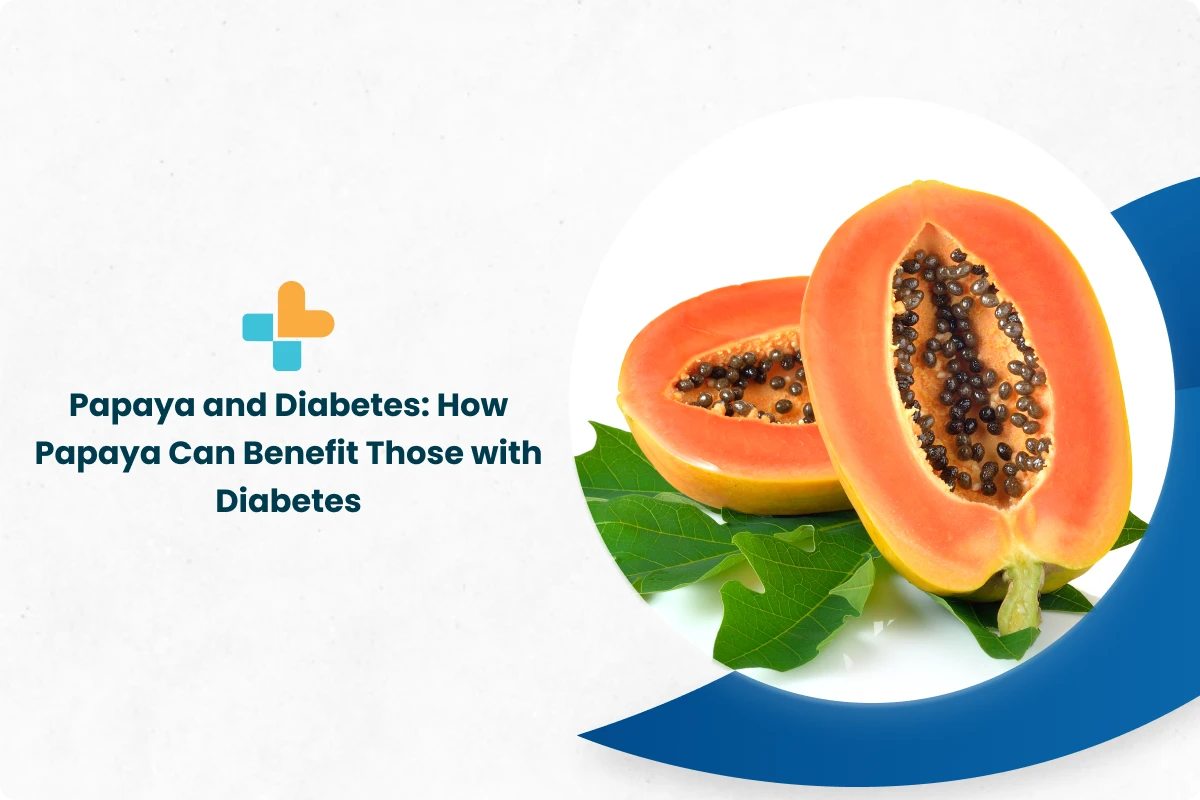
Papaya for diabetes management offers useful nutrients in a naturally sweet food. The fruit comes from Central America and now grows in many warm regions. Its orange flesh contains vitamins, minerals, fiber, and enzymes.
Nutritional Snapshot
A medium papaya weighs about 500 grams. The following figures describe the serving information provided for this fruit:
| Nutrient | Amount Per Serving |
|---|---|
| Calories | 200 |
| Carbohydrates | 50 grams |
| Fiber | 5 grams |
| Vitamin C | 150% of Daily Value |
| Vitamin A | 31% of Daily Value |
| Folate | 14% of Daily Value |
| Potassium | 10% of Daily Value |
Because a whole papaya contains carbohydrates, eating the entire fruit at once may not suit every meal plan. Instead, measure a practical portion and check how your body responds.
Antioxidants And Cellular Protection
Antioxidants are one reason papaya for diabetes management attracts attention. These compounds help protect cells from unstable molecules called free radicals, which can contribute to oxidative stress.
Why This Matters With Diabetes
Oxidative stress may contribute to inflammation and other health concerns linked with diabetes. Therefore, adding colorful fruits such as papaya can support a nutrient-rich eating pattern.
However, antioxidants do not cure diabetes. They work as part of a wider routine that may include medication, activity, glucose checks, sleep, and balanced meals.

Discover How This Simple “Meal Plan” Change My Life
Glycemic Index And Blood Sugar Response
Papaya for diabetes management also deserves attention because of its glycemic index, or GI. This scale estimates how quickly a carbohydrate food may raise blood sugar.
- Low GI: A score of 55 or below.
- Moderate GI: A score from 56 to 69.
- High GI: A score of 70 or more.
Papaya has a reported GI of about 60, placing it in the moderate range. Therefore, it may cause a steadier rise than many high-GI foods, although portion size and ripeness can still affect your result.
Pairing fruit with a source of protein or healthy fat may help create a more balanced snack. Your glucose meter or continuous monitor provides the most useful personal information.
Fiber For Digestion And Fullness
Fiber supports papaya for diabetes management by slowing digestion and helping you feel satisfied. Papaya provides about five grams of fiber in the listed medium-fruit serving.
What Fiber Can Do
- Support digestion: Fiber helps food move through the digestive system.
- Support glucose control: It can slow the movement of glucose into the bloodstream.
- Support weight goals: Fiber-rich foods may help you feel full for longer.
Furthermore, fiber works best when you drink enough fluid and eat a variety of plant foods. Gradually increasing fiber may feel more comfortable than making a sudden large change.

Vitamins And Minerals In Papaya
The vitamin content of papaya for diabetes management can complement a balanced diet. These nutrients support general wellness, but they should not be viewed as a substitute for diabetes care.
| Nutrient | Role In The Body |
|---|---|
| Vitamin C | Supports immune function and helps the body manage oxidative stress. |
| Vitamin A | Supports eye health and immune function. |
| Folate | Helps with cell division and DNA formation. |
| Potassium | Supports normal body functions and fluid balance. |
Eye health deserves special attention because diabetes can affect vision over time. A nutrient-rich diet, regular medical visits, and recommended eye checks can work together to protect your health.
Digestive Enzymes And Meal Comfort
Papaya for diabetes management may also support digestion because it contains enzymes such as papain and chymopapain. Enzymes help break down food into smaller parts that the body can process.
Papain helps break down proteins. Consequently, some people enjoy papaya as part of a meal when they want a light, refreshing food. Still, individual digestive symptoms vary, so notice how your body reacts.
Simple Ways To Add Papaya To Meals
You can use papaya for diabetes management in several practical ways. The best option depends on your carbohydrate target, appetite, and usual blood sugar pattern.
- Fruit salad: Combine a measured portion of papaya with berries or melon.
- Smoothie: Blend papaya with spinach, yogurt, and almond milk.
- Salsa: Mix diced papaya with onion, cilantro, and lime for chicken or fish.
- Frozen treat: Use papaya in fruit cups or homemade popsicles.
Choose plain yogurt rather than a heavily sweetened variety when possible. Also, avoid adding sugar, syrup, or sweet drinks, since these extras can raise the total carbohydrate load.
Safety, Portions, And Personal Response
When using papaya for diabetes management, keep portions moderate and consider the full meal. A food can offer valuable nutrients while still affecting blood sugar because it contains carbohydrates.
Important Considerations
- People with papaya allergies should avoid the fruit.
- Those with latex allergies may also react to papaya because of similar proteins.
- Stop eating it and seek medical advice if unusual symptoms appear.
- Track your glucose response when adding papaya to your routine.
- Ask your health professional how fruit fits your medication and meal plan.
:max_bytes(150000):strip_icc()/Health-Papaya-Purple-horizontal--0f58ba1170bd4867b99263021965aaa0.jpg "The Benefits of Papaya for Diabetes Management")
What Research And Tradition Suggest
Traditional medicine has used papaya in different cultures for digestive concerns and inflammation. Today, researchers continue to study papaya for diabetes management and its possible effects on blood sugar, cholesterol, and metabolic health.
However, more research is needed before experts can make firm claims about papaya treating diabetes. Therefore, enjoy it for its nutrition while continuing your prescribed care plan.
Frequently Asked Questions About Papaya For Diabetes Management
Is Papaya Good For People With Diabetes?
Papaya can fit a diabetes-friendly diet when you eat a suitable portion. It provides fiber and nutrients, but its carbohydrates still count toward your meal plan.
Can Papaya Lower Blood Sugar?
Papaya should not be treated as a blood sugar-lowering remedy. Its moderate GI and fiber content may support a balanced eating pattern, yet glucose results differ from person to person.
How Much Papaya Can You Eat?
Your ideal portion depends on your carbohydrate target, medication, and glucose response. A registered dietitian or diabetes care team can help you choose an amount that fits your plan.
Can You Drink Papaya In A Smoothie?
Yes, but measure the fruit and avoid added sugar. Pairing papaya with yogurt, spinach, and unsweetened almond milk can create a more balanced drink than using juice or sweetened dairy.
Is Papaya Safe For Everyone?
Most people tolerate papaya, but allergies can occur. People with latex allergies may face a higher risk of reaction. Seek professional advice if you notice itching, swelling, breathing trouble, or other unusual symptoms.
A Balanced Way To Enjoy Papaya
Papaya for diabetes management can be a flavorful addition to meals that contain fiber, vitamins, minerals, and antioxidants. Its moderate GI may make it a better choice than many high-GI sweets.
Even so, the fruit works best within a complete plan. Combine a measured serving with protein, healthy fats, vegetables, regular monitoring, and medical guidance. That approach lets you enjoy papaya while staying focused on safer blood sugar management.
Discover How This Simple “Meal Plan” Change My Life

Lamartine P is a health and wellness researcher focused on supplements, lifestyle, and evidence-based content. Enthusiastic researcher and content creator specializing in evidence-based supplement reviews. With over 4 years of experience analyzing dietary supplements. He analyzes products, studies market trends, and translates complex information into practical insights to help readers make informed decisions.
Affiliate disclosure: This review may contain affiliate links. If you purchase a product through one of these links, we may receive a commission at no additional cost to you. This does not affect the price you pay or the standards we use when reviewing products.
Medical disclaimer: The products discussed on this website are dietary supplements and are not intended to diagnose, treat, cure, or prevent any disease. These products are not substitutes for professional medical advice or prescribed treatments. Always consult a qualified healthcare professional before starting any new supplement, especially if you have a medical condition, are pregnant or breastfeeding, or take prescription medications.