


Vegan salmon is moving from a bold idea toward a more practical food option. Revo Foods and Paleo are combining precision fermentation with 3D printing to create a fish-free alternative designed to resemble salmon in color, taste, and texture. Their work could transform the vegan food market.
The project brings together Paleo, a Belgian food technology company, and Vienna-based Revo Foods. Furthermore, the European Union is supporting their research with €2.2 million in funding. This partnership aims to improve a vegan salmon product while reducing reliance on animal-based seafood.
Why Revo Foods And Paleo Make Waves
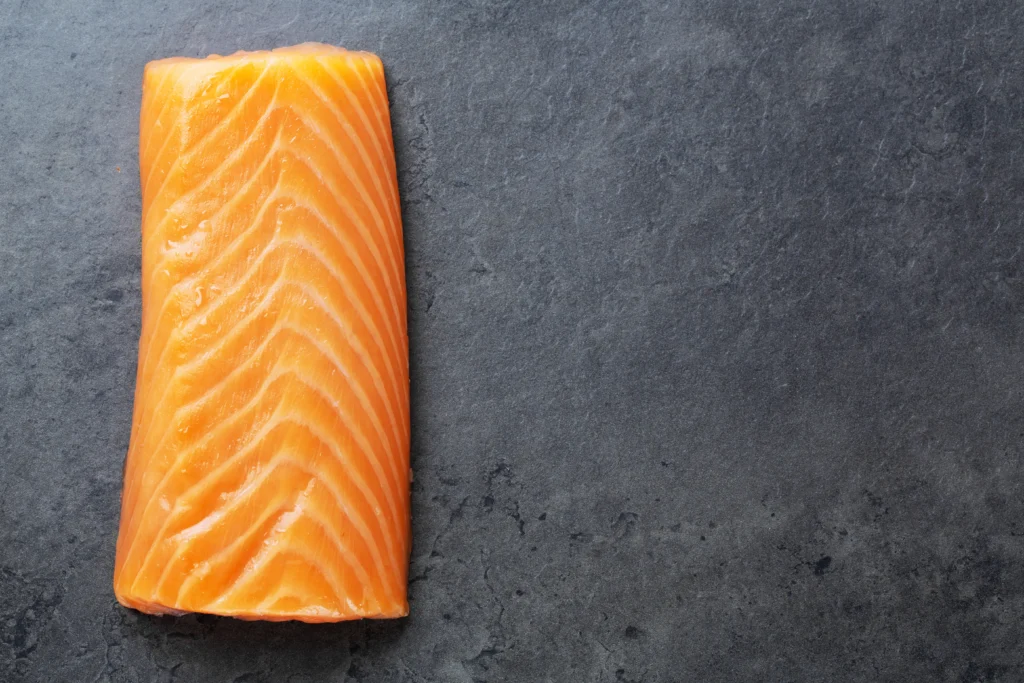
Vegan salmon sits at the center of this collaboration. Paleo contributes its precision fermentation system, while Revo Foods applies food-grade 3D printing. Together, the companies are working to reproduce important features of traditional salmon without using animals.
The two-year project was scheduled to begin in August 2024. Its stated focus is to improve the product’s appearance and nutritional value. However, development work still involves testing, refinement, and careful quality checks.
- Revo Foods: Uses 3D printing to shape food ingredients.
- Paleo: Produces myoglobin through precision fermentation.
- European Union: Provides €2.2 million through the Eureka Eurostars program.
How Vegan Salmon Technology Works
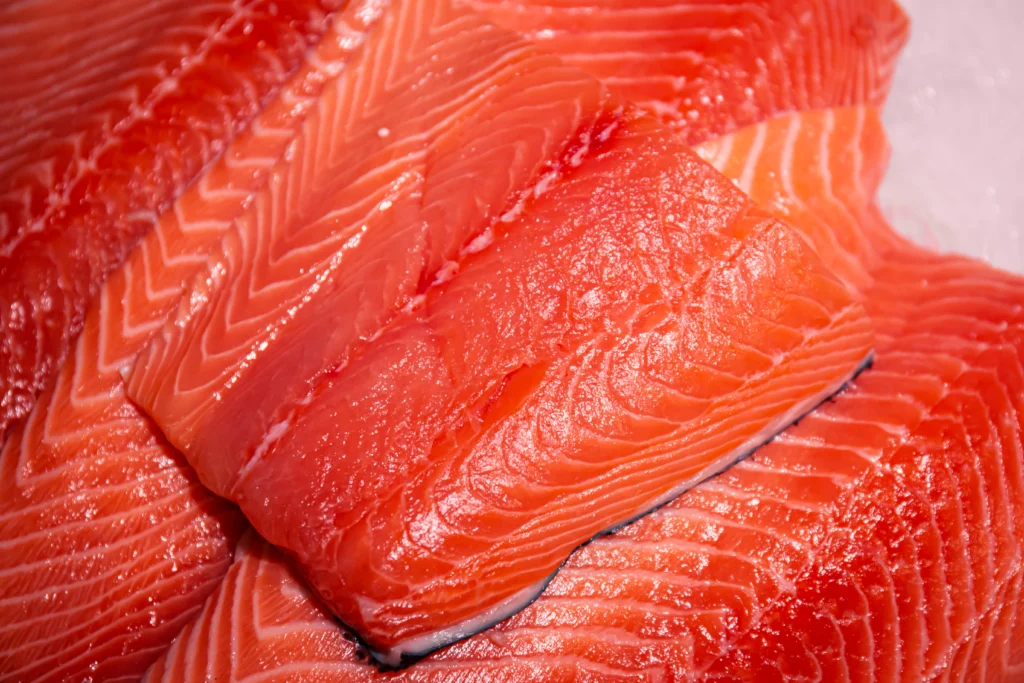
Vegan salmon depends on two linked methods: precision fermentation and 3D printing. Each method has a different job. Fermentation creates a key protein, while printing helps arrange the ingredients into a more realistic fillet.
Precision Fermentation Creates Myoglobin
Paleo uses yeast in a controlled setting to produce myoglobin. Myoglobin is a protein linked with the color and flavor associated with meat and fish. In this project, the ingredient is made without animal-derived materials or transgenic methods.
Therefore, the process supports a cruelty-free product approach. The source material also describes the resulting product as GMO-free. Still, shoppers should check the final package label for current ingredients and nutrition details.
3D Printing Shapes The Fillet
Revo Foods uses 3D printing to place proteins, fats, and other ingredients with precision. This allows the company to build a structure that aims to feel and look more like salmon than a simple blended substitute.
The company planned to open the “TASTE FACTORY” in Vienna in September 2024. The facility was described as the world’s largest 3D food-printing site, offering expanded space for this type of production.
What The European Union Funding Supports
Vegan salmon research receives a major boost from the European Union’s €2.2 million award. The money comes through Eureka Eurostars, an initiative that supports joint research and development projects involving small and medium-sized businesses.
Funding can help the partners improve production methods, test formulations, and address technical barriers. In addition, it may support work needed to make the product more consistent and commercially practical.
| Project detail | Reported information |
|---|---|
| Funding | €2.2 million |
| Funding program | Eureka Eurostars |
| Planned start | August 2024 |
| Planned duration | Two years |
Environmental And Nutrition Considerations
Vegan salmon may help reduce pressure on marine resources because it does not require fish farming or wild fish capture. The project therefore addresses concerns linked with pollution, resource use, and damage to marine ecosystems.
However, environmental performance depends on the full production system. Energy use, ingredients, packaging, transport, and manufacturing scale all matter. The partnership’s stated goal is to create a more sustainable alternative, not to provide a complete environmental measurement at this stage.
The product is also described as a source of protein and iron. These nutrients support normal diet needs, especially for people reducing animal foods. Yet exact amounts were not provided, so you should rely on the final nutrition label rather than assume it matches conventional salmon.
For broader diet guidance, readers can review information about a healthy diet and balanced food choices.
Benefits And Limits For Shoppers
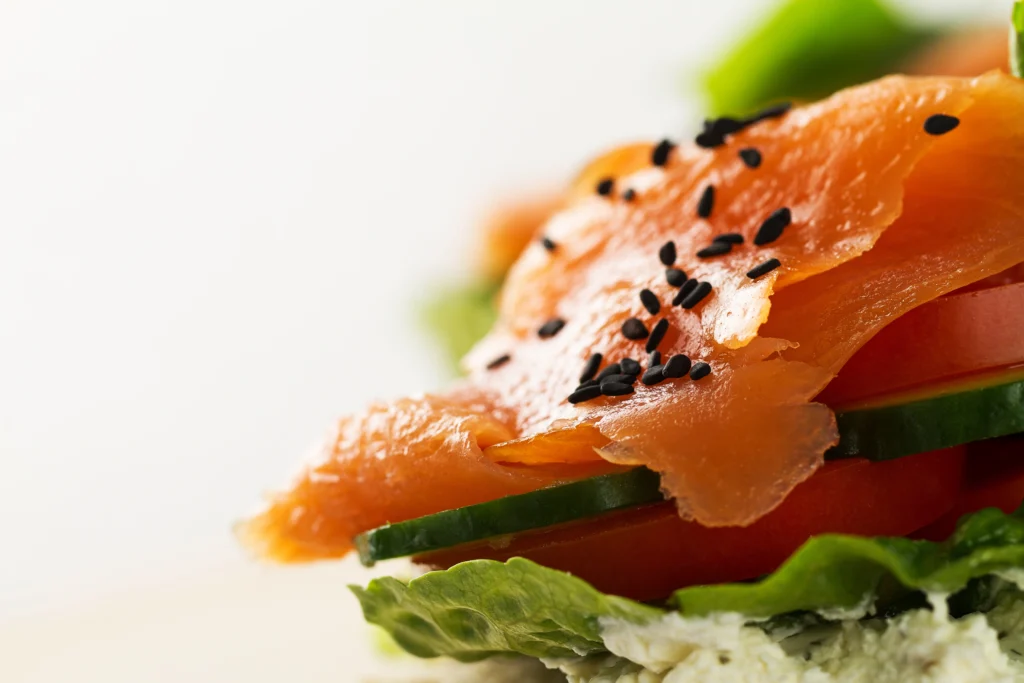
Vegan salmon could appeal to people who want the familiar role of salmon in meals while avoiding animal seafood. Furthermore, its structured format may work well in dishes that traditionally use a fillet.
| Potential advantages | Current limitations |
|---|---|
| 100% vegan and cruelty-free approach | Advanced production may cost more |
| Uses fermentation and 3D printing | Flavor and texture need further testing |
| May reduce pressure on natural resources | Research and development remain necessary |
| Described as containing protein and iron | Exact nutrition figures are not provided |
Ultimately, taste, price, availability, and labeling will shape buying decisions. If you follow a vegan diet, check for allergen information and preparation guidance. Also, compare the nutrition panel with your personal dietary needs.
Challenges And Market Potential
Vegan salmon must overcome several practical hurdles before it can reach a broad audience. Production costs may remain high because the technology requires specialized equipment, skilled research, and careful ingredient control.
Technical Obstacles
Creating myoglobin with the right color and flavor is complex. Small changes can affect the final food. Likewise, 3D printing must combine different ingredients evenly to maintain a reliable texture from one product to the next.
Consumer Acceptance
Many shoppers want food that is healthy, sustainable, and enjoyable. However, a new product must still meet expectations for taste, smell, appearance, and cooking performance. The growing interest in vegan foods gives this project a promising market opportunity.
Consumer demand alone cannot guarantee success. The product must also become affordable, widely available, and easy to understand. More research may help close that gap.
Key Points About Vegan Salmon
- Partnership: Revo Foods and Paleo are combining different food technologies.
- Funding: The European Union is providing €2.2 million.
- Protein development: Paleo uses yeast-based precision fermentation to make myoglobin.
- Food structure: Revo Foods uses 3D printing to shape the product.
- Potential benefits: The approach may reduce animal use and pressure on marine resources.
- Remaining work: Cost, consistency, flavor, and texture still require attention.
Vegan Salmon Project Summary
| Feature | Expected contribution |
|---|---|
| Revo Foods and Paleo partnership | Joint development of an alternative to traditional salmon |
| €2.2 million EU support | More resources for research and product refinement |
| Precision fermentation | Myoglobin production without animal-derived ingredients |
| 3D food printing | Structured appearance and texture similar to a salmon fillet |
| TASTE FACTORY in Vienna | Planned facility for larger-scale 3D food production |
Frequently Asked Questions About Vegan Salmon
What Is The Revo Foods And Paleo Product?
It is a proposed alternative to traditional salmon made with precision fermentation and 3D printing. The project aims to avoid animal use while reproducing familiar salmon characteristics.
What Does Myoglobin Do?
Myoglobin helps create the color and flavor associated with meat and fish. Paleo plans to produce it with yeast through precision fermentation.
How Does 3D Printing Help?
3D printing places ingredients in a controlled pattern. This can help combine proteins and fats into a shape and texture closer to a conventional fillet.
Is The Product Suitable For A Vegan Diet?
The project describes the product as 100% vegan and free from animal-derived ingredients. Always review the final label because recipes and manufacturing details can change.
What Are The Main Challenges?
The key issues include production cost, ingredient integration, texture, flavor, and customer acceptance. Continued research is intended to improve these areas.
When Was The Project Scheduled To Begin?
The project was scheduled to start in August 2024 and last two years. Its planned work included product development and improvements in production quality.
Revo Foods and Paleo show how food science can support more sustainable choices. Their work joins fermentation, 3D printing, and European funding in one ambitious project. Although important questions remain, the approach offers a promising path for people seeking alternatives to animal seafood.
For more reading on balanced choices, see guidance about heart-healthy foods, nutrition, and sustainable eating.

Lamartine P is a health and wellness researcher focused on supplements, lifestyle, and evidence-based content. Enthusiastic researcher and content creator specializing in evidence-based supplement reviews. With over 4 years of experience analyzing dietary supplements. He analyzes products, studies market trends, and translates complex information into practical insights to help readers make informed decisions.
Affiliate disclosure: This review may contain affiliate links. If you purchase a product through one of these links, we may receive a commission at no additional cost to you. This does not affect the price you pay or the standards we use when reviewing products.
Medical disclaimer: The products discussed on this website are dietary supplements and are not intended to diagnose, treat, cure, or prevent any disease. These products are not substitutes for professional medical advice or prescribed treatments. Always consult a qualified healthcare professional before starting any new supplement, especially if you have a medical condition, are pregnant or breastfeeding, or take prescription medications.