

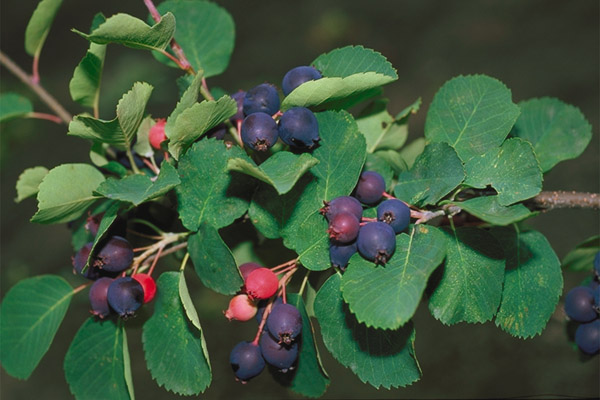
Shadberry, also called Saskatoon berry or serviceberry, is a small blue fruit with a useful mix of vitamins, minerals, fiber, and plant compounds. Although it receives less attention than apples or bananas, adding it to a balanced diet may support several parts of your well-being.
Its value comes from more than its sweet flavor. Shadberry provides nutrients linked with immune function, vision, digestion, heart health, bones, and healthy weight goals. However, you should treat it as a nourishing food-not as a medicine or a stand-alone cure.
Discover How This Simple “Meal Plan” Change My Life
Shadberry Nutrition At A Glance
Shadberry offers a range of nutrients in a modest serving. Vitamin C supports normal immune activity and helps the body maintain healthy skin. Vitamin A also contributes to normal vision and healthy body tissues.
Furthermore, the fruit supplies minerals such as iron and calcium. Iron helps the body make hemoglobin, the protein that carries oxygen in red blood cells. Calcium supports bones and teeth, although one fruit cannot provide all your daily needs.
| Nutrient | Amount Per 100g |
|---|---|
| Vitamin C | 3.3mg |
| Vitamin A | 11 IU |
| Iron | 1.4mg |
| Calcium | 42mg |
- Vitamin C: Supports immune defenses and skin health.
- Vitamin A: Helps maintain normal vision and body tissues.
- Iron: Plays a role in oxygen transport.
- Calcium: Helps support bones and teeth.
Shadberry And Heart-Friendly Eating
Shadberry may fit well into a heart-conscious eating pattern because it contains potassium and fiber. Potassium helps maintain fluid balance in the body. It also supports healthy blood pressure when combined with an overall nutritious diet.
Fiber supports regular digestion and may help manage cholesterol levels. Therefore, choosing fiber-rich foods such as berries, vegetables, beans, and whole grains can support broader cardiovascular goals.
Still, eating shadberry does not replace prescribed treatment. If you have high blood pressure, high cholesterol, or heart disease, follow your clinician’s advice and use fruit as one part of your meal plan.
Discover How This Simple “Meal Plan” Change My Life
Shadberry Antioxidants And Cell Protection
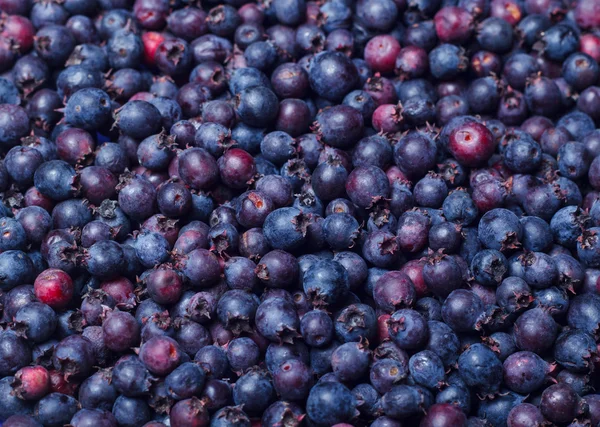
Shadberry contains antioxidants, including anthocyanins. These natural plant pigments help create the fruit’s deep blue color. Antioxidants help protect cells from oxidative stress, which occurs when unstable molecules affect normal cell function.
Because of this activity, shadberry is often discussed in relation to long-term wellness and cell protection. However, antioxidant-rich food should not be described as a cancer treatment. No single berry can prevent or cure cancer.
A practical approach is to enjoy different colorful fruits and vegetables throughout the week. This choice gives you a wider range of plant compounds while supporting a balanced diet.
Shadberry For Cell Function And Blood Health
Shadberry also contains B vitamins, which help the body use food for energy. These nutrients support cell metabolism, meaning the chemical work cells perform to maintain normal function.
Some B vitamins also take part in red blood cell production. Consequently, including nutrient-dense foods in your meals may help support normal blood health. Yet persistent tiredness, pale skin, or weakness requires medical advice rather than a food-based solution alone.
- Pair shadberry with plain yogurt for a simple snack.
- Add it to oatmeal for more flavor and texture.
- Mix it with other fruit in a balanced breakfast.
- Use it as one part of a varied meal pattern.
Shadberry For Bones, Teeth, And Vision
Shadberry contributes minerals and vitamin A, so it can complement meals designed to support bones, teeth, and eye health. Iron and other minerals play roles in body structure and normal function.
Vitamin A supports normal vision. The fruit also contains plant compounds associated with eye health, including lutein and zeaxanthin. These are carotenoids, or natural pigments found in some plants and human tissues.
However, eating shadberry alone cannot prevent conditions such as cataracts or age-related macular degeneration. Regular eye checks, sun protection, and a balanced diet remain important.
| Health Area | How Shadberry May Fit |
|---|---|
| Vision | Provides vitamin A and plant compounds linked with eye health. |
| Bones and teeth | Contributes calcium and other minerals to the diet. |
| Cell activity | Provides B vitamins involved in metabolism. |
Shadberry For Weight Goals And Digestion
Shadberry may support weight-management goals because fruit can provide fiber with relatively few calories. Fiber adds bulk to meals and may help you feel satisfied for longer periods.
As a result, replacing a highly processed snack with a serving of fruit may help reduce unnecessary snacking. The benefit depends on the full meal, portion size, and your daily energy needs.
For better results, combine shadberry with protein and other high-fiber foods. For example, berries with unsweetened yogurt or oats can create a more filling choice than a sugary snack.
Shadberry And Mental Well-Being
Shadberry has also been linked with possible support for memory, mood, and anxiety through its plant compounds. These effects should be viewed carefully because food cannot replace professional care for depression, anxiety, or other mental health concerns.
Nevertheless, a nourishing diet can support general health, and general health may affect how you feel each day. Good sleep, regular movement, social support, and qualified medical guidance remain central to mental well-being.
How To Add Shadberry To Your Routine
Shadberry works best as part of a varied eating pattern. You can use fresh or prepared berries in familiar meals, depending on what is available to you.
- Stir berries into oatmeal or whole-grain cereal.
- Serve them with yogurt for breakfast.
- Add them to a fruit bowl or snack plate.
- Blend them into a smoothie with other whole foods.
Moderation still matters. If you have food allergies, digestive concerns, or a medical condition that affects your diet, speak with a qualified health professional before making major changes.
Frequently Asked Questions About Shadberry
Shadberry can be a flavorful way to add fruit, fiber, vitamins, minerals, and antioxidants to your meals. The answers below explain how to use its potential benefits realistically.
What Is Shadberry?
Shadberry is another name used for Saskatoon berries or serviceberries. The fruit is known for its blue color and its supply of nutrients and plant compounds.
What Are The Main Benefits Of Shadberry?
Shadberry may support a balanced diet by providing vitamin C, vitamin A, iron, calcium, potassium, fiber, B vitamins, and antioxidant compounds. Its benefits depend on your full eating pattern.
Can Shadberry Prevent Cancer?
No. Shadberry contains antioxidants, including anthocyanins, but it cannot prevent or treat cancer on its own. Use medical screening and professional care for cancer prevention and treatment decisions.
Can Shadberry Help With Weight Loss?
It may help support weight goals because its fiber can improve fullness. However, weight change depends on total food intake, activity, sleep, health status, and other personal factors.
Is Shadberry Good For Eye Health?
Shadberry provides vitamin A and plant compounds such as lutein and zeaxanthin. These nutrients can support a healthy diet for vision, but they do not replace eye exams or treatment.
The Practical Takeaway On Shadberry
Shadberry is a promising addition to a varied diet because it combines a pleasant fruit flavor with fiber, vitamins, minerals, and colorful plant compounds. Therefore, it can support healthy meal choices without becoming the sole focus of your nutrition.
Enjoy it with other fruits, vegetables, whole grains, and protein foods. With that balanced approach, shadberry can add both taste and nutritional value to everyday meals.
Discover How This Simple “Meal Plan” Change My Life

Lamartine P is a health and wellness researcher focused on supplements, lifestyle, and evidence-based content. Enthusiastic researcher and content creator specializing in evidence-based supplement reviews. With over 4 years of experience analyzing dietary supplements. He analyzes products, studies market trends, and translates complex information into practical insights to help readers make informed decisions.
Affiliate disclosure: This review may contain affiliate links. If you purchase a product through one of these links, we may receive a commission at no additional cost to you. This does not affect the price you pay or the standards we use when reviewing products.
Medical disclaimer: The products discussed on this website are dietary supplements and are not intended to diagnose, treat, cure, or prevent any disease. These products are not substitutes for professional medical advice or prescribed treatments. Always consult a qualified healthcare professional before starting any new supplement, especially if you have a medical condition, are pregnant or breastfeeding, or take prescription medications.