

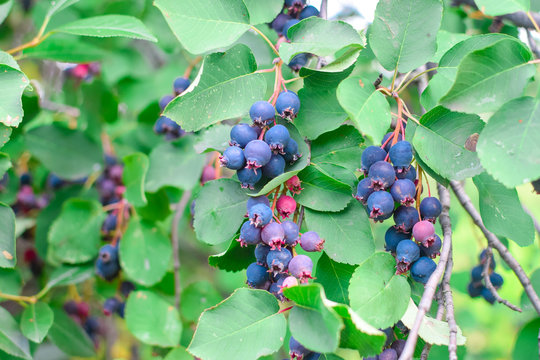
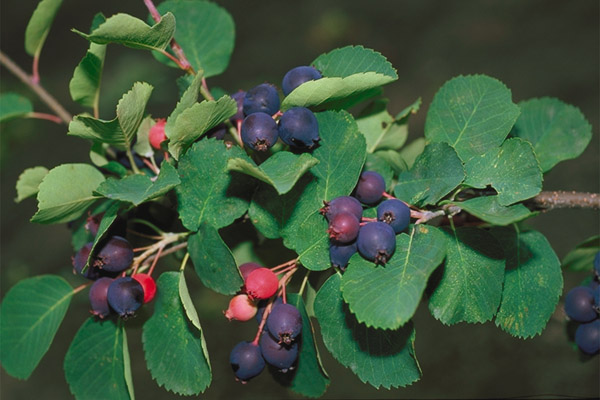
Shadberry, also called Juneberry or serviceberry, is a small North American fruit with a sweet, lightly nutty taste. It can add variety to your meals while providing nutrients linked with antioxidant protection, heart health, immune support, and healthy aging.
You can eat this berry fresh, bake with it, or use it in jams, juices, and wine. However, food should support-not replace-medical care. If you have diabetes, heart disease, or another condition, speak with your health professional before changing your diet.
What Is Shadberry?
Shadberry is a native North American fruit that has gained attention in other parts of the world. Its names include Juneberry and serviceberry. Although the fruit looks simple, its nutrient profile makes it an appealing choice for a balanced eating plan.
A Sweet, Nutty Flavor
Fresh Shadberry has a mild sweetness with a subtle nut-like note. You can enjoy it raw, add it to baked foods, or turn it into preserves. Some people also use it in homemade wine and fruit drinks.
Its flexible flavor makes it easy to include in everyday meals. Try it with breakfast foods, mix it into a dessert, or use it as a colorful topping. Therefore, the fruit offers both taste and dietary variety.
Discover How This Simple “Meal Plan” Change My Life
Potential Shadberry Health Benefits
Shadberry may support several areas of wellness because it contains antioxidants, fiber, potassium, and vitamin C. These nutrients can contribute to normal body functions, although eating the fruit cannot guarantee disease prevention or treatment.
| Potential benefit | Why it matters |
|---|---|
| Antioxidant support | Helps the body manage cellular stress caused by free radicals. |
| Heart-friendly nutrition | Fiber, potassium, and vitamin C can fit within a heart-conscious diet. |
| Immune support | Vitamin C contributes to normal immune function. |
| Healthy aging | Antioxidant-rich foods may support skin and overall wellness over time. |
Antioxidant Protection
Antioxidants are compounds that help protect cells from damage linked with free radicals. Free radicals are unstable molecules created by normal body processes and environmental pressures.
Adding antioxidant-rich foods such as Shadberry to a varied diet can support the body’s natural defenses. Furthermore, one fruit works best as part of a wider pattern that includes vegetables, whole grains, legumes, and other fruits.
Heart Health Support
Shadberry contains fiber, potassium, and vitamin C, which are useful nutrients in a balanced heart-supportive diet. Fiber can help support healthy cholesterol management, while potassium plays a role in normal blood pressure regulation.
However, the fruit should not be viewed as a cure for heart disease. A heart-conscious lifestyle also includes suitable physical activity, regular medical checks, and attention to blood pressure and cholesterol.
Immune System Support
Vitamin C helps the immune system function normally. Including foods that provide this vitamin may therefore support everyday wellness, especially when your overall diet lacks variety.
Still, no single food can prevent every infection. Good sleep, hand hygiene, recommended vaccines, and professional care remain important parts of immune health.
Healthy Aging
The antioxidant content associated with Shadberry may make it a useful part of an aging-friendly diet. Antioxidant-rich foods can complement habits that support skin, joints, eyes, and brain health.
These benefits should be understood as nutritional support rather than a promise of younger-looking skin or protection from every age-related condition. Consistency across your whole lifestyle matters more than one ingredient.
Discover How This Simple “Meal Plan” Change My Life
Shadberry And Common Health Concerns
Shadberry may fit into eating plans focused on blood sugar, cardiovascular health, and long-term wellness. Nevertheless, it should complement treatment rather than replace prescribed medicine or advice from a qualified clinician.
Blood Sugar And Type 2 Diabetes
The fruit is described as having a low glycemic index, which means its carbohydrates may enter the bloodstream more slowly than those in high-glycemic foods. This pattern may help reduce a rapid rise in blood glucose.
Portion size still matters. Jams, juices, pies, and sweetened drinks may contain added sugar and can affect blood glucose differently from whole fruit. If you use insulin or diabetes medicine, ask your care team how to include it safely.
Cardiovascular Wellness
Fiber-rich foods can support healthy cholesterol levels, and Shadberry provides fiber along with potassium and vitamin C. For that reason, it may work well in a broader eating pattern designed to support cardiovascular health.
Yet diet alone cannot treat blocked arteries, high blood pressure, or other heart conditions. Seek urgent help for chest pain, severe shortness of breath, fainting, or sudden weakness.
Cancer Prevention Claims
Antioxidants have attracted interest because they help protect cells from oxidative stress. However, Shadberry is not a cancer cure, and eating it cannot ensure protection from cancer.
Use it as one part of a healthful diet, while following screening guidance and medical advice. Anyone with cancer should discuss nutrition changes with an oncology team before relying on food-based approaches.
How Much Shadberry Should You Eat?
Shadberry can be enjoyed fresh or used in pie, jam, wine, and juice. A practical serving pattern is one to two servings daily, as suggested in the source guidance, while keeping the rest of your meals balanced.
- Fresh: Eat it on its own or add it to breakfast.
- Baked: Use it in pies or other recipes.
- Preserved: Choose jams carefully because they may contain added sugar.
- Blended: Pair it with other whole foods rather than relying on sweet drinks.
Start with a modest portion if the fruit is new to you. Also, wash fresh produce well and avoid unfamiliar wild berries unless an experienced source has identified them correctly.
Why Add Shadberry To Your Eating Plan?
Shadberry offers a pleasant way to increase fruit variety while adding nutrients associated with antioxidant, heart, immune, and healthy-aging support. Its sweet flavor also makes nutritious meals more enjoyable.
| What you want | How the fruit may help |
|---|---|
| More fruit variety | Its sweet, nutty taste differs from common berries. |
| Antioxidant-rich choices | It provides compounds linked with cellular protection. |
| Flexible meal options | You can eat it fresh or use it in baked and preserved foods. |
| A balanced wellness plan | It can complement other nutrient-dense foods and healthy habits. |
Therefore, adding this fruit may be a simple and enjoyable change. The strongest results come from consistent habits, not from treating one food as a miracle solution.
Frequently Asked Questions About Shadberry
What Is Shadberry Also Called?
Shadberry is also known as Juneberry or serviceberry. It is a North American fruit that has become familiar in other regions because of its flavor and culinary uses.
What Does Shadberry Taste Like?
It has a sweet flavor with a mild nutty quality. You can eat it raw or use it in pies, jams, juices, and wine.
Can Shadberry Cure Diabetes?
No food should be promoted as a cure for diabetes. Its low-glycemic description and fiber content may make it suitable for some balanced meal plans, but diabetes management requires individual medical guidance.
Can It Prevent Cancer?
Shadberry contains antioxidants, but it cannot guarantee cancer prevention or treatment. Continue recommended screenings and speak with a qualified health professional about any cancer concern.
How Often Can You Eat It?
The suggested amount is one to two servings per day. Your ideal portion depends on your overall diet, health needs, and the form you choose, since sweetened products may contain extra sugar.
With its appealing taste and useful nutrients, Shadberry can be a positive addition to a varied diet. Enjoy it as part of everyday healthy choices, and seek professional advice when managing a medical condition.
Discover How This Simple “Meal Plan” Change My Life

Lamartine P is a health and wellness researcher focused on supplements, lifestyle, and evidence-based content. Enthusiastic researcher and content creator specializing in evidence-based supplement reviews. With over 4 years of experience analyzing dietary supplements. He analyzes products, studies market trends, and translates complex information into practical insights to help readers make informed decisions.
Affiliate disclosure: This review may contain affiliate links. If you purchase a product through one of these links, we may receive a commission at no additional cost to you. This does not affect the price you pay or the standards we use when reviewing products.
Medical disclaimer: The products discussed on this website are dietary supplements and are not intended to diagnose, treat, cure, or prevent any disease. These products are not substitutes for professional medical advice or prescribed treatments. Always consult a qualified healthcare professional before starting any new supplement, especially if you have a medical condition, are pregnant or breastfeeding, or take prescription medications.