

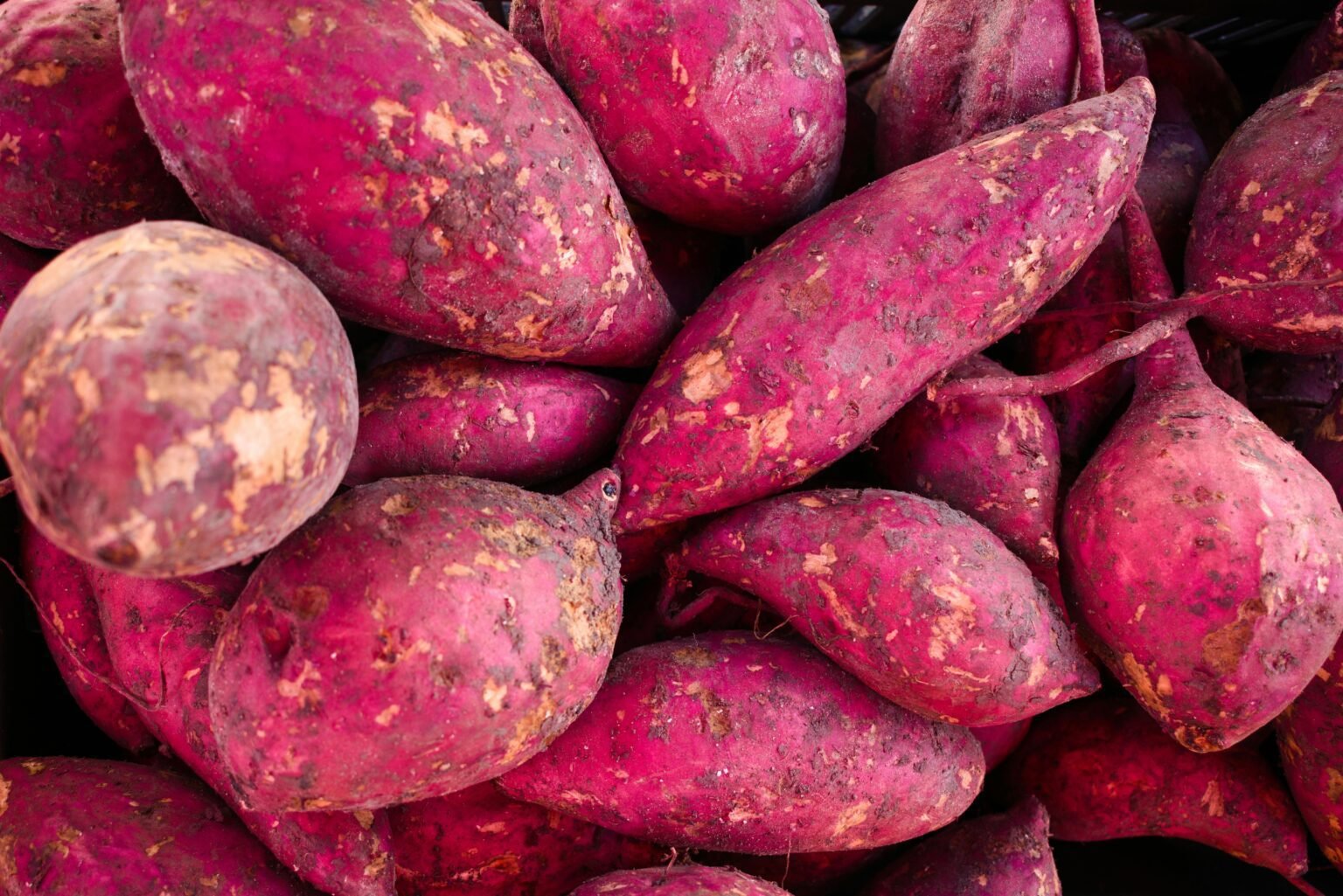
Sweet potato can support your goals for better training, steady energy, and weight control, but it is not a magic food. Its fiber, vitamins, minerals, and useful carbohydrate content make it a strong choice within a balanced eating plan.
However, no single food causes weight loss on its own. The value of sweet potato comes from how it may improve fullness, support exercise, and add important nutrients to your meals.
The Health Benefits of Sweet Potato
Sweet potato provides several nutrients that help your body function well. It contains dietary fiber, some protein, vitamins A, E, C, K, and B vitamins, plus minerals such as zinc, calcium, magnesium, iron, manganese, and potassium.

These nutrients support a varied diet. Furthermore, the food works well in meals for active people because it supplies carbohydrate, the body’s main fuel during many forms of exercise.
| Nutrient or feature | Why it matters in your diet |
|---|---|
| Dietary fiber | May help you feel full and supports normal intestinal function. |
| Carbohydrates | Provide energy for daily activity and training. |
| Beta-carotene | Acts as a precursor to vitamin A, which supports eye health. |
| Minerals | Contribute to several normal body processes. |
Does Sweet Potato Help You Lose Weight?
Sweet potato may help with weight management because cooked versions have a medium glycemic index of 63. The glycemic index describes how quickly a carbohydrate-containing food may raise blood glucose.
Because digestion can occur more gradually, glucose may enter the blood at a steadier pace. Therefore, you may experience longer-lasting fullness after a meal and feel less need to eat additional foods soon afterward.
Still, portion size and preparation matter. Eating large servings, adding high-fat ingredients, or choosing fried versions can increase the total energy of the meal. A balanced plate remains important.
For practical weight control, combine a moderate serving with foods such as lean protein and vegetables. You can also review guidance about food calorie counters and weight loss to understand how your full daily intake affects results.
Can Sweet Potato Support Strength and Muscle Gain?
Sweet potato can support strength goals by supplying carbohydrate before or after physical activity. Your muscles use carbohydrate as fuel, so this food may help provide energy for demanding training sessions.
Its gradual energy release may also help reduce sudden drops in blood glucose and exercise-related fatigue. Consequently, you may find it easier to maintain effort during training.
However, sweet potato alone cannot build muscle. Muscle gain also depends on resistance exercise, adequate protein, recovery, and an eating pattern that meets your personal needs.
- Before exercise: A suitable portion may provide useful training fuel.
- After exercise: It can form part of a meal that includes protein.
- For regular meals: It adds carbohydrate without requiring highly processed snack foods.
Other Health Benefits of Sweet Potato
Sweet potato offers more than energy for exercise. Its fiber, antioxidants, and beta-carotene can support intestinal health, vision, and overall dietary quality.
Supports Intestinal Health
The fiber and antioxidants in sweet potato can contribute to a healthier gut. When cooked and then cooled, it provides resistant starch.
Resistant starch is a type of carbohydrate that reaches the large intestine without being fully digested earlier. There, it can feed beneficial intestinal bacteria and act in a probiotic-like way.
Helps Support Vision
Beta-carotene gives many sweet potatoes their orange color. The body can use this compound to make vitamin A, a nutrient connected with normal eye health.
Including beta-carotene-rich foods in your eating pattern may help support the cornea and normal vision. It may also help reduce concerns linked with blurred vision and eye fatigue, although it does not replace professional eye care.
Adds Protective Plant Compounds
Antioxidants help protect cells from damage caused by unstable molecules. Sweet potato contains antioxidant compounds, so it can add variety and plant-based nutrition to your meals.
Different colors may offer different plant compounds. Purple and white varieties can therefore bring visual variety to your plate, alongside the more familiar orange type.
How To Prepare Sweet Potato For Better Meals
Sweet potato fits both sweet and savory recipes. The best choice depends on your preferences, your training routine, and the rest of your meal.
- With chicken: This combination supplies carbohydrate alongside a protein-rich food.
- As chips: Baked chips can replace some snack options.
- As gnocchi: This creates a filling and flavorful meal.
- In soups or purées: These options work well on colder days.
Preparation can change the nutritional value of the final dish. Prefer baking or boiling instead of frying. Also, limit fatty additions when your goal involves weight control.
Cooking with the peel may help retain more nutrients, including beta-carotene and vitamin C. Wash the outside well before cooking, especially when you plan to eat the skin.
| Preparation | Helpful approach |
|---|---|
| Baked | Use little added fat and pair with protein and vegetables. |
| Boiled | Works well in simple meals, soups, and purées. |
| Fried | Limit this method because added fat can raise meal energy. |
| Cooked with peel | May help retain more nutrients when the food is cleaned properly. |
Risks, Portions, And Contraindications
Sweet potato is safe for most people when eaten as part of a balanced diet. Nevertheless, it contains carbohydrates, so your portion should match your energy needs and broader eating plan.
Eating more than your body needs can contribute to weight gain, even when the food itself is nutritious. Therefore, focus on serving size, preparation method, and the total meal rather than labeling one food as good or bad.
People with a history of kidney stones should use caution. Sweet potato contains oxalate, a compound that may contribute to kidney stone formation in some situations.
- Keep portions moderate if you are managing weight.
- Choose baked or boiled versions more often than fried ones.
- Ask a health professional about suitable intake if you have kidney stones.
- Use a varied diet instead of relying on one food for all nutrients.
If you manage a medical condition or follow a special diet, personalized guidance can make your choices safer. General nutrition advice cannot replace care from a qualified professional.
Sweet Potato And Weight Control: A Practical Summary
Sweet potato may support weight control through its fiber content, satisfying texture, and medium glycemic index when cooked. Yet your overall calorie intake, activity, sleep, and meal pattern still influence body weight.
| Your goal | How this food may fit |
|---|---|
| Weight management | Use a moderate portion and avoid frequent fried preparations. |
| Strength training | Use it as a carbohydrate source around balanced meals. |
| Gut support | Include fiber-rich preparations and varied plant foods. |
| Eye health | Pair it with other foods that provide a broad range of nutrients. |
Overall, sweet potato is a useful and flexible food. It can support fullness, exercise energy, intestinal health, and vision as part of a varied diet, but it cannot replace balanced habits.
Frequently Asked Questions About Sweet Potato
Can Sweet Potato Alone Make You Lose Weight?
No. Sweet potato may help you feel full, but weight loss depends on your complete eating pattern and energy balance. Include it in sensible portions and choose healthier cooking methods.
Is Sweet Potato Good Before Exercise?
It can be useful before training because it provides carbohydrate. Carbohydrates supply energy for physical activity, while a gradual release may help you maintain effort.
Does Sweet Potato Build Muscle By Itself?
No. It can support training with energy, but muscle gain also requires resistance exercise, enough protein, recovery, and an appropriate overall diet.
Is Sweet Potato Good For The Gut?
Its fiber can support intestinal function. When cooked and cooled, its resistant starch may feed beneficial bacteria in the intestine.
Who Should Limit Sweet Potato?
Most people can eat it safely. However, anyone with a history of kidney stones should consume it moderately and ask a qualified health professional about personal dietary needs.

Lamartine P is a health and wellness researcher focused on supplements, lifestyle, and evidence-based content. He analyzes products, studies market trends, and translates complex information into practical insights to help readers make informed decisions.