


Emotional intelligence helps you notice your feelings, guide your reactions, and understand the people around you. These skills can support better workplace relationships, calmer decisions, stronger leadership, and more rewarding personal connections. The top ways that you can put emotional intelligence to work begin with simple daily habits.
Workplace happiness often suffers when people struggle to manage stress, frustration, or conflict. By building emotional awareness, you can respond with greater care instead of reacting on impulse. Furthermore, these skills can improve how you listen, communicate, solve problems, and support others.
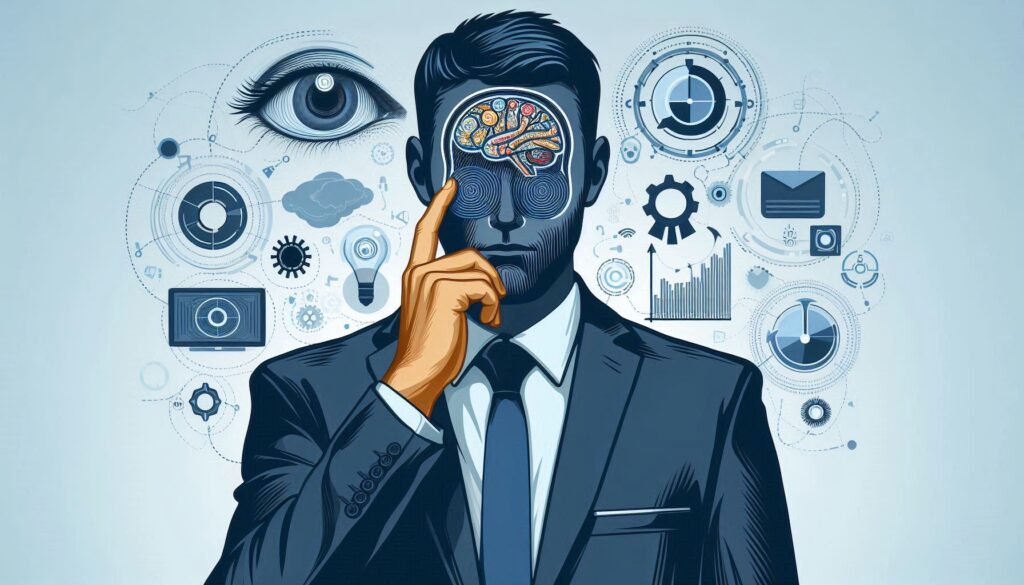
What Emotional Intelligence Means In Daily Life
Emotional intelligence means recognizing, understanding, and managing your own emotions while also noticing the feelings of other people. It does not mean hiding emotions. Instead, it helps you choose when and how to express them.
This ability also includes emotional influence. In simple terms, you can use calm words, empathy, and clear actions to help a conversation move in a better direction. Therefore, emotional intelligence can affect both your private life and your career.
Why These Skills Matter
Emotional intelligence plays a vital role in relationships, teamwork, leadership, and personal growth. It can help you manage pressure, make thoughtful choices, and communicate in a positive way.
- It supports trust and cooperation.
- It can reduce careless reactions during tense moments.
- It helps you understand different points of view.
- It encourages better choices at work and home.
The Top Ways That You Can Put Emotional Intelligence To Work
Emotional intelligence becomes useful when you apply it to ordinary moments. The practices below can help you handle feelings, conversations, conflict, leadership, decisions, and stress with greater control.
1. Notice And Manage Your Emotions
Self-awareness is the starting point. When you know what you feel, you have a better chance of choosing a helpful response. However, strong emotions can make this difficult, especially during pressure at work.
- Practice mindfulness: Notice your thoughts, feelings, and surroundings without judging yourself. This can help you understand your reactions.
- Name the feeling: Ask whether you feel angry, worried, disappointed, or frustrated. A clear label can make the emotion easier to manage.
- Pause before acting: Take a moment before sending a sharp message or speaking in anger. This small pause can protect your relationships.
Mindfulness is about being aware of your thoughts, feelings, and surroundings. With practice, you can respond to emotions instead of letting them control your behavior.
2. Listen With Full Attention
Deep listening requires more than waiting for your turn to speak. Focus on the person’s words, tone, and meaning. Furthermore, ask clear questions when you need more information.
At the end of a conversation, summarize what you heard. Then ask whether your summary is accurate. This approach can prevent confusion and shows that you value the other person’s message.
Use Nonverbal Clues
Body language can add meaning to spoken words. Notice facial expressions, posture, and tone. If these signals do not match the words, remain curious rather than making a quick judgment. With time, you may become better at understanding complete communication.
3. Build Clearer Communication
Emotional intelligence can make your message easier to understand. Speak directly, avoid vague wording, and explain what you need. Consequently, other people have a better chance of responding in a useful way.
- Use “I” statements: Say, “I feel upset when this happens,” rather than, “You made me angry.”
- Match your tone: Keep your voice, facial expression, and words aligned.
- Stay specific: Explain the situation instead of making broad accusations.
Avoid making blame the center of every problem. Constant venting can consume time and reduce your ability to see practical solutions. Instead, focus on what you can control and what action may improve the situation.
4. Respond To Conflict With Care
Conflict occurs in families, friendships, and workplaces. Emotional intelligence can help you protect the relationship while addressing the problem. The goal is not to win every argument. It is to find a fair and useful outcome.
- Stay calm: Take slow breaths and give yourself space when emotions rise.
- Listen to understand: Hear the other person’s concern before defending your own position.
- Look for a shared solution: Consider compromise or another option that respects both sides.
Check Your Attitude
Your perspective can shape the way you experience work. If you assume that everyone else is wrong, cooperation becomes harder. However, viewing the situation through another person’s eyes may reveal a different explanation.
Checking your attitude can make your workplace more pleasant and help you notice choices that support better results.
5. Lead By Example
Leaders use emotional intelligence to guide people, build trust, and support a healthy work setting. Your team watches how you handle pressure, feedback, mistakes, and disagreement. Therefore, your behavior can influence the wider group.
- Model calm communication: Show respect even when a discussion feels difficult.
- Recognize effort: Acknowledge good work and celebrate meaningful progress.
- Invite feedback: Listen to suggestions without treating them as personal attacks.
Recognition can improve morale because it shows people that their work matters. At the same time, honest feedback gives you a chance to grow into a more effective leader.
6. Make More Thoughtful Decisions
Feelings can affect judgment, especially when you feel rushed, angry, or stressed. Emotional awareness helps you notice that influence before you decide. It does not mean ignoring logic or relying only on instinct.
| Decision Check | Question To Ask |
|---|---|
| Emotional state | Am I reacting from anger, fear, or pressure? |
| Available facts | What information supports this choice? |
| Long-term effect | How could this affect me and other people later? |
| Balanced view | Have I considered both reason and feeling? |
Taking time to review both facts and emotions can reduce impulsive choices. Moreover, thinking about future results may help you choose an option that remains useful beyond the present moment.
7. Strengthen Personal And Professional Relationships
Emotional intelligence supports connection because it helps you understand needs, express care, and respond with respect. Strong relationships require regular effort, not only kind words during difficult moments.
- Be genuine: Honest, respectful behavior helps create trust.
- Show appreciation: A sincere thank-you can strengthen a connection.
- Make time: Give important people your attention and support.
Authenticity can make others feel safer when they share concerns. Similarly, steady appreciation can create more positive interactions at home and at work.
8. Manage Stress And Build Resilience
Emotional intelligence also supports resilience, which means recovering and continuing after hardship. You may not control every challenge, but you can influence how you respond to it.
- Care for your health: Make time for rest, movement, hobbies, and activities that help you recharge.
- Use your support system: Trusted people can offer encouragement during hard periods.
- Focus on what you control: Direct your energy toward practical actions rather than constant worry.
Positive thinking does not require ignoring real problems. Instead, it can help you look for the next helpful action while accepting that some situations need time and patience.
How To Apply Emotional Intelligence Consistently
Emotional intelligence grows through repeated practice. You do not need to change every habit at once. Start with one situation, such as pausing before responding to a difficult message.
- Notice the feeling.
- Name what may have caused it.
- Choose a response that supports your goal.
- Review what worked after the conversation.
These habits can support better communication, improved teamwork, and more satisfying relationships. If work feels consistently unhappy, reviewing your reactions and communication style may reveal an area for growth.
Frequently Asked Questions About Emotional Intelligence
Emotional intelligence is a learnable set of skills. The answers below summarize how it can support work, relationships, leadership, and decision-making.
What Is Emotional Intelligence?
It is the ability to recognize and manage your own emotions while understanding and responding to the emotions of other people.
How Can You Improve Emotional Intelligence?
Practice mindfulness, name your feelings, listen closely, communicate clearly, and respond to others with empathy. Consistent effort can strengthen these skills over time.
Why Is Emotional Intelligence Important At Work?
It can help you build trust, handle conflict, communicate with coworkers, and lead in a constructive way. These benefits may also support a more positive work experience.
Can Emotional Intelligence Be Learned?
Yes. Skills such as self-awareness, empathy, communication, and stress management can improve through practice and reflection.
How Does Emotional Intelligence Affect Decisions?
It helps you notice when strong feelings may be influencing your judgment. You can then balance emotion with facts and consider long-term effects before acting.
What Role Does Emotional Intelligence Play In Leadership?
It helps leaders motivate teams, recognize effort, accept feedback, manage conflict, and create an environment built on trust and cooperation.
How Can It Improve Personal Relationships?
It supports honest communication, empathy, appreciation, and healthier conflict resolution. As a result, you may become more supportive and understanding with people who matter to you.
Putting Emotional Intelligence Into Practice
Emotional intelligence can improve the way you manage feelings, understand others, communicate, lead, decide, and recover from stress. Begin with one practical habit, such as focused listening or pausing before you react. With steady practice, these skills can help you create stronger relationships and achieve your goals.

Lamartine P is a health and wellness researcher focused on supplements, lifestyle, and evidence-based content. Enthusiastic researcher and content creator specializing in evidence-based supplement reviews. With over 4 years of experience analyzing dietary supplements. He analyzes products, studies market trends, and translates complex information into practical insights to help readers make informed decisions.
Affiliate disclosure: This review may contain affiliate links. If you purchase a product through one of these links, we may receive a commission at no additional cost to you. This does not affect the price you pay or the standards we use when reviewing products.
Medical disclaimer: The products discussed on this website are dietary supplements and are not intended to diagnose, treat, cure, or prevent any disease. These products are not substitutes for professional medical advice or prescribed treatments. Always consult a qualified healthcare professional before starting any new supplement, especially if you have a medical condition, are pregnant or breastfeeding, or take prescription medications.