

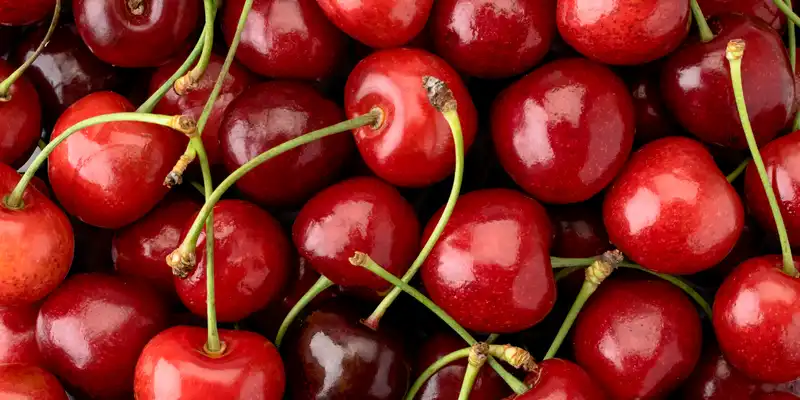
West Indian Cherry, also called acerola or Barbados cherry, offers a bright, sweet-tart taste and a notable supply of vitamin C. This small tropical fruit also provides vitamin A, B vitamins, and several minerals that can support a balanced diet.
Many people enjoy the fruit fresh or as juice. Outside its native regions, you may also find it in jams, jellies, and dietary supplements. However, its nutrition does not replace medical care or a varied eating plan.
Discover How This Simple “Meal Plan” Change My Life
What Is West Indian Cherry?
West Indian Cherry grows on a tropical shrub or small tree. Its scientific name is Malpighia emarginata. The plant comes from Mexico, Central America, and the Caribbean, where people commonly eat the fruit fresh or drink it as juice.
Because the fruit has a strong nutrient profile, food and supplement makers also use it in nutraceutical products. “Nutraceutical” describes a food-based product promoted for its nutritional value.

West Indian Cherry Nutrition At A Glance
West Indian Cherry stands out mainly because of its vitamin C content. One cherry is described as providing about 65 to 100 milligrams of vitamin C, nearly ten times the amount associated with an orange in the source material.
Furthermore, the fruit contains other vitamins and minerals. The exact amount can vary with fruit size, growing conditions, and preparation. Therefore, treat these figures as general nutrition information rather than a personal dosage guide.
| Nutrient group | What it contributes |
|---|---|
| Vitamin C | Supports normal immune function and helps the body absorb iron. |
| Vitamins A, B1, B2, and B3 | Contribute to normal body processes, including digestion and nutrient use. |
| Calcium, iron, phosphorus, and potassium | Provide minerals needed by the body in small daily amounts. |

West Indian Cherry Health Benefits
The health benefits of West Indian Cherry relate largely to its vitamin C, vitamin content, minerals, and antioxidant compounds. These nutrients can complement healthy habits, although they should not be presented as cures for disease.
May Support Immune Health
Vitamin C helps support normal immune activity. It also helps the body absorb iron from food. As a result, adding vitamin C-rich foods to meals may support overall nutrition and help maintain healthy iron use.
However, no single fruit can prevent every cold, infection, or illness. A balanced diet, adequate sleep, hand hygiene, and medical guidance remain important parts of immune health.
May Help Maintain Digestive Function
West Indian Cherry supplies vitamins A, B1, B2, and B3. These nutrients take part in normal body functions, including the way your body uses food.
The fruit may fit well into a diet that includes other plant foods, fluids, and fiber sources. Yet the source information does not establish acerola as a treatment for constipation or a digestive disorder.
May Complement Heart-Friendly Eating
Acerola’s antioxidant content has been linked with interest in cardiovascular wellness. Antioxidants help protect cells from unstable molecules called free radicals.
Still, heart health depends on many factors. Regular activity, blood pressure control, healthy food choices, and advice from a qualified clinician matter more than relying on one fruit or supplement.
Provides Antioxidant Compounds
Free radicals can contribute to cell stress. Antioxidants help the body manage these unstable molecules. Since West Indian Cherry contains a high level of vitamin C, it can add antioxidant value to meals.
That benefit supports a nutritious eating pattern. It does not prove that acerola can prevent cancer or other chronic diseases. Anyone with a health concern should seek individual medical advice.
Supports Normal Skin Structure
Vitamin C helps the body make collagen. Collagen is a protein that supports skin structure and elasticity. Therefore, vitamin C-rich foods may contribute to normal skin maintenance as part of a balanced diet.
Eating acerola may support overall nutrient intake, but it cannot promise to erase wrinkles, repair all skin damage, or stop aging. Skin changes also reflect sun exposure, age, hydration, and genetics.

Ways To Add West Indian Cherry To Your Diet
West Indian Cherry can work in several food forms. Fresh fruit and juice are traditional choices in regions where the plant grows. Outside those areas, you may see acerola in preserves or supplement products.
- Fresh fruit: Eat it as part of a varied snack or meal.
- Juice: Use a suitable serving with meals, while checking added sugar.
- Jams and jellies: Enjoy modest portions because these products may contain added sweeteners.
- Supplements: Read the label and follow its serving directions rather than taking extra.
Choose products from reputable sellers and check the full ingredient list. If you take medicine, have kidney problems, are pregnant, or have another health condition, ask a healthcare professional before using concentrated supplements.
Quick Comparison Of Potential Benefits
West Indian Cherry offers several nutritional advantages, but each benefit has a clear limit. The table below can help you judge where it may fit in your routine.
| Area | How acerola may help | Practical view |
|---|---|---|
| Immune nutrition | Supplies vitamin C. | Useful within a varied diet, not a cure. |
| Iron use | Vitamin C helps iron absorption. | Pair with iron-containing foods. |
| Antioxidant intake | Contributes vitamin C and related compounds. | Combine with other fruits and vegetables. |
| Skin nutrition | Vitamin C supports collagen formation. | Protect skin from sun exposure as well. |
Frequently Asked Questions About West Indian Cherry
What Is Another Name For West Indian Cherry?
West Indian Cherry is also known as acerola or Barbados cherry. Its scientific name is Malpighia emarginata.
Why Is Acerola Used In Supplements?
Acerola is valued mainly for its naturally high vitamin C content. It also contains vitamins A, B1, B2, and B3, plus calcium, iron, phosphorus, and potassium.
Can West Indian Cherry Replace Vitamin C Medicine?
No. Food and supplements should not replace prescribed treatment. If a clinician recommends vitamin C or another nutrient, follow that advice and discuss acerola before changing your plan.
Is West Indian Cherry Good For Skin?
Its vitamin C supports collagen production, which helps maintain normal skin structure. However, results vary, and acerola cannot guarantee younger-looking skin or repair every skin concern.
What Is The Best Form To Take?
Fresh fruit, juice, jams, and supplements are all ways to consume acerola. Your choice depends on availability, sugar content, serving size, and personal health needs.
West Indian Cherry can be a positive addition to a balanced eating pattern, especially when you want a food rich in vitamin C. Use it as part of broader healthy habits, and seek professional guidance when a supplement or health condition is involved.


Lamartine P is a health and wellness researcher focused on supplements, lifestyle, and evidence-based content. Enthusiastic researcher and content creator specializing in evidence-based supplement reviews. With over 4 years of experience analyzing dietary supplements. He analyzes products, studies market trends, and translates complex information into practical insights to help readers make informed decisions.
Affiliate disclosure: This review may contain affiliate links. If you purchase a product through one of these links, we may receive a commission at no additional cost to you. This does not affect the price you pay or the standards we use when reviewing products.
Medical disclaimer: The products discussed on this website are dietary supplements and are not intended to diagnose, treat, cure, or prevent any disease. These products are not substitutes for professional medical advice or prescribed treatments. Always consult a qualified healthcare professional before starting any new supplement, especially if you have a medical condition, are pregnant or breastfeeding, or take prescription medications.