


Drinking alcohol every day raises blood pressure even in people without hypertension. A review of seven studies found that adults with no prior high blood pressure still experienced faster increases in blood pressure when alcohol formed part of their daily routine. The rise was greater as alcohol intake increased, but even low intake showed a measurable effect over time.
What The Research Found About Drinking Alcohol Every Day
Researchers reviewed data from 19,548 healthy adults between 20 and 70 years old. The participants lived in the United States, South Korea, and Japan. None had a previous diagnosis of hypertension, diabetes, liver disease, or alcoholism.
At the start, researchers measured each person’s usual alcohol intake. They converted the amount into grams rather than relying only on the number of drinks. This method helped account for differences in drink sizes across countries.
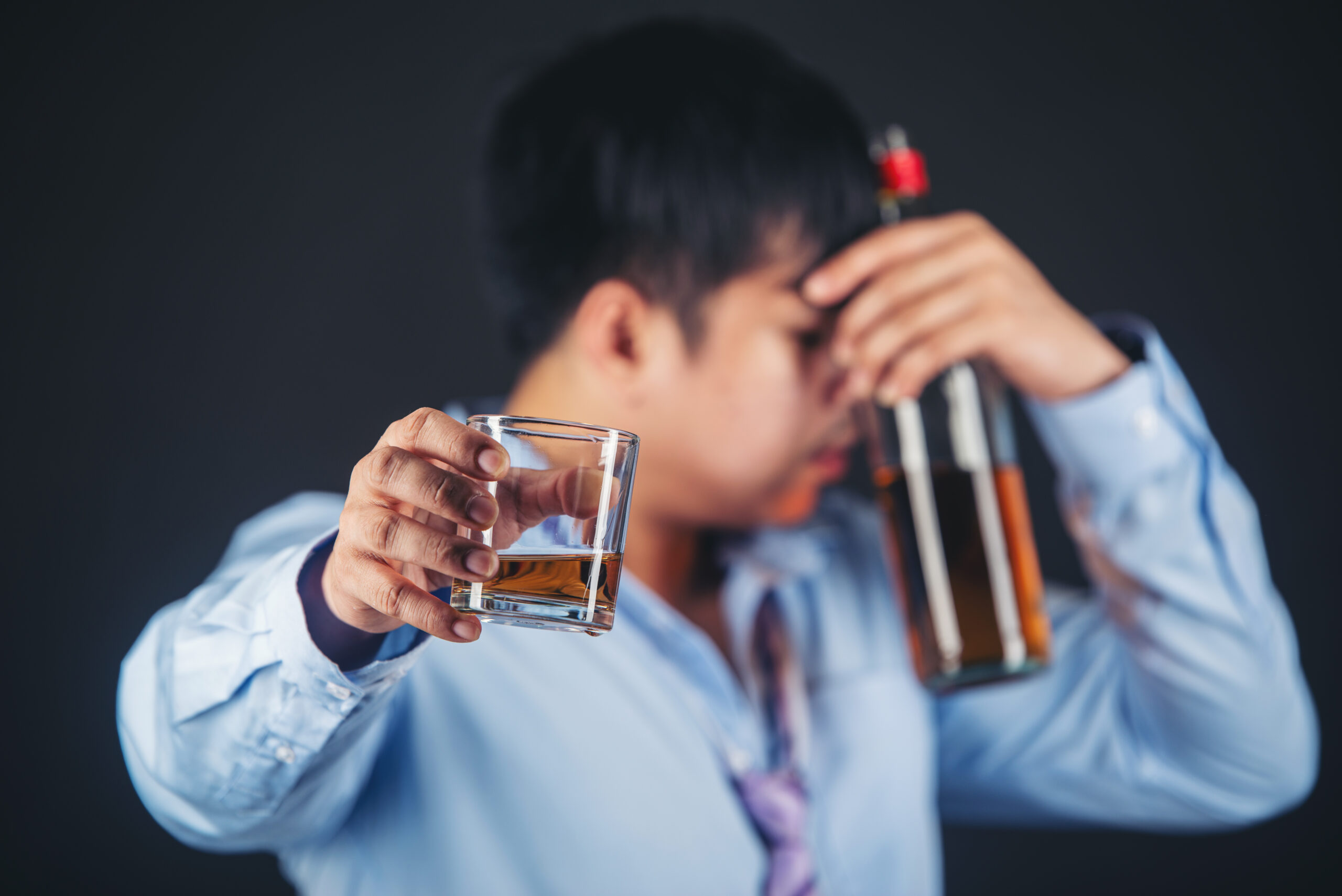
The findings, published in Hypertension, showed a steady link between alcohol intake and rising blood pressure. Therefore, people who drank more each day generally saw a larger increase in both blood pressure measurements.
The Main Numbers From The Review
| Average alcohol intake | Systolic pressure increase | Diastolic pressure increase |
|---|---|---|
| Lower-intake group, about 12 units per day as reported | 1.25 mmHg over time | 1.14 mmHg over time |
| Higher-intake group, about 48 grams per day | 4.9 mmHg over time | 3.1 mmHg over time |
These changes may look small when viewed alone. However, the cardiologist cited in the report explained that a rise of nearly 5 mmHg may affect heart health over 10 or 15 years. The researchers also described the relationship as linear: greater alcohol intake brought greater blood pressure increases.
Why Both Blood Pressure Numbers Matter
Drinking alcohol every day can affect both systolic and diastolic pressure. Systolic pressure is the top number. It shows the force against artery walls while the heart contracts.
Diastolic pressure is the bottom number. It reflects pressure while the heart relaxes between beats. Although systolic pressure often rises with age, both readings matter when you assess cardiovascular health.
- Systolic pressure: pressure during heart contraction.
- Diastolic pressure: pressure during heart relaxation.
- mmHg: the unit used to record blood pressure.
- Cardiovascular risk: the chance of problems affecting the heart and blood vessels.
The heart moves through contraction and relaxation continuously. Consequently, healthcare professionals do not judge heart health from one number alone. Either measurement may contribute to concern when it remains high over time.
How Much Alcohol Counts As A Drink?
The review used alcohol content rather than drink names because a beer, wine, or spirit may contain different amounts of alcohol. For comparison, the report listed common serving sizes used in the United States.
| Beverage | Approximate serving |
|---|---|
| Beer | 12 ounces, or about 350 milliliters |
| Wine | 5 ounces, or about 148 milliliters |
| Spirits | 1.5 ounces, or about 44 milliliters |
Each example contains roughly the same amount of alcohol according to the study’s comparison. Still, serving sizes can vary at home, in restaurants, and at social events. Therefore, counting glasses alone may not show your true alcohol intake.
Does Alcohol Directly Cause High Blood Pressure?
The findings support a strong association, but they do not prove that alcohol alone caused every increase. People who drink may also eat foods that affect blood pressure, especially salty, fatty, or high-calorie appetizers served with alcoholic beverages.
For that reason, the report connects the change with the habit of drinking rather than assigning the full effect to alcohol alone. Diet, daily routines, and other personal factors may also play a role.
Alcohol may cause a temporary rise in blood pressure. Furthermore, long-term heavy intake has been linked with a sustained increase. Scientists still do not know the exact process behind this effect.
Possible Effects On The Body
Researchers believe alcohol may alter hormones that help control blood pressure. It may also contribute to stiffening in the blood vessels. Stiffer vessels cannot adjust as easily when blood moves through them.
These explanations remain theories rather than a final answer. Nevertheless, the steady pattern across different intake levels gives alcohol use a practical place in prevention discussions.
Why Low Intake Still Deserves Attention
Drinking alcohol every day does not need to reach a high level before blood pressure may begin to change. The review found an increase even among people with lower daily intake, although the change was smaller than in the higher-intake group.
This matters because a small rise can persist for many years. As a result, a person without hypertension today may still benefit from reviewing how often and how much they drink.
- Low daily intake showed a smaller rise.
- Higher daily intake showed a larger rise.
- The pattern continued across the amounts studied.
- People without a prior hypertension diagnosis were still affected.
Reducing alcohol intake represents a changeable part of a heart-health plan. It does not guarantee a specific result, but it can help address one factor linked with future blood pressure increases.
Practical Context For Moderation
The report does not claim that alcohol is solely responsible for hypertension. Instead, it highlights drinking habits as a factor worth considering alongside food choices and other influences on cardiovascular health.
If you drink, pay attention to frequency, serving size, and what you eat alongside your beverage. For example, frequent salty snacks may add another burden to a routine that already includes alcohol.
Anyone concerned about blood pressure should discuss personal risks with a qualified healthcare professional. A clinician can interpret readings in context and advise whether changes in alcohol use or other habits may help.
Frequently Asked Questions About Drinking Alcohol Every Day
Can alcohol raise blood pressure in someone who has never had hypertension?
Yes. The reviewed studies included adults without a previous hypertension diagnosis. Their blood pressure still rose over time, and the increase was linked with regular alcohol intake.
Does more alcohol usually mean a larger increase?
The review found a linear association. In practical terms, participants who consumed more alcohol generally experienced greater increases in systolic and diastolic pressure.
What is systolic blood pressure?
Systolic pressure is the top blood pressure number. It measures the force against artery walls when the heart contracts and pushes blood through the body.
What is diastolic blood pressure?
Diastolic pressure is the bottom number. It measures pressure in the arteries while the heart relaxes between contractions.
Does the study prove that alcohol alone causes hypertension?
No. The results show a strong relationship between alcohol intake and rising blood pressure. However, diet and other lifestyle factors may also influence the result.
Why can a small increase matter?
A modest rise may continue over many years. According to the cardiologist cited in the report, an increase of almost 5 mmHg could affect heart health over a period of 10 or 15 years.

Lamartine P is a health and wellness researcher focused on supplements, lifestyle, and evidence-based content. He analyzes products, studies market trends, and translates complex information into practical insights to help readers make informed decisions.