


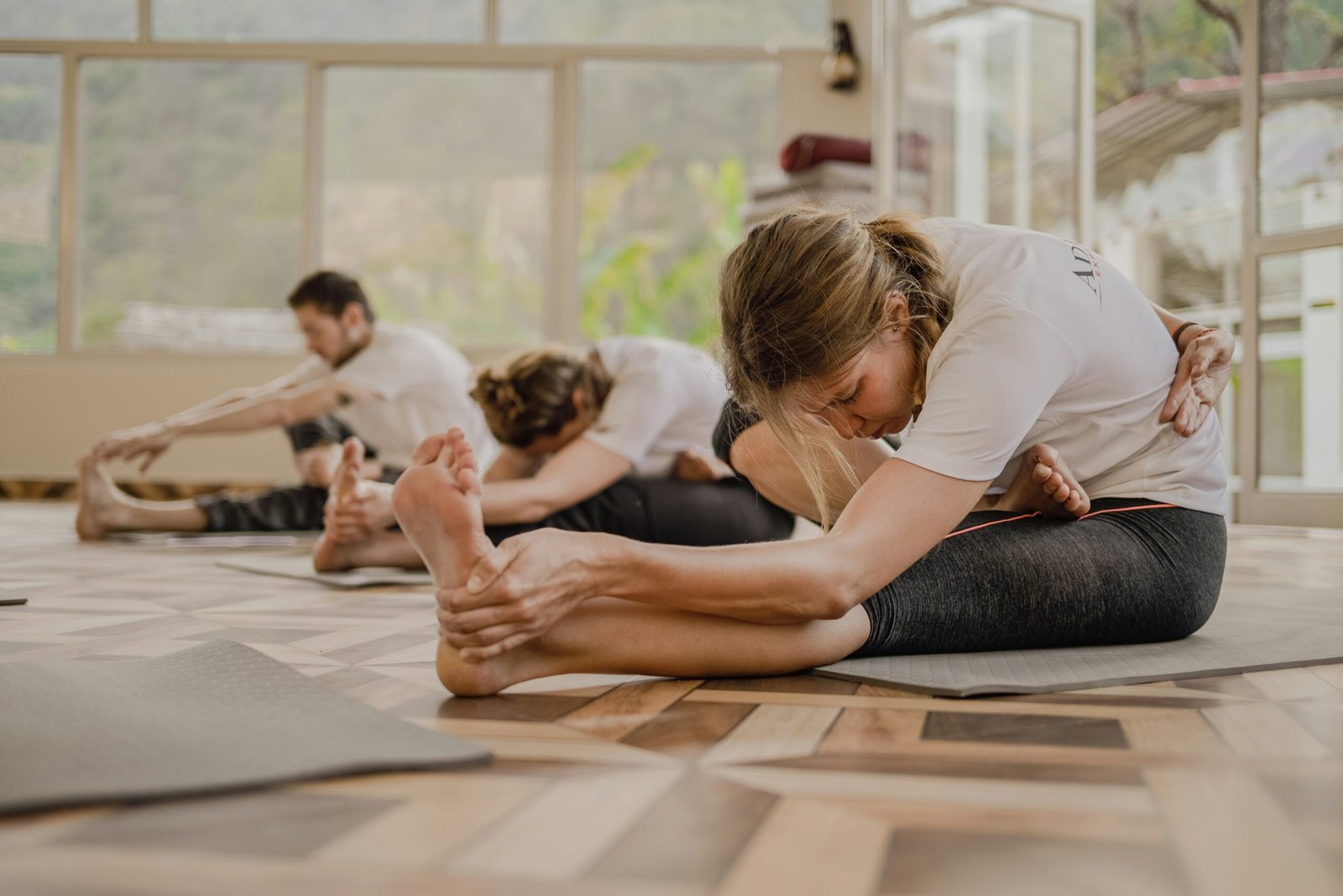
If you have been asking, “Does Pilates work?” the experience of millions of regular participants suggests that it can be a useful, adaptable form of exercise. Pilates is designed to build controlled strength, improve body awareness, support posture, and provide movement without the pounding impact of many customary workouts. It is not a miracle cure, but it can be a practical starting point when you are new to exercise or returning after time away.
The method can be performed on a mat or with equipment such as the Reformer. Its movements use body weight, resistance, balance, breathing, and precise control rather than fast repetition. That combination makes Pilates appealing to beginners, people who dislike high-impact exercise, and anyone seeking better core support.
Does Pilates Work For Building Strength?
Does Pilates work for muscle strength? Yes, it can definitely help strengthen muscles thru controlled resistance. Instead of focusing on maximum weight or large muscle size, Pilates places attention on alignment, stability, and smooth movement.
Joseph Pilates created the Reformer, a machine designed to support a wide range of movements. Its springs and moving platform provide resistance while allowing you to work different muscle groups. Mat Pilates creates a similar challenge by using your body weight and leverage.
The exercises ofen engage opposing muscle groups on both sides of a movement. This balanced approach may help you develop more even strength and better control. Pilates is generally associated with lean,toned muscle rather than the bulky appearance sought in bodybuilding.
Because many movements are demanding even when they look slow, repeating them endlessly is not always necessary. The quality of each repetition matters. A trained instructor can help you adjust the exercise so that you challenge your muscles without sacrificing safe form.
Does Pilates Work When You Are Out Of Shape?
does Pilates work if you have not exercised for a long time? It can be a suitable option because sessions may begin with gentle, short movements. Someone who is very deconditioned may start with only five or ten minutes, depending on comfort and medical guidance.
The controlled pace gives you time to learn body position and breathing.You do not need to begin with an intense class or a intricate routine. Starting within your ability can make exercise feel less intimidating and may help you build consistency.
As your strength and confidence improve, you might potentially be able to increase the length or difficulty of your workouts. Progress should feel gradual. Sharp pain, dizziness, unusual shortness of breath, or worsening symptoms are reasons to stop and seek appropriate advice.
Does Pilates Work For Posture And Core Support?
Does Pilates work to improve posture? It may help by strengthening the core muscles that support your abdomen, lower back, and spine. The “core” means the group of muscles that helps stabilize your trunk during movement.
When these muscles become stronger and you learn better alignment, you may find it easier to sit, stand, and walk with improved control.Pilates also encourages awareness of how your head, shoulders, pelvis, and spine are positioned.
That does not mean Pilates can correct every posture problem or replace an evaluation by a qualified professional. Posture is affected by strength, adaptability, pain, daily habits, and medical conditions. Still, regular, well-taught practice may help you feel more supported and balanced.
Does Pilates Work After An Injury?
Does Pilates work for someone with a previous injury or sensitive joints? Its low-impact style may be easier on the knees, back, and other joints than activities involving jumping or running. Slow movements can also make it easier to notice when your form changes.
Strengthening the muscles around a joint may improve stability and movement control. However, Pilates should not be treated as an automatic treatment for an injury. A new injury, ongoing pain, swelling, weakness, or limited movement should be assessed by a healthcare professional.
If you are recovering from surgery or a significant injury,ask your doctor or physical therapist whether Pilates is appropriate.Tell your instructor about your condition before class. Modifications, fewer repetitions, a different range of motion, or specialized rehabilitation exercises might potentially be needed.

mother Of 2 Reverses Risky Inflammation And Loses Over 70 Pounds
Watch Now Here
Does Pilates Work With Breathing And Controlled Movement?
Does Pilates work beyond muscles? Its breathing and concentration practices may support a stronger connection between movement and body awareness. Pilates commonly pairs deliberate breathing with slow, precise exercises rather than rushed repetitions.
Deep, controlled breathing can make it easier to focus on technique and maintain a steady pace. It may also help you avoid holding your breath while working. Better breathing habits can make exercise feel more comfortable, although Pilates should not be described as a cure for breathing or health conditions.
The method also trains coordination. You learn to move one part of the body while keeping another stable. Over time, that practice may improve confidence in everyday movements such as reaching, bending, standing, or walking.
Does Pilates Work For Overall Health?
Does Pilates work as a complete fitness program? It can contribute to overall health by combining strength, mobility, balance, posture, breathing, and body control. These benefits may support daily function and make other forms of movement easier.
However, Pilates may not provide every type of exercise your body needs. Depending on your goals and health status,you may also benefit from walking,aerobic activity,flexibility work,or other forms of resistance training. A balanced routine is frequently enough more useful than relying on one exercise alone.
Pilates can be especially appealing when you want a workout that feels focused rather than punishing. A short routine may be easier to fit into a busy day, and regular practice is generally more valuable than occasional sessions that leave you tired.
| Goal | how Pilates May Help | Importent Consideration |
|---|---|---|
| Strength | Uses body weight, resistance, and controlled movement | Progress depends on consistency and proper technique |
| Posture | Builds awareness and strengthens the trunk | Persistent pain or posture changes need professional assessment |
| Joint comfort | Offers a low-impact choice to jumping or running | Exercises may need modification after an injury |
| Fitness confidence | Allows beginners to start with brief sessions | Increase intensity gradually and respect warning signs |
How To Begin Pilates Safely
Does Pilates work best when you practice with suitable instruction and realistic expectations. Start with beginner-level mat movements or a class led by a qualified instructor.Focus on breathing, alignment, and control instead of trying to copy advanced exercises instantly.
- Begin with a comfortable duration, such as five to ten minutes.
- Use modifications when a movement feels too arduous.
- Keep movements smooth rather than forcing a deep stretch.
- Stop if you feel sharp pain or unusual symptoms.
- Seek medical guidance if you have an injury, chronic condition, or recent surgery.
A Reformer class can be helpful, but the equipment should be adjusted to your body and experience. A learned instructor can explain how the springs, foot bar, straps, and carriage work before you begin.
Frequently Asked Questions
Can Pilates replace all other exercise?
Pilates can support strength, posture, mobility, balance, and body awareness, but it may not replace aerobic exercise or every form of resistance training. Your ideal routine depends on your goals, fitness level, and health needs.
Is Pilates suitable for beginners?
Yes. Beginners can frequently enough start with simple mat movements and short sessions. The exercises can usually be adjusted, but you should choose an appropriate class and tell the instructor about pain, injuries, or medical concerns.
Can Pilates help with bad knees?
Its low-impact movements may place less stress on the knees than jumping or running. That does not make every exercise suitable for every knee problem. Ask a healthcare professional for guidance if you have pain,swelling,instability,or a diagnosed condition.
How long should a Pilates workout last?
the source material describes beginners starting with five or ten minutes. The right duration depends on your condition and experience. A short, controlled routine that you can repeat consistently may be more useful than an occasional exhausting workout.
Does Pilates build bulky muscles?
Pilates is generally used to develop controlled, toned strength rather than bodybuilding-style muscle size. Its emphasis is on alignment, stability, and precise resistance. results vary according to your routine, nutrition, genetics, and other training.
Is Pilates a treatment for injuries?
No. Pilates may be included in a safe rehabilitation plan, but it is not a universal treatment.Get professional advice after an injury and follow any restrictions before returning to exercise.
For many people, Pilates works because it is adaptable, low impact, and focused on movements that build control. Its strongest value is not a promise of instant conversion. It is indeed a practical way to develop strength and body awareness while progressing at a pace you can manage.

Lamartine P is a health and wellness researcher focused on supplements, lifestyle, and evidence-based content. He analyzes products, studies market trends, and translates complex information into practical insights to help readers make informed decisions.