


Female weight loss starts with understanding what shapes your body weight. Food choices, portion size, daily movement, stress, age, family traits, medicines, and health conditions can all matter. You can guide some of these factors, while others require patience and practical adjustments.
A useful plan does not depend on blame. Instead, it helps you notice your habits, set realistic goals, and make steady choices that support your health. Therefore, control means managing what you can while finding safe ways to work around what you cannot change.
Female Weight Loss Begins With Food Awareness
Female weight loss often begins with reviewing how much you eat and what those foods provide. Many women who are not trying to lose weight may need about 1,600 calories daily, but calorie needs differ from person to person.
Calories measure energy, yet foods with the same calorie count can affect your eating pattern in very different ways. For example, 100 calories from green beans with almond slivers offer a different mix of nutrients and fiber than 100 calories from chocolate with almonds.
For that reason, look beyond the number on the label. Pay attention to:
- Serving size
- Fiber content
- Fat grams
- Overall nutrients
- The amount you eat during the day
Furthermore, portion sizes have grown over time, while many people still estimate calories using older, smaller portions. A meal can appear to be one serving when it actually contains more. Checking labels and measuring common foods can improve your awareness.
Many women consume more energy than their bodies use to maintain weight. Impulse eating can contribute to this pattern, especially when high-calorie foods are easy to reach. Stress may also encourage eating without physical hunger.
Instead of relying on memory, keep a clear record of meals, snacks, and drinks. This practice can show where extra calories enter your routine. It also gives you useful information for making small, lasting changes.
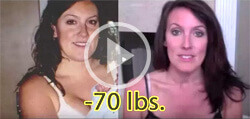
Mother Of 2 Reverses Dangerous Inflammation And Loses Over 70 Pounds
Watch Now Here
Female Weight Loss And Daily Movement
Female weight loss can also improve when you increase everyday movement. If you spend most of the day sitting, your body uses less energy. Therefore, simple activity can become an important part of your routine.
You do not need to begin with a gym membership. Playing with your children, cleaning floors, and gardening can all help you move more. These tasks may fit into your day more easily than a formal workout.
Start by noticing when you sit for long periods. Then look for practical chances to stand, walk, stretch, or complete household tasks. Small choices can support a more active lifestyle without making your plan feel overwhelming.
However, your ability to move may depend on your health. Pain, limited mobility, or another physical condition can make activity harder. In that situation, speak with a qualified health professional about safe options that match your abilities.
Factors You Cannot Fully Control
Female weight loss depends partly on factors outside your direct control. Genetics, age, health conditions, and certain medicines may affect how your body stores or uses energy. Recognizing these influences can help you choose realistic goals.
Family traits may play a role in body size and metabolism. Metabolism describes how your body uses energy for basic functions and daily activity. Some families may share traits linked with a faster or slower energy use.
Age can matter as well. Many people burn fewer calories as they grow older, which can make weight management more difficult. This change may contribute to weight gain around middle age when eating and activity habits remain the same.
Health also deserves careful attention. Some medicines can contribute to weight gain, while certain conditions may reduce movement. Do not stop or change prescribed medicine on your own. Instead, ask your clinician whether treatment choices or activity limits affect your plan.
Weight concerns can affect more than appearance. They are associated with health risks such as heart disease, cancer, and diabetes. Consequently, a sensible plan should focus on long-term health rather than fast changes alone.
Female Weight Loss Requires Achievable Goals
Female weight loss becomes more manageable when you set goals you can follow. A plan that fits your food preferences, schedule, activity level, and health needs has a better chance of lasting.
Begin with the factors you can influence. You can review portions, track meals, choose foods with useful nutrients, and add more movement. You can also prepare for moments when stress or impulse eating makes your usual plan harder to follow.
At the same time, accept that genetics, age, medicines, and health conditions may affect your results. This does not remove your ability to make progress. Instead, it shows why your plan may need adjustments and professional guidance.
Focus on consistency rather than perfection. One large meal or inactive day does not decide your entire outcome. Return to your routine at the next opportunity, and use what you learned to make the next choice easier.
For some women, a weight-loss supplement may appear alongside diet and lifestyle changes. Review any product carefully, avoid promises of instant results, and ask a health professional whether it is suitable for you. A supplement should not replace balanced eating or needed care.
Frequently Asked Questions About Female Weight Loss
Female weight loss questions often involve calories, movement, and personal health factors. The answers below summarize the main points in a clear, practical way.
How Many Calories Should A Woman Eat?
Some women may need around 1,600 calories daily when they are not trying to lose weight. However, calorie needs vary with age, body size, activity, and health. Treat this figure as general guidance, not a personal prescription.
Why Do Portion Sizes Matter?
Large portions can contain more calories than expected. Therefore, reading serving information and checking the amount you actually eat can improve calorie awareness. This matters because people often estimate food using smaller portions than the ones served today.
Does Exercise Require A Gym?
No. Female weight loss can include daily activities such as gardening, mopping, walking, and playing with children. These forms of movement may help you become more active, especially when a gym does not suit your schedule.
Can Age Affect Weight Management?
Yes. Calorie use may slow with age, so the habits that once maintained your weight may produce a different result later. Adjusting food intake and movement can help, while a clinician can address personal health concerns.
What If A Medicine Or Condition Affects My Weight?
Speak with your health professional before making changes. Some medicines may contribute to weight gain, and some conditions can limit movement. A qualified clinician can help you create a safer plan based on your needs.
The central message is simple: guide the choices within your reach, set achievable goals, and allow room for factors you cannot change. With informed food choices, regular movement, and appropriate support, your approach can become more practical and sustainable.

Lamartine P is a health and wellness researcher focused on supplements, lifestyle, and evidence-based content. He analyzes products, studies market trends, and translates complex information into practical insights to help readers make informed decisions.