


A gluten free diet may help you manage certain health conditions, explore new foods, and build meals around simple ingredients from the earth. It can also feel confusing at first. This guide explains where gluten appears, who may need to avoid it, and how to make the change practical.
Gluten Free Diet Basics: What It Means
A gluten free diet removes gluten, a protein found in wheat, rye, and barley. Therefore, foods made with these grains need careful review. However, many wholesome foods remain available, including quinoa, millet, corn, wild rice, buckwheat, and amaranth.
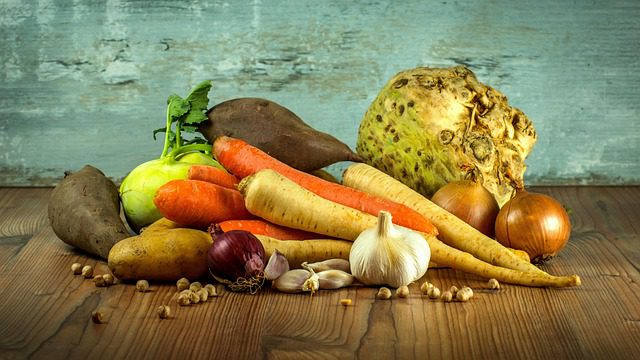
Going gluten free does not mean giving up flavor or variety. Fresh vegetables, fruit, beans, seeds, meat, fish, eggs, and many dairy foods can all fit into meals, depending on your personal health needs and food choices.
Where Gluten May Appear
Gluten often appears in familiar foods such as bread, breakfast cereal, pasta, baked goods, and crackers. It may also be added to sauces, snacks, and other packaged products as a thickener or food ingredient.
Read each label instead of relying on the front of a package. Ingredients can change, and a food that seems safe may contain wheat, rye, barley, or another gluten-containing ingredient.
- Quinoa: A protein-rich seed that works well in bowls, salads, and side dishes.
- Amaranth: An old crop with a mild, nutty taste and many uses.
- Corn: A naturally gluten free garden favorite.
- Sunflower seeds: A simple snack that adds useful nutrients and crunch.
Nearly one in 100 people worldwide may have celiac disease, according to the source material. This autoimmune condition requires strict avoidance of gluten because it can affect the small intestine.
Who May Benefit From A Gluten Free Diet?
A gluten free diet is essential for people with celiac disease. In this autoimmune disorder, gluten triggers the immune system and harms the small intestine. Symptoms may include ongoing diarrhea, tiredness, and joint pain.
These signs can overlap with other conditions, including irritable bowel syndrome. For that reason, speak with a health professional before removing gluten, especially if you suspect celiac disease. Testing can become less useful after gluten has already been removed.
Some people with non-celiac gluten sensitivity also report fewer symptoms after avoiding gluten. In addition, some individuals with fibromyalgia report less pain. These experiences vary, so personal medical advice remains important.
Could This Eating Pattern Suit You?
Bloating, low energy, or unexplained discomfort may encourage you to review your eating habits. Yet these symptoms have many possible causes. A doctor or registered dietitian can help you assess them safely rather than relying on guesswork.
If you have diabetes, use extra care with packaged gluten free foods. Some substitutes contain added sugar or fat. A food may be gluten free without being a balanced choice for blood sugar or overall nutrition.
Gluten Free Diet Benefits And Realistic Expectations
For people with celiac disease, a gluten free diet can support gut healing and help restore energy when followed carefully. Others may notice easier digestion or improved well-being, although results differ from person to person.
A 2021 survey cited in the source reported that 25% of Americans followed a gluten free diet, including people without a medical need. Many named general wellness as a reason. Still, popularity does not prove that the plan suits everyone.
Whole foods usually offer the strongest foundation. Fresh produce, beans, naturally gluten free grains, seeds, and other basic ingredients can provide more value than heavily processed replacement products.
Common Myths And Clear Facts
- Myth: Gluten free food has no flavor. Fact: Herbs, spices, fresh produce, seeds, and varied grains can create satisfying meals.
- Myth: Only people with celiac disease avoid gluten. Fact: Some people choose this pattern because they believe it supports their comfort or wellness.
- Myth: Gluten free eating must cost more. Fact: Basic foods such as corn, millet, buckwheat, and seasonal produce may help control spending.
How To Make A Gluten Free Diet Easier
A gluten free diet becomes simpler when you build meals around foods that are naturally free from gluten. Start with produce, protein foods, and suitable grains. Then add packaged items only after checking their labels.
Manufacturers now offer gluten free breads, snacks, and other substitutes. These products can make social meals and busy days more manageable. However, compare labels because nutrition quality can differ widely between brands.
Use Your Garden And Kitchen
Gardening can make this lifestyle feel more enjoyable. Corn, quinoa, millet, and buckwheat may add variety to your garden and your plate. Growing even a small patch can connect your meals with fresh, simple ingredients.
Plan meals before shopping, and keep reliable staples at home. For example, a bowl with vegetables, beans, corn, and quinoa can provide a flexible base. You can also look for gluten free cookbooks and trusted cooking communities for ideas.
Prevent Accidental Gluten Exposure
If you have celiac disease, careful food handling matters. Check sauces, packaged snacks, cereals, and baked foods. Also consider shared cutting boards, toasters, and utensils, since crumbs can create contact with gluten-containing foods.
Ask questions when eating away from home. Clear communication helps you learn how a meal was prepared. When in doubt, choose a simple dish made from foods you can identify.

Mother Of 2 Reverses Dangerous Inflammation And Loses Over 70 Pounds
Watch Now Here
Building A Sustainable Gluten Free Diet
A gluten free diet works best when it supports your daily life. You do not need an elaborate plan. Choose foods you enjoy, learn which ingredients cause concern, and create meals that fit your budget and routine.
Those with a medical need should treat gluten avoidance as an ongoing health practice, not a short trend. Others may choose to experiment, but medical guidance can help prevent unnecessary restriction or missing nutrients.
Keep your approach positive. New grains, garden crops, and recipes can expand your choices rather than limit them. With preparation, you can enjoy colorful meals while paying close attention to your body and professional advice.
FAQs About A Gluten Free Diet
This gluten free diet FAQ covers the main questions about safety, food choices, and health goals. Your doctor or dietitian can provide advice that reflects your symptoms, diagnosis, medicines, and nutritional needs.
Is A Gluten Free Diet Suitable For Everyone?
No. It is vital for people with celiac disease and may help some people with gluten sensitivity. However, others may not need to avoid gluten. Ask a health professional before making a major dietary change.
Which Gluten Free Grains Can I Grow?
Quinoa, millet, corn, and buckwheat are naturally gluten free options mentioned in the source material. Their success depends on your climate, soil, and gardening conditions. You can also buy them from food shops.
Does Gluten Free Always Mean Healthier?
No. Some gluten free packaged foods contain added sugar or fat. Therefore, focus on naturally gluten free foods such as vegetables, fruit, seeds, beans, and suitable whole grains.
Can I Try This Diet If I Have Diabetes?
You may need extra care. Some gluten free replacements contain added sugars, which can affect blood sugar. Discuss your plan with a health professional and compare nutrition labels before choosing packaged foods.
What Is The Best First Step?
Begin by learning where gluten occurs and listing naturally gluten free foods you already enjoy. If you have ongoing symptoms or suspect celiac disease, speak with a health professional before removing gluten from your meals.

Lamartine P is a health and wellness researcher focused on supplements, lifestyle, and evidence-based content. He analyzes products, studies market trends, and translates complex information into practical insights to help readers make informed decisions.