

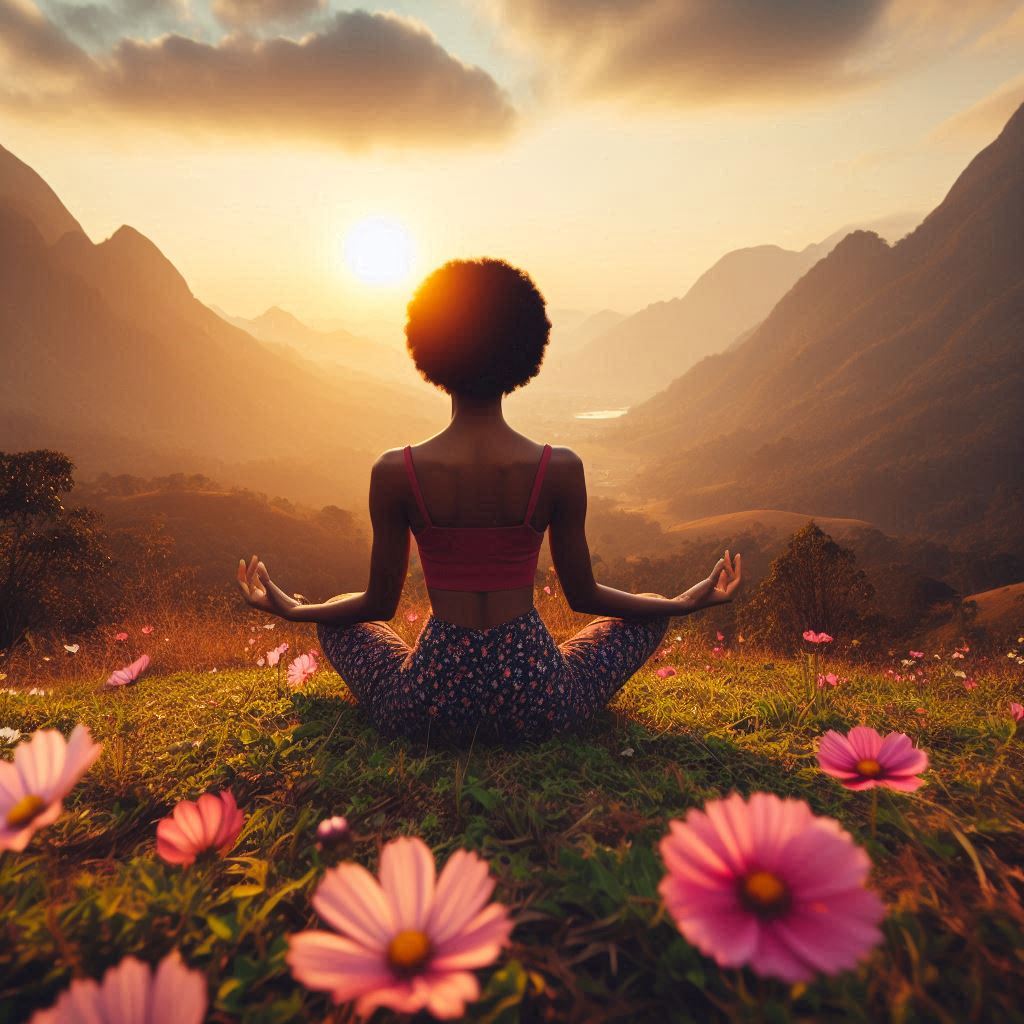
Meditation is not reserved for monks, athletes, or people with unusually quiet minds. How to start meditation in 3 easy steps is a practical question with a simple answer: choose a calm place, begin with a short session, and use your breath as an anchor.
You do not need special equipment, religious beliefs, or hours of free time. A few minutes can create space between you and stressful thoughts. With regular practice, meditation may support calmer moods, better focus, improved sleep, and a stronger sense of well-being.
More people now view meditation as a practical mental skill rather than a mysterious practice. Research and everyday experience have helped make it more familiar. It may also complement healthy habits that support brain health.
What Meditation Means For Beginners
How to start meditation in 3 easy steps becomes clearer when you understand the basic purpose. Meditation trains your attention. You focus on one object, thought, sound, or activity while noticing distractions without immediately reacting to them.
The goal is not to force your mind to become blank. Instead, you learn to observe thoughts and let them pass. This skill can help you focus without becoming trapped in every worry.
Meditation has roots in traditions such as Buddhism and Hinduism. However, you can practice it without following a religion. Many people use it as a simple method for building awareness and emotional calm.
Possible Benefits Of Regular Practice
Results differ from person to person. Still, a steady routine may support several parts of daily life.
- Less stress: Quiet attention may help you respond to pressure with more control.
- Sharper focus: Returning to one point repeatedly can help train your mind.
- Better sleep: A calmer evening routine may make it easier to settle down.
- Emotional awareness: Mindfulness can help you notice feelings before they guide your actions.
- Relaxation: Slower breathing and stillness may support a more relaxed body.
Meditation should support, not replace, professional care. If you have a mental health condition or severe distress, speak with a qualified health professional before changing your care plan.
How To Start Meditation In 3 Easy Steps: Choose Your Place
How to start meditation in 3 easy steps begins with a setting that feels comfortable and manageable. You do not need a decorated room. A bedroom corner, chair, or quiet porch can work well.
Choose a place where you can sit without frequent interruptions. Therefore, silence your phone, close a door, or tell others that you need a few uninterrupted minutes.
Prepare A Simple Meditation Space
- Pick stable seating: Use a chair or cushion that supports you without making you too sleepy.
- Reduce noise: Select a calmer area when possible. Earplugs or soft background music may help if noise cannot be avoided.
- Remove distractions: Put away items that invite checking, scrolling, or multitasking.
- Return to the same spot: Familiar surroundings may make it easier to begin each session.
Sit upright in a natural position. You do not need to hold a rigid pose. However, avoid lying down if you tend to fall asleep quickly.
How To Start Meditation In 3 Easy Steps: Keep Sessions Short
How to start meditation in 3 easy steps also means setting a realistic time limit. Beginners often benefit from starting with five minutes. A short session feels less demanding and is easier to repeat.
Set a timer before you begin. This choice prevents repeated clock-checking and gives your mind a clear ending point. Furthermore, five quiet minutes may fit into a busy morning, lunch break, or evening routine.
| Starting time | Best use | Helpful approach |
|---|---|---|
| 5 minutes | First sessions | Learn the basic routine without pressure |
| 10 minutes | Building comfort | Allow more time to settle and refocus |
| 15-20 minutes | Established practice | Explore a longer period of calm attention |
Consistency Matters More Than Length
A few minutes each day often creates a stronger habit than one long session each week. Choose a time you can repeat. Morning meditation may set a calm tone, while evening practice may help you unwind.
- Start with five minutes.
- Practice at roughly the same time.
- Increase the duration only when it feels comfortable.
- Accept difficult sessions without treating them as failure.
Your mind may wander often at first. That does not mean you are doing meditation incorrectly. Each return to your chosen focus is part of the training.
How To Start Meditation In 3 Easy Steps: Follow Your Breath
How to start meditation in 3 easy steps reaches its main practice with breath awareness. Your breathing gives you a steady, present-time point of focus that is always available.
Sit comfortably and take several slow breaths. You may breathe in through your nose and exhale gently through your mouth. Then allow your breathing to return to its natural rhythm.
A Simple Breath Practice
- Notice the feeling of air entering and leaving your nose.
- Observe your chest or abdomen rising and falling.
- If helpful, count each breath from one to ten.
- Begin again at one after reaching ten.
- When your attention wanders, return to the next breath.
Do not criticize yourself when thoughts appear. Instead, notice the thought, label it gently, and guide your attention back. This small movement from distraction to focus is the central exercise.
Other Focus Options
Breathing is a useful starting point, but it is not your only choice. You might repeat a quiet word or phrase, known as a mantra. You could also focus on a single flame or another calm object.
Some people observe their thoughts without judging them. The aim remains the same: direct attention toward something steady and non-stressful, then return whenever your mind moves away.
How To Start Meditation In 3 Easy Steps And Make It A Habit
How to start meditation in 3 easy steps becomes more useful when you connect the practice to your normal day. A reminder, simple record, and kind attitude can make continued practice easier.
Use Practical Habit Tools
- Set a reminder: Use your phone or calendar to mark a daily session.
- Track your experience: Note your mood, focus, or stress before and after practice.
- Try an app: Calm, Headspace, and Insight Timer may offer guided sessions and tracking tools.
- Keep a journal: Write a few words about what you noticed, without judging the result.
Guided meditation can help if silence feels confusing. A recorded voice gives your attention clear instructions. Therefore, it may be a useful option when you struggle to practice alone.
Be patient with yourself. Meditation is a practice, not a performance. Missing one day does not erase your progress. Simply return at the next suitable time and begin again.
Common Beginner Questions About Meditation
How long should a beginner meditate?
Five minutes is a practical starting point. You may later move to ten, fifteen, or twenty minutes as the routine becomes easier. A comfortable duration is more useful than forcing a long session.
What if I cannot stop thinking?
You do not need to stop thinking. Notice each thought, avoid judging it, and return attention to your breath or chosen focus. Wandering thoughts are normal during meditation.
Is meditation connected to religion?
Meditation has religious roots, including Buddhist and Hindu traditions. However, you can practice basic breath awareness without adopting a particular belief system.
Can I meditate anywhere?
Yes. A quiet place usually helps beginners, but you can practice in many settings. Sit safely, reduce distractions when possible, and avoid meditating while driving or doing another task that needs full attention.
Should I use guided meditation?
Guided meditation may suit you if you want spoken instructions. Services such as Headspace can lead you through a script and help direct your attention during each session.
Begin With Five Calm Minutes
How to start meditation in 3 easy steps can be reduced to one practical choice today: sit somewhere comfortable, set a five-minute timer, and follow your natural breath.
With regular practice, you may notice changes in stress, focus, sleep, and emotional awareness. Keep your expectations realistic, stay patient, and use this simple habit as a supportive tool for a calmer daily life.
You can also explore healthy ways to achieve your goals, stay motivated, and build routines that support your wider well-being.

Lamartine P is a health and wellness researcher focused on supplements, lifestyle, and evidence-based content. He analyzes products, studies market trends, and translates complex information into practical insights to help readers make informed decisions.