



Heart healthy foods can make everyday meals more supportive of your cardiovascular health without taking away flavor. By choosing more produce, whole grains, beans, fish, and unsaturated fats, you can build a plate that supports your heart and may help lower common diet-related risks.
Heart disease remains a leading cause of death worldwide. The World Health Organization reports more than 17.9 million deaths each year from cardiovascular disease. Therefore, simple food choices can become a meaningful part of a healthier lifestyle.
Why Heart Healthy Foods Matter
Heart healthy foods provide nutrients that support blood pressure, cholesterol levels, blood vessels, and overall wellness. They also help replace highly processed choices that often contain excess sodium, sugar, or less helpful fats.
A balanced diet cannot guarantee that you will avoid heart disease. However, it can support other healthy habits and may reduce several important risk factors. Your age, family history, activity level, and medical needs also matter.
How To Build A Heart Healthy Foods Plan
Heart healthy foods fit easily into a practical eating plan. Focus on what you can add rather than only what you must avoid. For example, add vegetables to lunch, choose oats at breakfast, or use beans in place of some meat.
Choose unsaturated fats, lean proteins, whole grains, and fresh produce more often. Furthermore, read food labels because terms such as “reduced fat” do not always mean that a product contains little sodium or sugar.
Choose Better Fats
Butter, bacon grease, and gravy can contain saturated fats. Trans fats are another concern because they are linked with an unfavorable cholesterol pattern. Use olive oil for dressings or cooking, and try plain yogurt as a creamy substitute in some recipes.
- Olive oil: A source of monounsaturated fat.
- Plain yogurt: A lighter alternative to butter in selected dishes.
- Fresh fruit: A naturally sweet choice for snacks and recipes.
Select Lean Protein
Protein helps support muscle and daily energy. Fatty and processed meats may add more saturated fat and sodium than you need. Instead, choose fish, turkey, chicken breast, lean beef cuts, beans, lentils, soy, or tofu.
Salmon and mackerel also provide omega-3 fatty acids. These fats may help support triglyceride levels. Triglycerides are a type of fat found in the blood, so discuss personal concerns with a qualified health professional.
Increase Fruits And Vegetables
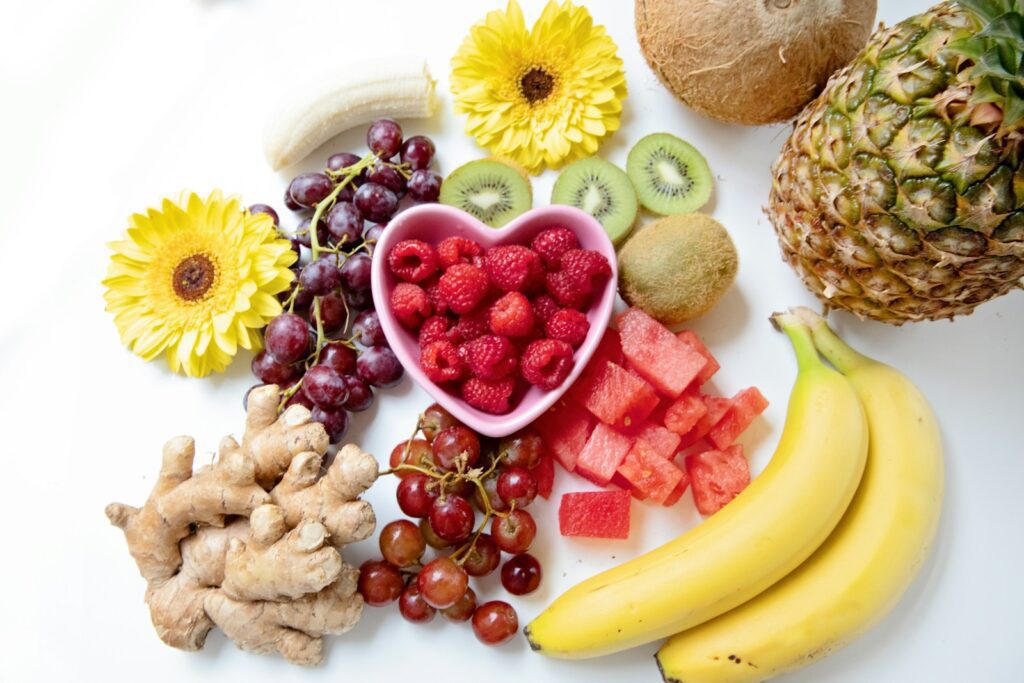
Fruits and vegetables supply vitamins, minerals, and fiber. Soluble fiber can help reduce LDL cholesterol. LDL is often called “bad” cholesterol because high levels may contribute to plaque buildup in arteries.
Keep carrots, broccoli, or a bowl of fruit where you can see them. As a result, you have a convenient option when cravings appear between meals.
Make Whole Grains A Regular Choice
Whole grains retain more of the grain’s natural parts than refined grains. Choose 100% whole wheat bread and pasta when possible. Their fiber can help you feel full, which may make portion control easier.
Keep An Eye On Sodium
Too much sodium can raise blood pressure, a major risk factor for heart disease. Packaged and processed foods often contain large amounts. The American Heart Association suggests limiting sodium to 2,300 milligrams per day.
Use herbs, spices, garlic, or lemon to add flavor. Compare labels on similar products, and choose the option with less sodium when practical.
Top 10 Heart Healthy Foods To Add To Your Plate
These heart healthy foods offer useful nutrients that can support a balanced eating pattern. Add them to meals you already enjoy instead of trying to change your entire diet at once.
- Salmon: Provides omega-3 fatty acids that may help reduce inflammation.
- Blueberries: Contain antioxidants that help protect cells from oxidative stress linked with heart concerns.
- Spinach: Supplies potassium, a mineral that supports healthy blood pressure.
- Walnuts: Offer fiber and beneficial fats.
- Avocado: Provides monounsaturated fat that can support a healthier cholesterol pattern.
- Oats: Contain soluble fiber that helps reduce LDL cholesterol.
- Tomatoes: Provide lycopene, a plant compound associated with heart health.
- Dark chocolate: In moderate portions, its flavonoids may support blood flow.
- Green tea: Contains catechins that may support blood vessel function.
- Chickpeas: Supply plant protein and fiber with little fat.
For research about specific nutrients and cardiovascular health, see these resources on reducing inflammation, antioxidants, and flavonoids.
Simple Ways To Use Heart Healthy Foods
Heart healthy foods become easier to enjoy when you connect them with familiar meals. Try oats with blueberries, spinach in an omelet, or chickpeas in a salad. You can also serve salmon with whole wheat pasta and vegetables.
Walnuts make a convenient snack, while avocado can replace some creamy spreads. Green tea works as a lower-calorie drink choice, and fresh fruit can add sweetness without relying on heavily processed toppings.
Start with one or two changes each week. This approach feels more manageable and gives you time to create habits that fit your budget, schedule, and taste.
Common Myths About Heart Healthy Eating
One common myth says that heart healthy foods must taste plain. In reality, herbs, spices, citrus, garlic, and fresh ingredients can create meals with plenty of flavor.
Another myth claims that every type of fat should be avoided. Your body needs fat, and foods such as walnuts, avocado, olive oil, and fish provide more beneficial choices. Portion size still matters, even with nutritious foods.
A heart-supportive diet may also support weight management when it replaces high-calorie, highly processed meals. However, weight loss is not the only measure of health. Your full pattern of eating matters more than one ingredient.
Your Next Meal Can Support Your Heart
Heart healthy foods do not require a perfect menu. Add spinach to breakfast, choose beans at lunch, or place fruit where you can reach it. These small choices can gradually make your meals more nutrient-dense.
People with high blood pressure, high cholesterol, diabetes, kidney disease, or other medical conditions may need personalized advice. Speak with a qualified health professional before making major dietary changes.
For additional information about weight loss, use guidance that considers your health history and current needs.

Frequently Asked Questions About Heart Healthy Foods
What Foods May Help Lower Cholesterol?
Foods rich in soluble fiber, such as oats, beans, and apples, may help reduce LDL cholesterol. Nuts and fatty fish such as salmon also provide fats associated with cardiovascular support.
Can You Eat Meat On A Heart-Supportive Diet?
Yes. Choose lean options such as turkey, chicken breast, or lean beef cuts. Include fish when you can, and limit processed meats such as bacon because they may contain more saturated fat and sodium.
How Many Fruits And Vegetables Should You Eat Each Day?
The USDA guidance provided here recommends 2 to 3 cups of vegetables and 1.5 to 2 cups of fruit daily. Choose several colors and types to increase the range of nutrients in your meals.
Are Heart Healthy Foods Enough To Prevent Heart Disease?
Food choices support heart health, but they are only one part of prevention. Regular activity, healthy sleep, medical care, and attention to blood pressure and cholesterol also matter.

Lamartine P is a health and wellness researcher focused on supplements, lifestyle, and evidence-based content. He analyzes products, studies market trends, and translates complex information into practical insights to help readers make informed decisions.