


When portions grow larger and snacks become easy to grab, weight loss can feel confusing. Food Calorie Counters give you a clear view of your daily intake, helping you make practical choices without giving up every food you enjoy.
Just as a gardener learns what each plant needs, you can learn how different foods affect your energy intake. A calorie counter turns meals, snacks, and serving sizes into useful information you can apply each day.
Why Food Calorie Counters Can Support Weight Loss
Food Calorie Counters help you understand the basic balance behind weight loss: you generally need to use more energy than you consume to lose weight. Tracking makes that balance easier to see.
Without a record, small extras can remain unnoticed. Cooking oils, sauces, large servings, and late-night snacks may add more calories than expected. A tracker brings these details into view.
This awareness does not require a strict or joyless diet. Instead, it lets you compare options and decide where a small change may help. For example, you might choose a lighter meal after enjoying a richer dish earlier.
Clear Information For Better Choices
A calorie counter may show the energy in a food along with macronutrients. Macronutrients are the main nutrients your body uses: protein, carbohydrates, and fat.
- Quick insight: Look up a food and review its estimated calorie content.
- Serving control: Change the portion size to match what you actually plan to eat.
- More flexibility: Keep favorite foods in your routine while balancing the rest of your meals.
For instance, a fast-food burger may contain more than 500 calories. Comparing it with a home-cooked meal can help you choose the option that better fits your daily plan.
How Food Calorie Counters Work In Daily Life
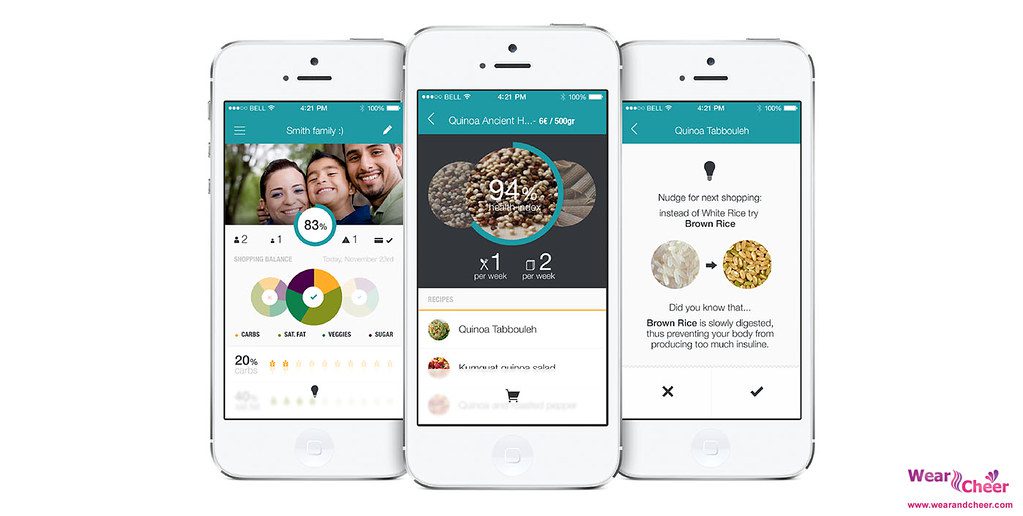
Food Calorie Counters make food records easier through apps, websites, and printed guides. Many digital tools use food lists, serving menus, and barcode scanners to speed up meal entries.
You can enter breakfast, lunch, dinner, and snacks as you go. A bowl of oatmeal with berries, for example, can be recorded by selecting the food and adjusting the amount.
The result is more than a number. A record may show patterns that are hard to notice otherwise. You might see that creamy pasta, sugary drinks, or evening snacks use a large part of your daily intake.
That information gives you room to respond. You could select a vegetable-based meal, reduce the serving, or plan a lighter snack. Therefore, tracking becomes a tool for decisions rather than a reason for guilt.
A Simple Tracking Routine
Using a tracker becomes easier when you keep the routine practical:
- Select a tool: Use a calorie-counting app or an online food database.
- Record the full day: Include drinks, small bites, sauces, and treats.
- Review the pattern: Look for repeated habits instead of judging one meal.
- Make one adjustment: Change a serving or swap one higher-calorie choice.
Recording everything matters because uncounted items can change the daily total. However, perfection is not required. A consistent estimate can still teach you more than guessing.
Some studies report that people who track their food may be twice as likely to lose weight as people who do not track. Results still depend on personal habits, health needs, and long-term consistency.
Benefits Beyond The Number On The Scale
Food Calorie Counters can support more than weight reduction. They may also help you notice food quality, portion habits, and the nutrients found in your usual meals.
As you review your meals, you may begin to value foods that offer more nourishment. Fresh vegetables, fruit, and balanced home-cooked dishes can become easier choices when you see how they fit your goals.
- Nutritional awareness: Learn about calories, protein, carbohydrates, fats, vitamins, and minerals.
- Flexible eating: Include comfort foods while balancing them with lighter meals.
- Lasting habits: Build awareness that can continue after daily tracking ends.
Calorie tracking also supports portion awareness. You do not need to remove every favorite food. Instead, you can choose a smaller amount or enjoy it less often.
That flexible approach may feel more manageable than a short-term fad diet. It allows your eating plan to fit real life, including family meals, celebrations, and busy days.
Are Food Calorie Counters Difficult Or Restrictive?
Food Calorie Counters are often easier to use than people expect. Modern apps can offer searchable databases, saved meals, and barcode tools, so you do not need to calculate every item by hand.
Some people also believe calorie tracking bans favorite foods. In practice, the tool shows how a food fits your overall intake. You can keep a slice of pie or another treat by balancing your choices around it.
Accuracy still has limits. Restaurant meals, homemade recipes, and user-entered foods may vary. Serving size also matters. Therefore, treat the number as a useful estimate rather than a perfect measurement.
The Centers for Disease Control and Prevention has reported that nearly 42% of U.S. adults struggle with obesity. Hidden calories in everyday foods can contribute to the challenge, which makes greater awareness useful.
People with medical conditions, a history of disordered eating, or special nutrition needs should seek advice from a qualified health professional before changing their diet.
Small Changes Can Build Momentum
Food Calorie Counters can help you identify changes that feel realistic. Even a modest reduction, such as 200 calories per day, may support meaningful progress over time.
The original example compares this daily reduction with a possible 20-pound loss over one year. Actual results vary because body size, activity, food choices, and other health factors affect weight change.
Focus on repeatable actions. You might reduce a serving, replace a high-calorie drink, or add more vegetables to a meal. Furthermore, reviewing your choices can help you refine the plan as your needs change.
Weight loss does not need to depend on extreme rules. A calorie counter can serve as a guide while you develop a clearer understanding of portions and meal balance.

Mother Of 2 Reverses Dangerous Inflammation And Loses Over 70 Pounds
Watch Now Here
FAQ About Food Calorie Counters
Food Calorie Counters can be useful for learning portions and reviewing eating patterns. These answers address common concerns about accuracy, long-term use, and dietary restrictions.
Are Food Calorie Counters Accurate?
Most well-known apps use large food databases, including information linked to sources such as the USDA. Still, entries can differ, especially for restaurant foods, homemade meals, and user-added recipes.
Check serving sizes carefully and use similar portions when comparing foods. Consistent estimates can provide helpful direction, even when the numbers are not exact.
Do I Need To Count Calories Forever?
No. Once you understand common serving sizes and recognize your usual food patterns, you may choose to track less often. Many people use tracking as a learning tool before relying more on established habits.
You can return to regular tracking whenever your routine changes. For example, a new schedule, holiday period, or weight goal may make temporary monitoring useful again.
Can A Calorie Counter Support Dietary Restrictions?
Many apps allow searches for gluten-free, vegan, or low-carbohydrate foods. Some can also help you review allergens or specific nutrients.
However, app filters do not replace medical advice. If you have an allergy, health condition, or prescribed diet, confirm food choices with a qualified professional.
What Is The Best Way To Begin?
Choose a tool that feels simple, record your meals honestly, and review your results without self-criticism. Then make one manageable change and continue learning from your records.
With steady use, calorie tracking can help you make informed swaps, enjoy favorite foods in moderation, and build a healthier relationship with eating.
Learn more about caring for your physical health, or explore how weight loss support options may fit your broader wellness goals.

Lamartine P is a health and wellness researcher focused on supplements, lifestyle, and evidence-based content. He analyzes products, studies market trends, and translates complex information into practical insights to help readers make informed decisions.