

Choosing food during the first trimester can feel confusing, especially when advice about fruit changes from one source to another. The benefits of papaya in pregnancy first trimester may include useful nutrients, fiber, water, and antioxidants. However, the type and ripeness of the fruit matter, so speak with your prenatal care provider before adding it regularly.

Discover How This Simple “Meal Plan” Change My Life
Benefits Of Papaya In Pregnancy First Trimester And Its Nutrients
The benefits of papaya in pregnancy first trimester begin with its nutrient profile. Ripe papaya supplies vitamin C, vitamin A, several B vitamins, potassium, magnesium, fiber, and water. These nutrients can support your overall diet while your body adapts to early pregnancy.
| Nutrient or feature | Why it may matter |
|---|---|
| Vitamin C | Supports immune function and helps the body absorb iron. |
| Vitamin A | Supports vision, immune health, and fetal development. |
| B vitamins and folate | Contribute to normal fetal development. Folate is especially important early in pregnancy. |
| Potassium | Helps support muscle function and healthy blood pressure levels. |
| Magnesium | Supports muscle relaxation and normal body function. |
Vitamin C And Iron Support
Vitamin C does not replace an iron supplement or a balanced meal. However, it can help your body take in iron from food. Therefore, ripe papaya may fit well beside other iron-containing foods when your clinician approves it.
Folate And Early Development
Papaya contains folate, a B vitamin linked with early fetal development. Still, fruit alone cannot provide all the folate recommended during pregnancy. Continue any prenatal vitamin prescribed by your healthcare professional.
Benefits Of Papaya In Pregnancy First Trimester For Digestion
The benefits of papaya in pregnancy first trimester may also relate to digestion. Hormonal shifts can slow the digestive system, and constipation may become uncomfortable. Papaya provides dietary fiber, which helps add bulk to stool and supports regular bowel movements.
- Fiber supports regularity: It can help food move through the digestive tract.
- Water adds fluid: Papaya’s water content can contribute to daily hydration.
- Papain is present: Papain is a natural enzyme associated with protein digestion.
However, papaya should not replace water, vegetables, whole grains, or medical advice for ongoing constipation. If you have pain, bleeding, vomiting, or severe symptoms, contact your care team promptly.
Fiber And Blood Sugar
Fiber can slow the movement of sugar into the bloodstream. As a result, eating papaya with a balanced meal may be more helpful than drinking a large amount of fruit juice alone. Your provider can guide you if you have diabetes or a higher risk of gestational diabetes.
Discover How This Simple “Meal Plan” Change My Life
Benefits Of Papaya In Pregnancy First Trimester For Hydration
The benefits of papaya in pregnancy first trimester can include a modest contribution to fluid intake. Hydration helps your body transport nutrients and supports normal pregnancy functions. It also supports the fluid around the developing baby, known as amniotic fluid.
Water should remain your main drink. Furthermore, fresh fruit usually offers more fiber than strained juice. If nausea makes drinking difficult, take small sips often and ask your provider for help if you cannot keep fluids down.
Benefits Of Papaya In Pregnancy First Trimester And Antioxidants
The benefits of papaya in pregnancy first trimester may also come from antioxidants. These compounds help protect cells from free radicals, which are unstable molecules linked with oxidative stress. Papaya’s nutrients can support normal immune function as part of a varied diet.
What Antioxidants Can And Cannot Do
Antioxidants are helpful, but they are not a cure or a shield against every pregnancy problem. Therefore, pair fruit with prenatal care, sufficient rest, and the treatment plan recommended by your clinician.
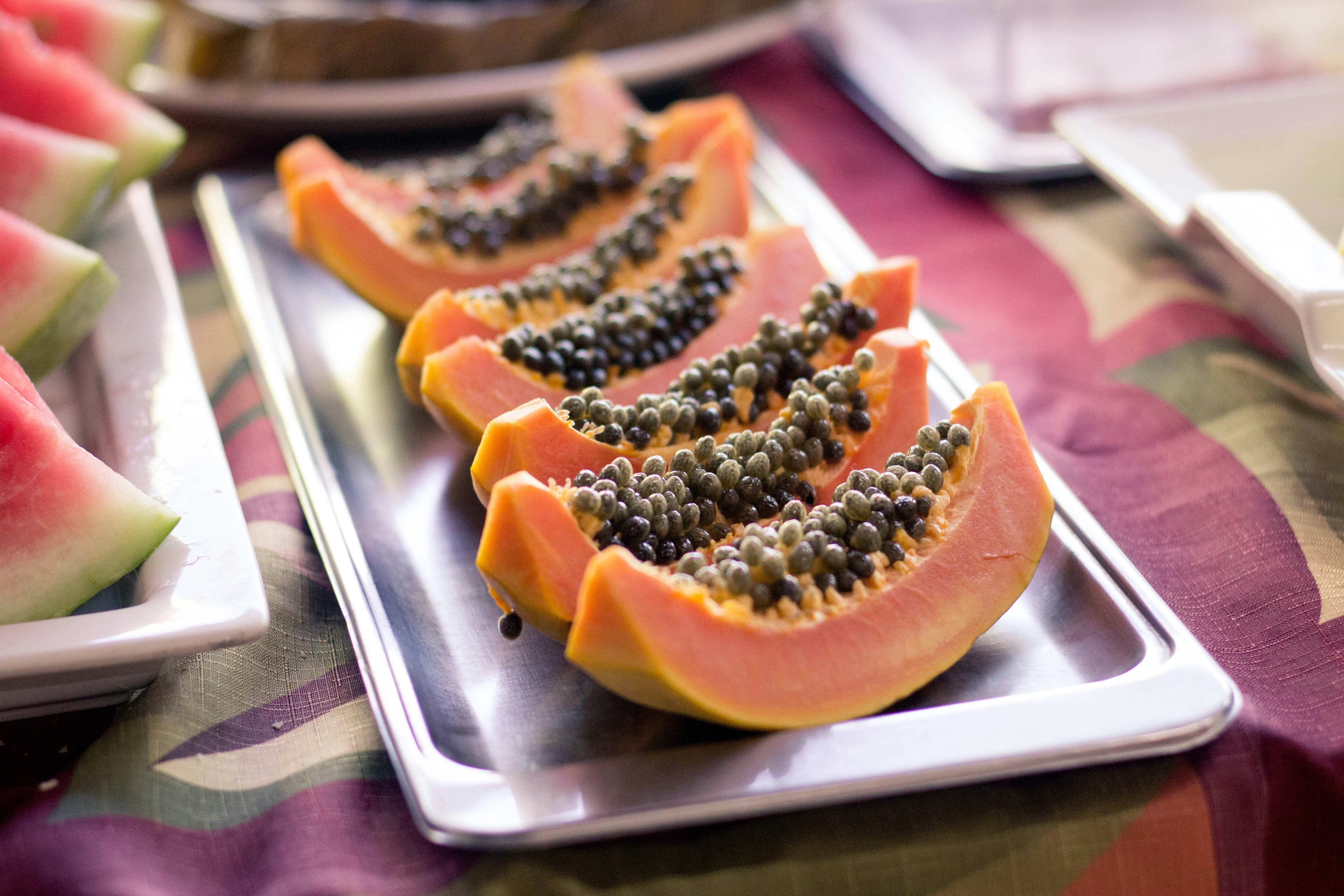
Safety Concerns With Papaya During Early Pregnancy
The benefits of papaya in pregnancy first trimester must be weighed against safety concerns. Raw or unripe papaya contains latex. The source content links this latex with uterine contractions and miscarriage risk, so avoiding unripe and raw papaya is a cautious choice.
| Type of papaya | Practical approach |
|---|---|
| Ripe papaya | Use only if your prenatal provider agrees and the fruit is clean and fresh. |
| Green or unripe papaya | Avoid during pregnancy because it contains latex. |
| Raw papaya dishes | Skip them unless your clinician specifically advises otherwise. |
| Papaya juice | Choose a safe, fresh option and avoid relying on juice as your main fruit source. |
Allergy And Personal Medical Advice
Some people may react to papaya, although allergic reactions are uncommon. Stop eating it and seek medical advice if you develop swelling, hives, itching, breathing trouble, or other sudden symptoms.
You should also ask your provider before eating papaya if you have pregnancy complications, food allergies, digestive conditions, or dietary restrictions. Individual guidance is more reliable than a general serving suggestion.
Ways To Enjoy Ripe Papaya
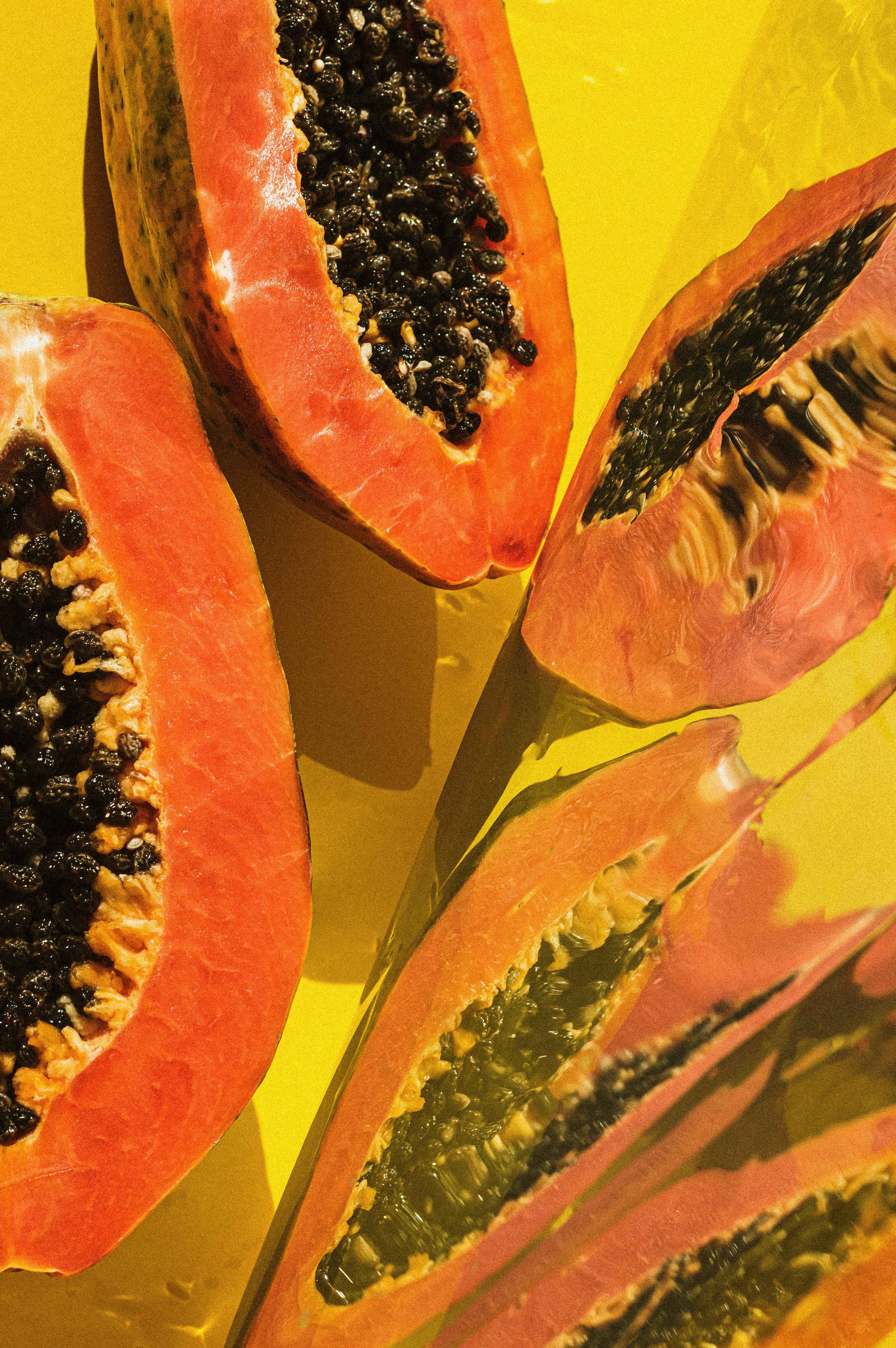
The benefits of papaya in pregnancy first trimester are easiest to add through simple meals. Wash the fruit, remove the skin and seeds, and choose ripe flesh. Keep preparation clean, especially when nausea or food sensitivity affects your routine.
- Smoothie: Blend ripe papaya with yogurt, banana, and a small splash of orange juice.
- Salad: Add diced papaya to spinach, nuts, and a light vinaigrette.
- Parfait: Layer papaya with yogurt and granola for a quick snack.
- Juice: Enjoy fresh papaya juice occasionally, while still choosing whole fruit for fiber.
These options also make it easier to combine papaya with protein, whole grains, or other produce. Consequently, your snack becomes more balanced and may feel more satisfying.
Serving Size And Meal Balance
The benefits of papaya in pregnancy first trimester do not require large portions. About one cup of diced ripe papaya a few times each week is presented as a reasonable amount. Your provider may suggest a different amount for your needs.
- Include several kinds of fruit rather than relying on one.
- Pair fruit with other vegetables and nutrient-rich foods.
- Use whole papaya more often than sweetened or strained drinks.
- Follow your prenatal vitamin plan and medical advice.
A varied diet gives you a wider mix of nutrients. Therefore, papaya can be one useful food among many, not the only focus of your pregnancy meal plan.
Frequently Asked Questions
Is Papaya Beneficial During The First Trimester?
Ripe papaya may provide vitamin C, vitamin A, B vitamins, potassium, magnesium, fiber, water, and antioxidants. However, your healthcare provider should confirm whether it fits your pregnancy and medical history.
Can You Eat Green Papaya In Early Pregnancy?
It is best to avoid green or unripe papaya during pregnancy. It contains latex, which may stimulate uterine contractions. Ask your prenatal provider if you have already eaten it or feel concerned.
How Much Ripe Papaya Can You Eat?
About one cup of diced ripe papaya a few times per week is a general suggestion in the source material. Still, serving needs can vary, particularly with allergies, diabetes, or pregnancy complications.
Can Papaya Help With Constipation?
Its fiber may support regular bowel movements, while its water content can add to hydration. Drink enough water and contact your clinician if constipation becomes severe or continues.
Should Papaya Replace A Prenatal Vitamin?
No. Papaya can complement a balanced diet, but it cannot replace a prenatal vitamin or prescribed nutrients. Folate and other pregnancy needs require a complete plan from your healthcare provider.
Discover How This Simple “Meal Plan” Change My Life

Lamartine P is a health and wellness researcher focused on supplements, lifestyle, and evidence-based content. He analyzes products, studies market trends, and translates complex information into practical insights to help readers make informed decisions.