


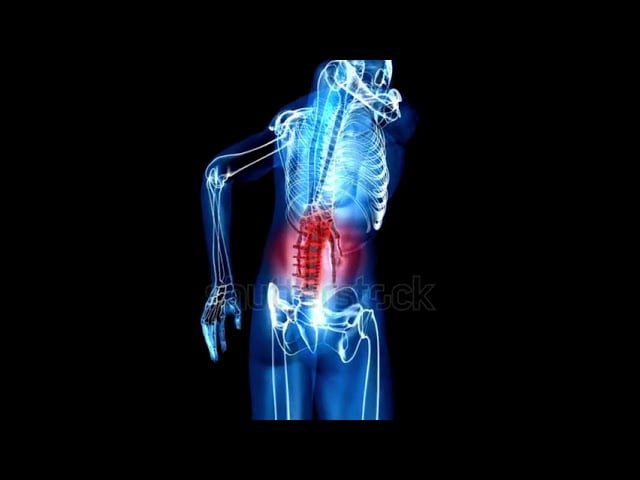
Back pain can affect your work, sleep, movement, and mood. It may follow poor posture, an injury, heavy lifting, or muscle strain. If you are asking, “back pain what to do,” start with gentle care and seek professional advice to find the cause and choose a safe plan.
Short periods of rest, heat or ice, gentle movement, and suitable over-the-counter medicine may ease symptoms. However, severe, lasting, or unusual pain needs medical review. Early care can help reduce the chance of ongoing problems and support long-term health benefits.
Back Pain What To Do First
Back pain what to do first depends on its cause and severity. Avoid movements that clearly worsen the pain, but do not stay in bed for long periods. Short rests and gentle activity can help you maintain mobility.
- Pause heavy lifting and twisting.
- Change position often instead of sitting for hours.
- Use supportive furniture during work and rest.
- Return to normal tasks slowly as symptoms settle.
Use Heat Or Cold Carefully
Ice may numb sharp pain and help reduce swelling, especially soon after a strain. Wrap an ice pack in cloth and apply it for 15 to 20 minutes. Heat from a warm bath or heating pad may relax tight muscles and improve comfort.
Some people prefer alternating heat and ice. Protect your skin, follow short sessions, and stop if either method makes symptoms worse.
Consider Short-Term Pain Relief
Nonsteroidal anti-inflammatory drugs, called NSAIDs, include ibuprofen and naproxen. They may reduce pain and inflammation. Acetaminophen offers another option for some people who cannot use NSAIDs.
Always follow the package directions. Ask a health professional before taking these medicines if you use other drugs or have health concerns. Ongoing pain needs assessment rather than repeated self-treatment.
What Causes Back Pain?
Back pain what to do becomes clearer when you understand the structures involved. The spine contains 33 vertebrae arranged in the cervical, thoracic, lumbar, sacral, and coccygeal regions. Discs between many vertebrae cushion movement.
Muscles, ligaments, and tendons support the spine. Therefore, strain or damage in any of these tissues can affect movement and comfort.
| Possible cause | How it may affect you |
|---|---|
| Muscle or ligament strain | May follow heavy lifting or an awkward movement. |
| Herniated disc | A damaged disc may press on a nearby nerve. |
| Osteoarthritis | Joint wear may cause stiffness and discomfort. |
| Scoliosis | An unusual spinal curve may affect posture and comfort. |
| Osteoporosis | Weak bones may become more likely to fracture. |
Poor posture, excess weight, and low activity can add stress to the back. However, only a qualified clinician can identify the cause in an individual case.
Symptoms That Need Prompt Care
Back pain what to do also depends on the symptoms you notice. Acute pain begins suddenly and often lasts less than six weeks. Chronic pain continues for more than three months.
- Nerve pain: Tingling or numbness may suggest nerve pressure.
- Radicular pain: Pain may travel from the back into an arm or leg.
- Persistent pain: Symptoms may not improve with rest or home care.
Seek urgent medical help for numbness in the legs or groin, loss of bladder or bowel control, or unexplained weight loss. These signs can indicate a serious problem. Loss of bladder or bowel control requires immediate attention.
Timely intervention can prevent complications and improve outcomes. Do not delay care when pain follows a major injury or becomes severe.
Exercises And Professional Treatment
Back pain what to do may include gentle stretching, core work, and guidance from a trained professional. Stop any exercise that increases pain, numbness, or weakness.
Gentle Movement At Home
Easy stretches, such as cat-cow or knee-to-chest movements, may reduce tightness. Pelvic tilts and planks can build core strength, which supports the spine. Begin slowly and use professional guidance when possible.
Physical therapy creates a plan based on your needs. It may include stretching, strengthening, aerobic activity, posture training, heat, ice, or electrical stimulation. Consistent practice often matters as much as the individual exercise.
Other Clinical Options
- Chiropractic care: Spinal adjustments may improve movement for some people.
- Prescription medicine: Muscle relaxants or opioids may be used briefly in selected cases.
- Injections: Corticosteroids or nerve blocks may target pain in a specific area.
- Surgery: Procedures such as discectomy or spinal fusion may help certain structural problems.
Injections and surgery require a careful risk discussion. Surgery usually follows other treatments when severe or lasting symptoms relate to problems such as a herniated disc or spinal stenosis. Ask about side effects and risks before starting any treatment.
Daily Prevention And Back Support
Back pain what to do for lasting relief includes posture, activity, weight management, and stress care. Small changes at home or work can lower strain and support safer movement.
| Daily focus | Helpful action |
|---|---|
| Work setup | Keep the screen near eye level and support the lower back. |
| Lifting | Keep loads close, use your legs, and avoid twisting. |
| Activity | Try walking, swimming, biking, stretching, or suitable core work. |
| Weight goals | Pair balanced meals with regular movement. |
| Stress | Use breathing, meditation, hobbies, or relaxation time. |
Low-impact exercise can improve strength and flexibility without placing heavy stress on the back. A balanced diet with fruits, vegetables, whole grains, and lean protein can support overall health. Anti-inflammatory foods may also fit a healthy eating pattern.
Stress can increase muscle tension and make pain feel harder to manage. Therefore, regular movement and calming practices may support both physical comfort and mood. Lowering stress levels can be part of a wider wellness plan.
Managing Long-Term Back Pain
Back pain what to do when symptoms last often requires more than one approach. Walking, swimming, yoga, ergonomic changes, and healthy eating may support daily function. A clinician can help set realistic goals.
Emotional support also matters. Family, friends, and support groups can provide practical help. Cognitive behavioral therapy, or CBT, may help you develop healthier responses to ongoing pain.
Some people also use acupuncture, massage, or chiropractic care. These options may ease muscle tension or improve comfort, but discuss them with a qualified professional. Physical therapy can keep the plan focused on safe movement.
Frequently Asked Questions
What Should You Do For Back Pain At Home?
Take brief rests, avoid painful lifting, and try gentle movement. Heat or ice for 15 to 20 minutes may help. Follow medicine labels, and contact a health professional if symptoms persist or worsen.
Is Ice Or Heat Better For Back Pain?
Ice may help sharp pain and swelling, while heat may relax tight muscles. Use a cloth barrier and short sessions. Either option should stop if it irritates your skin or increases discomfort.
When Is Back Pain An Emergency?
Get urgent care for loss of bladder or bowel control, numbness in the groin, severe weakness, unexplained weight loss, or serious pain after an injury.
Can Exercise Help Back Pain?
Gentle stretching, walking, swimming, biking, and suitable strengthening work may improve mobility. Start gradually. A physical therapist can tailor exercises to your symptoms and ability.
How Can You Prevent Back Pain From Returning?
Use good posture, adjust your workspace, lift with your legs, stay active, manage weight, and reduce stress. Professional guidance can help when pain keeps returning.
Managing back pain combines short-term comfort with long-term care. Use safe home measures, stay gently active, and seek personalized medical advice for severe, persistent, or unusual symptoms. These steps can support better movement and quality of life.
Back pain care works best when your plan matches the cause, your symptoms, and your daily needs.

Lamartine P is a health and wellness researcher focused on supplements, lifestyle, and evidence-based content. He analyzes products, studies market trends, and translates complex information into practical insights to help readers make informed decisions.