

Learning how to lose stomach fat can support more than a smaller waist. Excess abdominal fat may raise health risks linked with heart disease, type 2 diabetes, and other concerns. A balanced diet, regular movement, better sleep, and steady habits can also improve energy and confidence.
You cannot choose where your body loses fat first. However, reducing overall body fat can gradually reduce your waistline. The most useful plan combines healthy food, exercise, stress care, hydration, and realistic goals.
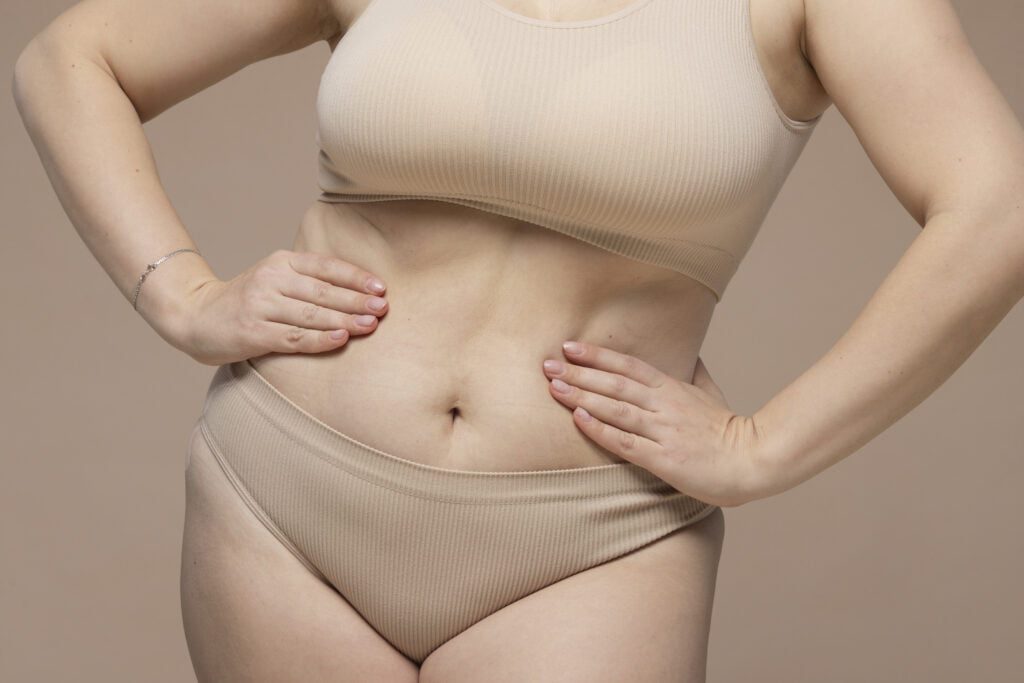
How To Lose Stomach Fat Safely
To lose stomach fat safely, focus on habits you can maintain. Extreme diets may feel quick, but they often lead to hunger, low energy, and poor long-term results. A steady approach is kinder to your body and easier to follow.
Know The Two Main Types Of Abdominal Fat
Abdominal fat, also called belly fat, develops around the middle. It includes two main types:
- Subcutaneous fat: This sits under the skin and can be pinched. It affects body shape, although it is generally less harmful than deeper abdominal fat.
- Visceral fat: This surrounds internal organs. Higher amounts are linked with a greater risk of heart disease, type 2 diabetes, and some other serious health problems. You can learn more about these risks in this health guide.
Why Your Waistline May Change Slowly
Several factors affect fat storage around the stomach. Age may reduce daily energy needs, while stress can raise cortisol, a hormone involved in the body’s stress response. Food choices, sleep, activity, and genetics also matter.
| Factor | How It May Affect Progress |
|---|---|
| High-calorie foods | Can make it easier to eat more energy than your body uses. |
| Added sugar | May increase calorie intake without providing lasting fullness. |
| Low activity | Reduces the energy your body uses during the day. |
| Stress and poor sleep | May increase cravings and make healthy routines harder. |
Build Meals That Support Fat Loss
When you want to lose stomach fat, your meals should provide fullness and useful nutrients. Protein, fiber, whole grains, vegetables, and fruit can support a balanced eating pattern without relying on severe restriction.
Choose More Protein
Protein helps maintain and build muscle. It may also help you feel full after eating. Include foods such as chicken, turkey, fish, beans, lentils, and tofu. This advice also supports a broader plan for losing belly fat.
Replace Refined Carbohydrates
Carbohydrates are not automatically unhealthy. However, white bread, many sugary snacks, and refined pasta can provide less fiber and may raise blood sugar quickly. Instead, try oats, quinoa, and brown rice for slower digestion and steadier energy.
Balanced portions matter, too. A meal with protein, vegetables, and a whole-grain carbohydrate can be more satisfying than a meal built mainly from refined snacks. Blood sugar information is also discussed in this blood sugar resource.
Add Fiber-Rich Foods
Fiber adds bulk to food and can help you feel full with fewer calories. Soluble fiber forms a gel-like texture during digestion, which may slow digestion and support steadier blood sugar.
- Fruit: Apples and berries.
- Vegetables: Broccoli and carrots.
- Legumes: Beans and peas.
These choices can support appetite control. More ideas about calorie awareness and filling food appear in this calorie and weight-loss guide.
Limit Sugary Drinks
Soda and other sweet drinks can add many calories without making you feel full. Therefore, choose water more often and keep sweet foods as occasional choices. This simple change may help lower daily calorie intake.
Use Exercise To Reduce Your Waistline
Exercise can help you lose stomach fat by increasing calorie use and supporting muscle. It cannot remove fat from one chosen area, but regular activity can reduce overall body fat and improve strength, fitness, and mood.
Start With Cardio
Cardio, or aerobic exercise, raises your heart rate for a sustained period. Walking, running, cycling, and swimming are useful options. Aim for about 30 minutes of moderate activity on most days, then adjust the pace as your fitness improves.
If 30 minutes feels difficult, begin with shorter walks. For example, three ten-minute walks can fit into a busy day. Furthermore, choosing an activity you enjoy makes consistency more likely.
Add Strength Training
Strength work helps build and preserve muscle. More muscle can support daily energy use and physical function. Try squats, lunges, push-ups, resistance bands, or weights, using a level that matches your ability.
- Begin with controlled movements.
- Use rest days when your muscles feel sore.
- Increase resistance gradually rather than rushing.
Consider Short Intervals
High-intensity interval training, known as HIIT, alternates brief hard efforts with easier recovery periods. One example uses 30 seconds of faster movement followed by one minute of walking. Repeat for 20 to 30 minutes only if your fitness allows.
People with medical conditions, injuries, or long periods of inactivity should ask a health professional before starting hard exercise.
Manage Stress, Sleep, And Hydration
To lose stomach fat and support your health, address more than food and workouts. Stress, short sleep, and dehydration can make hunger, fatigue, and low motivation more difficult to manage.
Lower Daily Stress
Long-term stress may increase cortisol and can encourage habits such as emotional eating. Deep breathing, meditation, yoga, or a quiet walk may help you relax. Even a few calm minutes can make your routine feel more manageable.
Protect Your Sleep
Most adults need around seven to nine hours of sleep each night. A regular bedtime, fewer screens before bed, and a comfortable room may improve sleep quality. Better rest can also make exercise and food choices easier the next day.
Drink Enough Water
Water supports normal body functions and may help you notice the difference between thirst and hunger. Drinking water before a meal may help some people eat less. It does not directly melt belly fat, and it is not a substitute for balanced food.
- Keep water available during the day.
- Choose water more often than sugary drinks.
- Drink according to thirst and your health needs.
Further guidance on water and weight management is available in this hydration article.
Adopt Habits You Can Keep
A sustainable plan can help you lose stomach fat without making food or exercise feel like punishment. Small changes often work better than a short burst of strict behavior.
Eat With More Awareness
Mindful eating means paying attention while you eat. Slow down, taste each bite, and notice when you feel satisfied. This practice may reduce automatic snacking and help you make choices that fit your goals.
Review Alcohol And Smoking
Alcohol can add calories and may lead to less healthy food choices. Therefore, limit intake and choose lower-calorie options when you drink. Smoking is also linked with increased abdominal fat and harms overall health. Ask your doctor about quit support, nicotine replacement, or a support group.
Alcohol and blood pressure concerns are covered in this health resource.
Choose Movement You Enjoy
You do not need an expensive gym membership. A brisk walk, dancing, cycling, or another activity you enjoy can help you stay active. Enjoyment matters because a routine you repeat is more useful than a perfect plan you abandon.

Mother Of 2 Reverses Dangerous Inflammation And Loses Over 70 Pounds
Watch Now Here
Track Progress And Build Confidence
When you lose stomach fat, the scale is only one way to measure change. Notice your energy, walking ability, clothing fit, waist measurement, and confidence. These signs can help you stay encouraged when weight changes slowly.
Set A Clear Goal
Use a specific and realistic target. For example, you might walk for 30 minutes each day for one month. This type of goal is easier to measure than a vague promise to “exercise more.” More ideas appear in this goal-setting guide.
Record Useful Details
- Write down your walks or workouts.
- Measure your waist at consistent times.
- Keep a simple food record if it helps you notice patterns.
- Celebrate improved stamina, sleep, and clothing fit.
Small wins can build confidence. A new workout outfit, a relaxing day, or another healthy reward may help you continue. You can also find motivation ideas in this motivation resource.
Health Exercise Reduce Size And Gain Confidence
To lose stomach fat, improve health, reduce size, and feel more confident, begin with practical actions. A brisk walk does not require much time, and regular movement can support energy, strength, and mood.
A balanced diet and exercise may also support the management of health concerns such as obesity, diabetes, and heart disease. However, lifestyle changes do not replace medical care. Speak with a qualified professional about personal risks, medicines, or ongoing symptoms.
As your clothes fit more comfortably, you may notice confidence returning. Exercise can support muscle tone, physical function, and general well-being. A healthy lifestyle can create lasting benefits without relying on cosmetic procedures.
For additional ideas about balanced food and activity, read this healthy diet and exercise guide. You can also review information about food choices and weight management.
Frequently Asked Questions About Losing Stomach Fat
How Long Does It Take To Lose Stomach Fat?
Timing varies with food intake, activity, sleep, age, and metabolism. Some people notice changes within weeks, while others need several months. Measure progress over time instead of expecting a sudden change in one area.
Can You Lose Stomach Fat Without Exercise?
Food choices can affect body weight, but exercise supports calorie use, muscle, fitness, and health. Combining both usually creates a stronger and more sustainable plan. This diet and weight-loss resource offers related information.
Which Foods Should You Limit?
Limit sugary drinks, highly refined carbohydrates, and heavily processed foods. These choices can add calories while providing less fullness. Instead, choose protein, vegetables, fruit, legumes, and whole grains more often. See this guide to filling foods.
Can Exercises Target Belly Fat?
No exercise can remove fat only from the stomach. Cardio, strength training, and intervals can reduce overall body fat. Core exercises may strengthen abdominal muscles, but they do not guarantee fat loss in that specific area.
How Does Stress Affect Abdominal Fat?
Stress can raise cortisol and may increase cravings, overeating, and fat storage around the middle. Relaxation practice, regular sleep, movement, and support from a health professional can help you manage stress.
Can You Reduce Belly Fat After Pregnancy?
Many people can improve body composition after pregnancy with balanced food, suitable exercise, and patience. Recovery differs for everyone. Ask your doctor before starting a new routine, especially after delivery or if you had complications.
Does Drinking Water Remove Belly Fat?
Water supports hydration and may help with appetite control. However, it does not act as a magic treatment for abdominal fat. Use it alongside balanced meals, regular activity, sufficient sleep, and realistic goals.

Lamartine P is a health and wellness researcher focused on supplements, lifestyle, and evidence-based content. He analyzes products, studies market trends, and translates complex information into practical insights to help readers make informed decisions.