




Changing your eating habits can feel difficult, especially when you have grown comfortable with familiar meals. However, starting a keto diet does not require you to abandon everything you enjoy. A gradual shift may help you build better habits with less pressure.
Many people understand why they want to change, yet understanding the benefits does not always make action easy. Familiar routines feel safe. Therefore, it is natural to hesitate before changing the foods you buy, prepare, and eat each day.
Still, staying with an eating pattern that does not support your goals can become frustrating. If you have tried several diets without lasting success, a different approach may be worth considering. The key is to begin in a practical way rather than treating the change as an all-or-nothing decision.
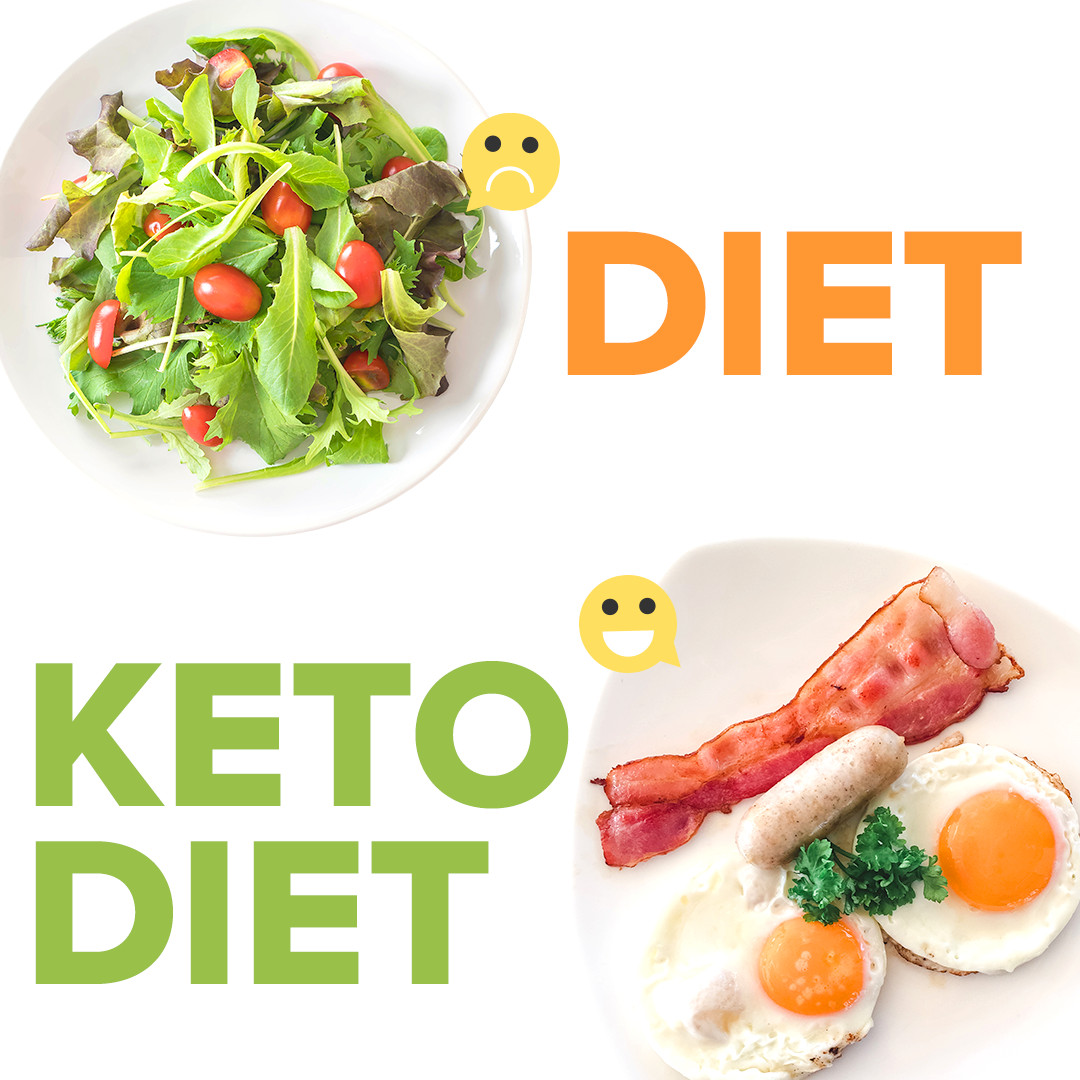
Why Starting A Keto Diet May Feel More Manageable
A keto diet may be easier to begin than you expect because some foods you already enjoy can fit into this eating pattern. Instead of replacing every meal at once, you can build on the choices that already feel familiar.
For example, pork rinds, butter, cream cheese, and avocado are mentioned as foods that may already appear in your meals. These familiar choices can give you a starting point as you add other keto-compliant foods.
This approach removes the sense that you must pass through one dramatic moment. There is no need to view the change as a severe test or a complete break from your normal routine. Instead, you can make smaller adjustments over time.
Your current meals may already contain some elements that support the transition. One person may enjoy eggs while eating many sugary or carbohydrate-rich foods. Another person may already prefer rich, fatty foods and rarely choose bread, rice, or potatoes.
As a result, the second person may find the change more familiar. However, both people can begin from their own starting points. The important idea is that your current meal plan may contain useful “seeds” for a keto diet.
Build On Familiar Foods Instead Of Starting Over
A keto diet does not have to mean rejecting every food from your former routine. A more practical strategy involves adding suitable choices instead of creating a long list of foods that you must remove immediately.
Many people struggle because they believe a new eating plan requires a completely new menu. They may feel pressured to forget their usual dishes and learn countless replacements. That mindset can make the process feel harder than it needs to be.
Instead, look at the foods you already eat and identify where you can add keto-compliant options. This method gives you something familiar to work with. Furthermore, it may help reduce the feeling that your meals have become unfamiliar or restrictive.
The goal is not to create unnecessary conflict with your eating habits. You can focus on expanding your choices while gradually reducing your dependence on foods that do not fit your intended plan.
Add First, Then Let Your Preferences Change
When you add new foods that fit your goals, your preferences may shift gradually. Foods that once seemed essential may become less important as different choices become part of your regular meals.
This process takes time for some people. Others may adjust more quickly. Neither pace makes one person better or more committed than another. Therefore, avoid judging your progress against someone else’s experience.
A slower transition can still move you toward a more consistent keto diet. The focus should remain on practical progress, not on proving how quickly you can change.
Use A Pace That Works For Your Life
Adopting a keto diet should not become a performance for other people. You are making changes for your own needs, preferences, and goals. Consequently, your timeline does not need to match a friend’s or a family member’s timeline.
Some people may change their taste preferences in a short period. Others may need more time before their new choices feel natural. Both experiences can be valid, provided you continue making thoughtful decisions that suit your situation.
Pressure can make any lifestyle change more stressful. Rather than demanding perfection, focus on the next useful choice. You might add a familiar keto-compliant food to one meal, then build from there.
Small actions can make the process feel more realistic. In addition, they allow you to notice which foods you genuinely enjoy. That information can help you create a meal pattern that feels easier to maintain.
Keep The Transition Personal And Practical
Your eating plan should reflect your starting point. If eggs already form part of your routine, they may feel like a simple place to begin. If you enjoy avocado, butter, cream cheese, or pork rinds, those foods may also feel familiar.
However, personal preference matters. A food that works well for one person may not appeal to another. Try to build around foods you can enjoy, rather than forcing yourself to follow someone else’s exact pattern.
Also, consider your health needs before making major dietary changes. If you have a medical condition, take prescription medicine, or need a special eating plan, speak with a qualified health professional before changing your diet.
Make The Keto Diet Easier To Follow
The keto diet becomes more approachable when you treat it as an adjustment rather than a sudden life event. Start with the foods that already fit your preferences, then add compatible choices as your routine develops.
- Begin with familiar foods: Notice which choices already suit the eating pattern.
- Add instead of removing everything: Expand your meals before making major cuts.
- Give your taste preferences time: Your priorities may change gradually.
- Ignore unnecessary comparisons: Your pace can differ from everyone else’s.
- Build around enjoyment: Consistency becomes easier when your meals feel satisfying.
This approach can make the transition feel less intimidating. Furthermore, it gives you room to learn what works in everyday life. You do not need to create a dramatic dividing line between your old routine and your new one.
Progress may happen quickly, or it may take longer. Either way, patience can help you avoid the frustration that comes from setting an unrealistic deadline. The aim is to create a routine you can approach with confidence.
Focus On Consistency Rather Than Perfection
A single difficult meal does not need to end your effort. Instead, return to the foods and habits that support your plan. By continuing to build on what you already know, you can make the process feel more manageable.
There is no need to impress anyone. Your choices belong to you, and your timeline can remain personal. Therefore, replace urgency with steady attention to the meals you enjoy and the changes you can maintain.
Helpful Questions About Starting A Keto Diet
Do You Have To Change Every Meal At Once?
No. The approach described here focuses on building from familiar foods. You can add keto-compliant choices to your current meals instead of changing everything in one day.
What If You Already Eat Some Keto-Compliant Foods?
Those foods may give you a useful starting point. Eggs, pork rinds, butter, cream cheese, and avocado are examples of familiar choices mentioned in this plan. You can build on the foods you already enjoy.
How Quickly Should You Transition?
There is no required timeline in this approach. Some people may adjust quickly, while others may need more time. A slower pace can still help you move toward a more consistent eating pattern.
Should You Remove All Familiar Foods Immediately?
No. Removing everything at once may make the change feel unnecessarily difficult. Adding suitable foods first can help your preferences shift gradually as your routine develops.
Where Can You Find A Keto Diet Blueprint?
For a detailed blueprint for adopting the keto diet, click here.
Build Your New Routine Around Foods You Enjoy
Starting a keto diet does not have to feel like stepping into an unfamiliar world. When you identify the foods you already enjoy and add compatible choices, the transition may feel more natural, flexible, and achievable.

Lamartine P is a health and wellness researcher focused on supplements, lifestyle, and evidence-based content. He analyzes products, studies market trends, and translates complex information into practical insights to help readers make informed decisions.