


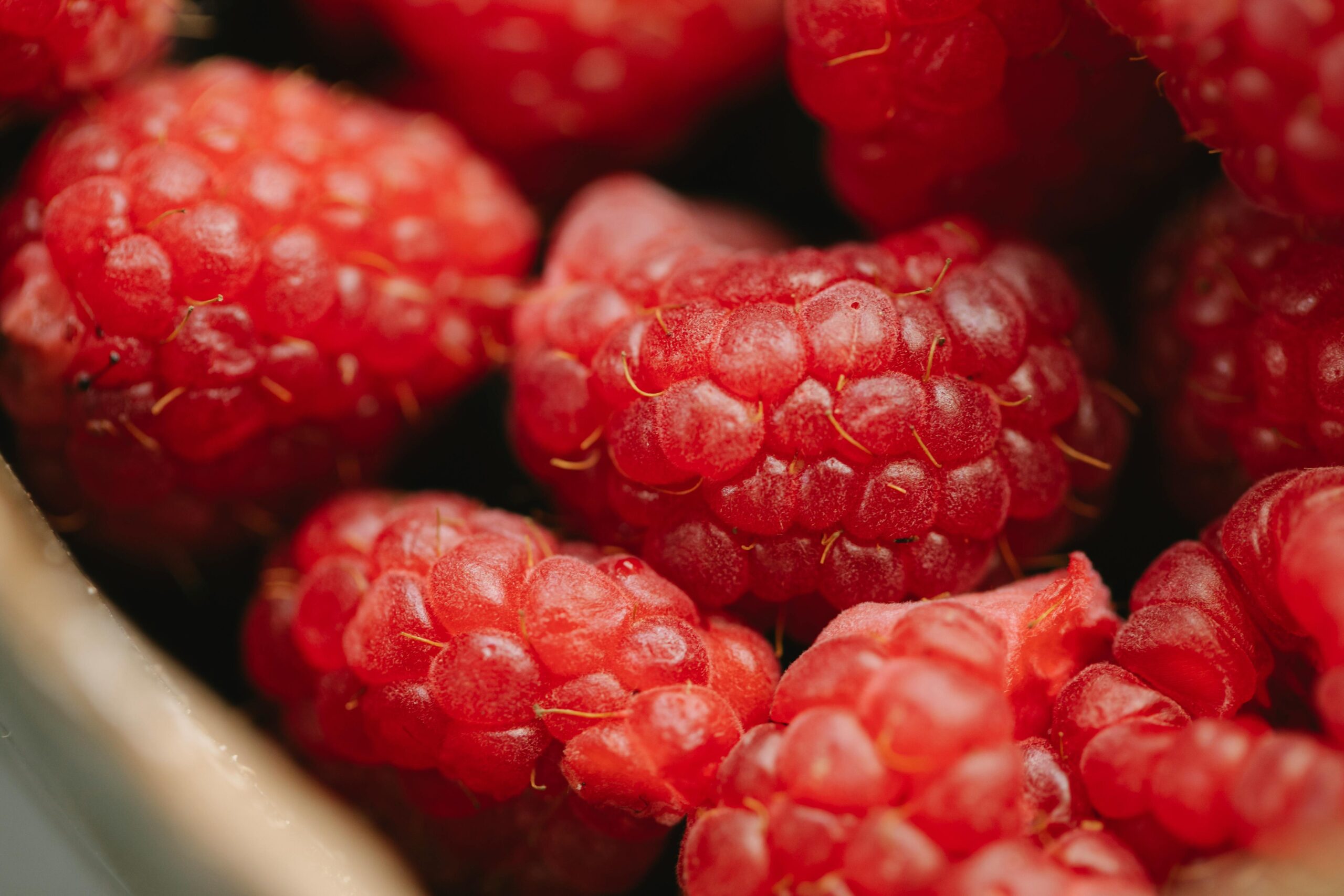
Plant-based diets center meals on foods that come from plants, such as vegetables, fruit, legumes, whole grains, nuts, and seeds. You may limit or avoid animal products, while building meals around foods that provide fiber, protein, vitamins, minerals, and healthy fats.
A well-planned approach can make eating satisfying and varied. Furthermore, research connects plant-focused eating patterns with heart health, weight management, and a lower risk of some chronic diseases. The eight foods below offer practical choices for a balanced plate.
How Plant-Based Diets Build A Balanced Plate
Plant-based diets work best when you include several food groups rather than relying on one ingredient. Therefore, combine colorful produce with a protein source, a whole grain, and a small amount of nuts or seeds.
| Food group | Examples | Main contribution |
|---|---|---|
| Vegetables and fruit | Leafy greens, berries | Vitamins, minerals, antioxidants, and fiber |
| Legumes | Beans, lentils, chickpeas | Protein and fiber |
| Whole grains | Brown rice, quinoa, oats | Complex carbohydrates and fiber |
| Nuts and seeds | Almonds, walnuts | Healthy fats, protein, and micronutrients |
Fresh foods are useful, but frozen and dried options can also make meals easier. However, packaged plant-based products deserve a label check. The World Health Organization recommends choosing options that are low in salt, saturated fat, and added sugars.
Eight Safe Foods For Plant-Based Diets
These eight choices give plant-based diets variety and useful nutrients. You can add them to salads, soups, grain bowls, breakfasts, or simple snacks without making meals complicated.
1. Leafy Greens
Spinach, kale, and Swiss chard provide important vitamins and minerals in a nutrient-dense form. Their antioxidants may support general health, while their fiber can contribute to digestive health.

- Mix spinach into a grain bowl.
- Add kale to soups or salads.
- Use Swiss chard as a cooked side dish.
2. Berries
Blueberries, strawberries, and raspberries add natural sweetness and color. They also contain antioxidants, which may help the body manage oxidative stress and inflammation.

Enjoy berries with oats, blend them into a smoothie, or use them as a snack. Their flexible preparation makes them an easy part of plant-based diets.
3. Beans And Lentils
Beans and lentils supply both protein and fiber. Fiber helps you feel full, so these legumes may support weight management when they replace less nutritious choices.
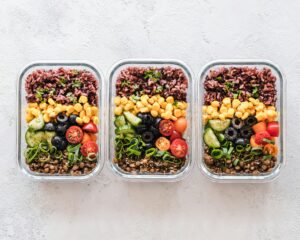
Use them in chili, soups, salads, or grain bowls. Chickpeas also provide another practical legume option. In addition, research links legume intake with a lower risk of cardiovascular disease.
4. Whole Grains
Brown rice, quinoa, and oats provide complex carbohydrates, fiber, and other nutrients. Unlike refined choices, these grains can offer steadier fuel for daily activities.
Whole grains pair well with vegetables and legumes. Furthermore, research associates them with cardiovascular support and weight control. Oats can work at breakfast, while brown rice and quinoa fit lunch or dinner.
5. Almonds And Walnuts
Almonds and walnuts provide healthy fats, protein, antioxidants, and other micronutrients. Walnuts also contain omega-3 fatty acids, which add useful variety to plant-based diets.
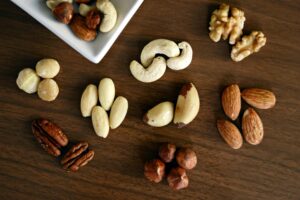
Add a small portion to oatmeal, salads, or fruit. They can also make a simple snack more filling. Because nuts are energy-dense, practical portions help keep meals balanced.
6. Turmeric
Turmeric brings color and flavor to plant-based meals. It is also known for anti-inflammatory properties and can complement vegetables, grains, soups, and legumes.

Use it as a seasoning rather than treating it as a replacement for medical care. Therefore, add turmeric to meals as one part of a broader, varied eating pattern.
7. Ginger
Ginger offers a sharp, fresh taste and may support digestion. Its anti-inflammatory properties also make it a useful addition to soups, sauces, teas, and vegetable dishes.

Fresh ginger works well grated into a meal, while ground ginger can season oats or cooked dishes. However, use it to enhance food, not to promise a treatment for a health condition.
8. Tofu, Tempeh, And Edamame
Tofu, tempeh, and edamame provide plant-based alternatives to meat. They supply protein and essential amino acids, which support muscle health as part of a balanced diet.

Try tofu in a stir-fry, tempeh in a grain bowl, or edamame in a salad. Combining these foods with vegetables and whole grains creates a satisfying meal with different textures.
Choosing Healthier Packaged Plant Foods
Plant-based diets can include packaged foods, yet the plant-based label alone does not guarantee a healthy choice. Compare labels and favor products with less salt, saturated fat, and sugar.
- Choose foods with simple, familiar ingredients when possible.
- Compare similar products before buying.
- Use packaged foods to add convenience, not to replace all whole foods.
- Build most meals around vegetables, legumes, whole grains, fruit, nuts, and seeds.
This approach supports better food quality without demanding perfection. Moreover, it makes the eating pattern easier to maintain in real life.
Potential Benefits Of Plant-Based Diets
Plant-based diets may support overall health when they include a broad range of nutrient-rich foods. Research has associated this pattern with improved heart health, weight management, and a reduced risk of chronic disease.
| Potential benefit | Food pattern that may help |
|---|---|
| Heart support | Legumes, whole grains, nuts, seeds, vegetables, and fruit |
| Weight management | Fiber-rich legumes, whole grains, vegetables, and fruit |
| Digestive support | Vegetables, fruit, legumes, and whole grains |
| Meal variety | Herbs, spices, different grains, and plant proteins |
Reducing or removing meat and dairy may also offer environmental benefits, including support for efforts that address climate change. Still, your meals should remain varied and satisfying rather than focused on restriction alone.
Plant-Based Diets Nutrition FAQ
What Is A Plant-Based Diet?
A plant-based diet emphasizes foods from plants, including fruits, vegetables, whole grains, legumes, nuts, and seeds. Some people limit animal products, while others exclude them. The central focus remains plant-derived food.
What Are The Main Benefits?
Plant-based diets may support heart health, weight management, and general wellness. They can also provide fiber, vitamins, minerals, antioxidants, protein, and healthy fats when you eat a wide selection of foods.
Which Foods Belong In This Eating Pattern?
Common choices include leafy greens, berries, beans, lentils, brown rice, quinoa, oats, almonds, walnuts, turmeric, ginger, tofu, tempeh, and edamame. Combining these foods helps create balanced meals.
How Can Plant-Based Eating Help The Planet?
Reducing or eliminating meat and dairy consumption may provide environmental benefits and contribute to efforts that address climate change. The size of the benefit can depend on the foods you choose and how often you eat them.
How Can You Choose Healthier Plant-Based Products?
Read the nutrition label and choose products that are lower in salt, saturated fat, and sugars. Also, keep whole or minimally processed foods at the center of your meals.
Sources For Plant-Based Nutrition
- Plant-Based Nutrition FAQ – PCRM
- PubMed Central – Plant-Based Diets: A Physician's Guide
- PubMed Central – The Safe and Effective Use of Plant-Based Diets
- Harvard Health Blog – What is a plant-based diet and why should you try it?
- Nutrition.org.uk – Plant-based diets
- World Health Organization – How can we tell if plant-based products are healthy?
- PubMed Central – Foods for Plant-Based Diets: Challenges and Innovations
- MDPI – The Safe and Effective Use of Plant-Based Diets
- PubMed Central – Plant-Based Nutrition for Healthcare Professionals

Lamartine P is a health and wellness researcher focused on supplements, lifestyle, and evidence-based content. He analyzes products, studies market trends, and translates complex information into practical insights to help readers make informed decisions.