

Living well for many years depends on more than genetics. Your daily food choices can support your heart, brain, digestion, energy, and healthy weight. This free ebook, 7 Heart Healthy Foods For Longevity, highlights practical foods that can fit into a balanced eating plan.
These foods are not cures, and no single ingredient guarantees a longer life. However, choosing more whole foods and fewer highly processed products may help you build a stronger foundation for long-term wellness. Your health history, medicines, and personal needs still matter, so speak with a qualified health professional before making major diet changes.

7 Heart Healthy Foods For Longevity
These heart healthy foods provide fiber, healthy fats, vitamins, minerals, antioxidants, and other nutrients linked with a balanced diet. Add them gradually and enjoy variety rather than relying on one food.
1. Blueberries
Blueberries are small, colorful fruits with fiber and plant compounds called anthocyanins. These compounds give berries their deep color and act as antioxidants, which help protect cells from oxidative stress.
They also provide useful nutrition without many calories. Their fiber may support digestion, healthy cholesterol levels, and weight management. Because blueberries are a lower-glycemic fruit, they may fit well into meals designed to support steady blood sugar.
Enjoy them fresh or frozen in oatmeal, plain yogurt, or a smoothie. Other berries can also add helpful plant compounds to your meals. A balanced diet, rather than blueberries alone, offers the broadest support for heart and brain health.
2. Avocados
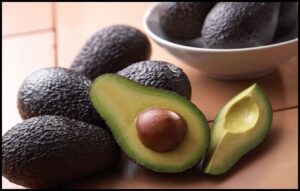
Avocados supply monounsaturated and polyunsaturated fats, along with fiber, potassium, magnesium, vitamin E, vitamin B6, and folate. These nutrients make avocado a filling choice for a heart-conscious meal plan.
Replacing some highly processed or saturated fats with avocado may support a healthier overall fat pattern. Furthermore, its potassium content can complement a diet intended to support healthy blood pressure. Avocado also works well as a spread, salad topping, dip, or substitute for some dairy ingredients.
Portion size still matters because avocados are energy-dense. A sensible serving can add flavor and satisfaction without allowing one food to crowd out vegetables, grains, or protein.
3. Walnuts, Nuts, And Seeds
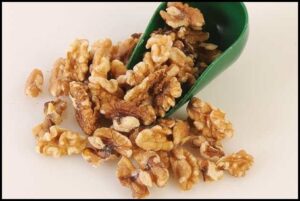
Walnuts, almonds, cashews, flaxseeds, and hemp seeds add fiber, minerals, protein, and unsaturated fats. Walnuts and some seeds also provide omega-3 fatty acids, which support normal heart and brain function.
Raw or lightly prepared nuts make a convenient snack when you need lasting fullness. You can also mix them into salads, oats, vegetables, or homemade recipes. Nut and seed butters offer another option, although portions remain important.
The source material highlights about one to three ounces daily and reports favorable findings among people who ate nuts often. However, your ideal amount depends on your calorie needs, allergies, and health goals. Choose unsalted varieties when possible.
For more meal ideas, see these heart healthy recipes.
4. Leafy Greens And Green Vegetables
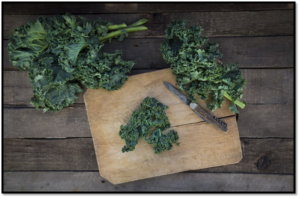
Spinach, kale, broccoli, and other green vegetables deliver fiber, vitamins, minerals, and protective plant compounds. They can support digestion and help you add volume to meals without many calories.
Leafy greens contain vitamins A, C, and K, as well as folate and minerals. Their carotenoids act as antioxidants, while their fiber supports bowel health and weight management. Therefore, adding greens to lunch and dinner can improve the overall quality of your plate.
Try them raw in salads, lightly cooked, blended into a smoothie, or added to soups. If you take blood-thinning medicine, ask your clinician how to manage vitamin K-rich foods consistently.
Information about medication-free heart health strategies is available here.
5. Dark Chocolate, Cocoa, And Cacao

Cocoa and cacao contain flavonoids, a group of plant compounds with antioxidant properties. Products with a higher cocoa content may offer more of these compounds than highly sweetened chocolate.
Dark chocolate can be an enjoyable alternative when you want a sweet treat. The source material points to varieties containing at least 70 percent cocoa. Even so, chocolate can contain substantial fat, sugar, and calories, so a modest serving works best.
Raw cacao powder or unsweetened cocoa can add flavor to oatmeal, yogurt, or smoothies. Check the label because products vary widely in their cocoa, sugar, and added fat content.
Read more about heart-beneficial foods.
6. Salmon
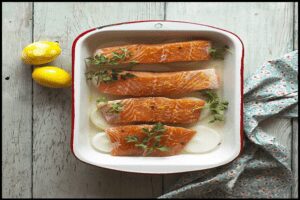
Salmon provides protein, vitamin D, potassium, and omega-3 fats. These fats may help support normal triglyceride levels and a balanced inflammatory response. They also contribute to brain and eye health.
Salmon is versatile and can be baked, grilled, or added to salads. Canned salmon offers a convenient, lower-cost option. Some canned varieties include soft bones, which provide calcium, but choose the form that suits your needs.
The source material recommends up to two servings each week. Fish choices can vary, and people who are pregnant, nursing, or feeding young children should follow current seafood guidance from a qualified health professional.
7. Apples

Apples provide fiber, vitamin C, folate, and plant compounds called polyphenols. Much of the peel’s polyphenol content includes flavonoids such as quercetin, so washing the fruit and eating it with the skin can increase its nutritional value.
Their fiber may support digestion and help you feel satisfied between meals. Apples also offer a naturally sweet option instead of highly processed snacks. Pair one with nuts or yogurt for a more filling combination.
Research discussed in the source connects apple intake with cardiovascular benefits and lower risks for some health problems. Still, apples should complement-not replace-medical treatment or a varied diet.
How To Add These Heart Healthy Foods
These heart healthy foods work best when they replace less nourishing choices. You do not need to change everything at once. Small, steady adjustments can make healthy eating easier to maintain.
| Food | Simple serving idea | Key nutrients |
|---|---|---|
| Blueberries | Add to oats or yogurt | Fiber and anthocyanins |
| Avocado | Spread on whole-grain toast | Unsaturated fat and potassium |
| Walnuts or seeds | Sprinkle over a salad | Fiber, minerals, and healthy fats |
| Leafy greens | Mix into soups or salads | Vitamins, minerals, and fiber |
| Dark chocolate | Choose a small high-cocoa portion | Flavonoids |
| Salmon | Serve with vegetables | Protein and omega-3 fats |
| Apple | Eat whole, with the peel | Fiber and polyphenols |
- Build meals around vegetables, fruit, a suitable protein, and a source of healthy fat.
- Choose whole or minimally processed foods more often than packaged products with many additives.
- Keep portions realistic, especially for nuts, avocado, and chocolate.
- Use the free ebook as a quick reminder when planning meals or snacks.
Frequently Asked Questions About Heart Healthy Foods
These heart healthy foods can support a balanced lifestyle, but they cannot guarantee longevity or treat a diagnosed condition. Use the answers below as general guidance.
Can these foods make me live longer?
No food can promise a longer life. However, a varied diet built around whole foods may support heart health and lower exposure to highly processed choices. Sleep, movement, stress care, medical checkups, and genetics also influence long-term health.
How many of these foods should I eat each day?
There is no single amount for everyone. Your age, activity, health needs, medicines, and calorie goals all matter. Start with practical additions, such as fruit at breakfast, greens at lunch, and nuts or seeds in a measured snack.
Is dark chocolate healthy?
Dark chocolate with a high cocoa content can provide flavonoids. Nevertheless, it may also contain sugar, fat, and many calories. Select a small portion and compare labels before choosing a product.
Can I use canned salmon instead of fresh salmon?
Yes. Canned salmon offers a convenient way to include salmon in meals and can provide similar key nutrients. Check the label for sodium and choose an option that fits your dietary needs.
What is the best first change to make?
Replace one highly processed snack with a whole-food option, such as an apple with walnuts or berries with plain yogurt. Then build from that habit. Consistency matters more than making a perfect change overnight.
A Practical Choice For Long-Term Wellness
Including these foods in a varied eating pattern can make meals more colorful, satisfying, and nutrient-dense. Download the free 7 Heart Healthy Foods For Longevity ebook for a simple reference, and discuss significant diet changes with your health professional.

Lamartine P is a health and wellness researcher focused on supplements, lifestyle, and evidence-based content. He analyzes products, studies market trends, and translates complex information into practical insights to help readers make informed decisions.